


A Quasi-experimental outcomes analysis of a psychoeducation intervention for pregnant women with abuse-related posttraumatic stress
- PMID: 24754455
- PMCID: PMC4318682
- DOI: 10.1111/1552-6909.12312
A Quasi-experimental outcomes analysis of a psychoeducation intervention for pregnant women with abuse-related posttraumatic stress
Abstract
Objective: To test the effectiveness of a trauma-specific, psychoeducational intervention for pregnant women with a history of childhood maltreatment on six intrapartum and postpartum psychological outcomes.
Design: Quasi-experimental study comparing women from a single-group, pretest-posttest pilot intervention study with women matched from a prospective observational study.
Setting: Rural and university-based prenatal clinics.
Participants: Pregnant women entered the study by responding to an advertisement or by referral from a maternity care provider. Women could take part whether or not they met posttraumatic stress disorder diagnostic criteria. Outcomes data exist for 17 pilot intervention study participants and 43 matched observational study participants.
Interventions: Participants in the observational study received usual care. Participants in the pilot intervention study received usual care plus the intervention, a fully manualized, self-study program supported by weekly phone tutoring sessions with a health professional.
Main outcome measures: The National Women's Study PTSD Module, the Peritraumatic Dissociation Experience Questionnaire, the Perception of Care Questionnaire, the Postpartum Depression Screening Scale, the Postpartum Bonding Questionnaire, and a semantic differential appraisal of the labor experience.
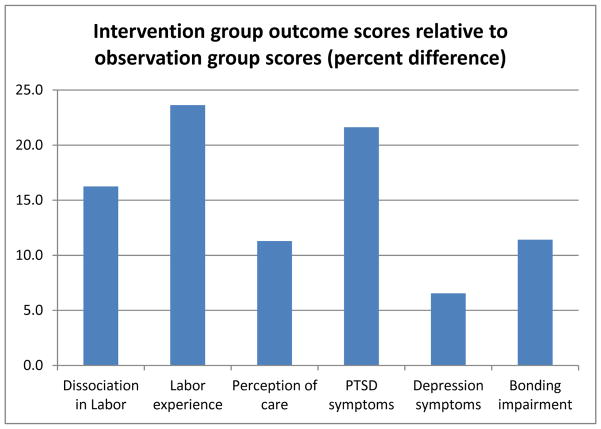
Results: Participants in the intervention study had better scores on all measures. Differences in means between participants in the intervention study and participants in the observational study equated to medium effect sized for dissociation during labor, rating of labor experience, and perception of care in labor and small effect sizes for postpartum posttraumatic stress disorder (PTSD) symptoms, postpartum depression symptoms, and motherinfant bonding.
Conclusion: This trauma-specific intervention reaches and benefits pregnant women with a history of childhood maltreatment.
Keywords: perinatal; posttraumatic stress; pregnancy; primary mental health care; psychoeducation.
© 2014 AWHONN, the Association of Women's Health, Obstetric and Neonatal Nurses.
Conflict of interest statement
The authors have no conflicts of interest to declare.
References
-
- Alcorn KL, O’Donovan A, Patrick JC, Creedy D, Devilly GJ. A prospective longitudinal study of the prevalence of post-traumatic stress disorder resulting from childbirth events. Psychological Medicine. 2010;40(11):1849–1859. - PubMed
-
- American College of Obstetricians and Gynecologists. ACOG (American College of Obstetricians and Gynecologists) educational bulletin. Adult manifestation of childhood sexual abuse. Number 259, July 2000. Clinical management guidelines for obstetrician-gynecologists. International Journal of Gynaecology and Obstetrics. 2001;74:311–320. - PubMed
-
- Arch J, Dimidjian S, Chessick C. Are exposure-based cognitive behavioral therapies safe during pregnancy? Archives of Women’s Mental Health. 2012;15:445–457. - PubMed
-
- Beck C, Gable R. Postpartum Depression Screening Scale. Los Angeles: Western Psychological Services; 2002.
Publication types
MeSH terms
Grants and funding
LinkOut - more resources
Full Text Sources
Other Literature Sources
Medical
Miscellaneous
