


NF-kappa B modulation is involved in celastrol induced human multiple myeloma cell apoptosis
- PMID: 24755677
- PMCID: PMC3995890
- DOI: 10.1371/journal.pone.0095846
NF-kappa B modulation is involved in celastrol induced human multiple myeloma cell apoptosis
Abstract
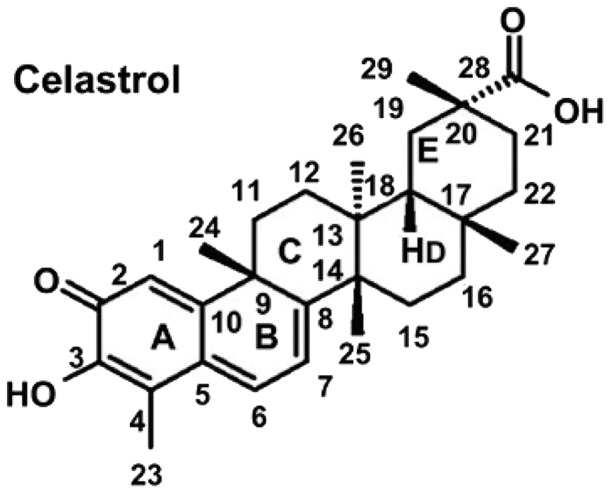
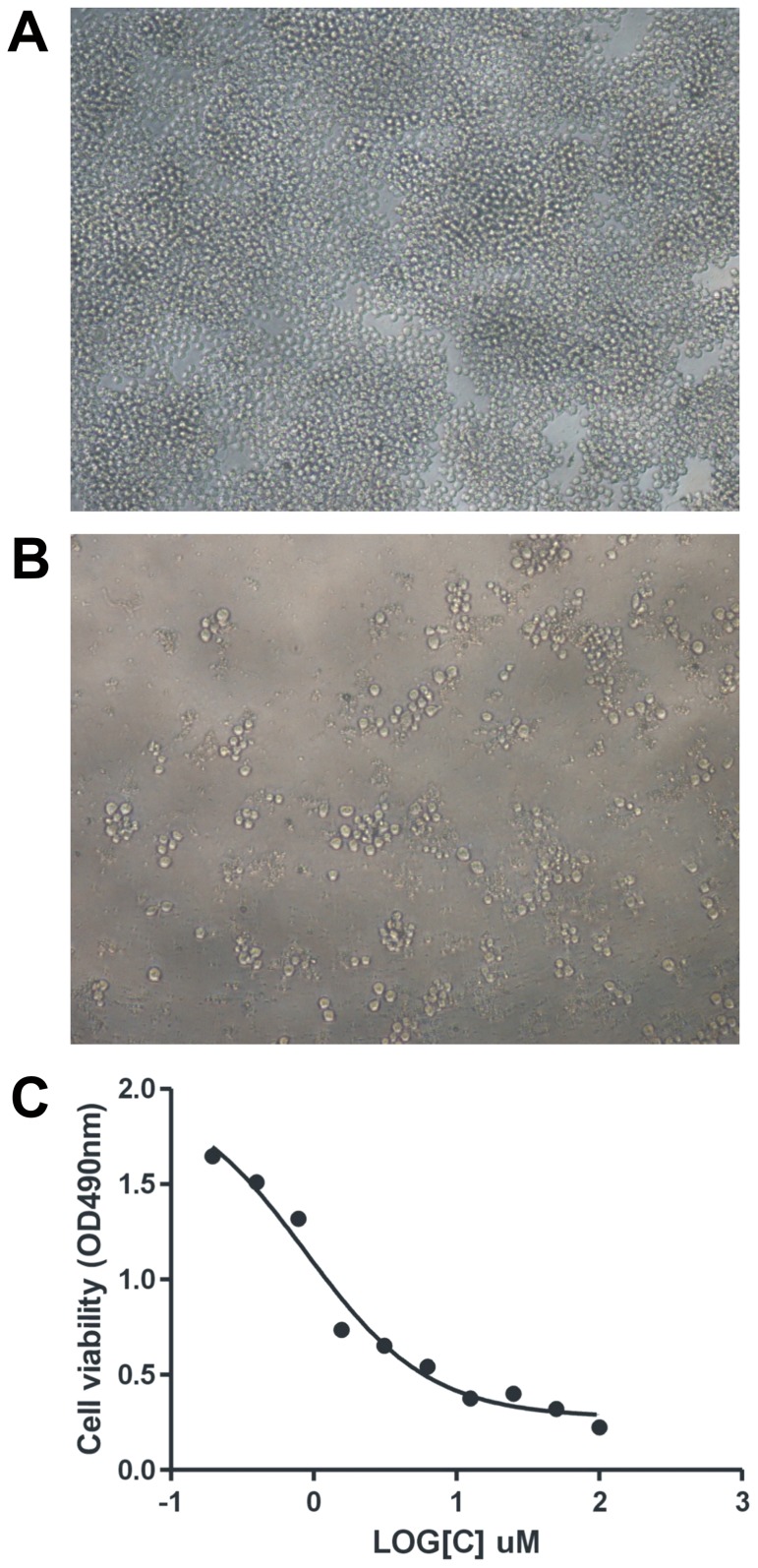
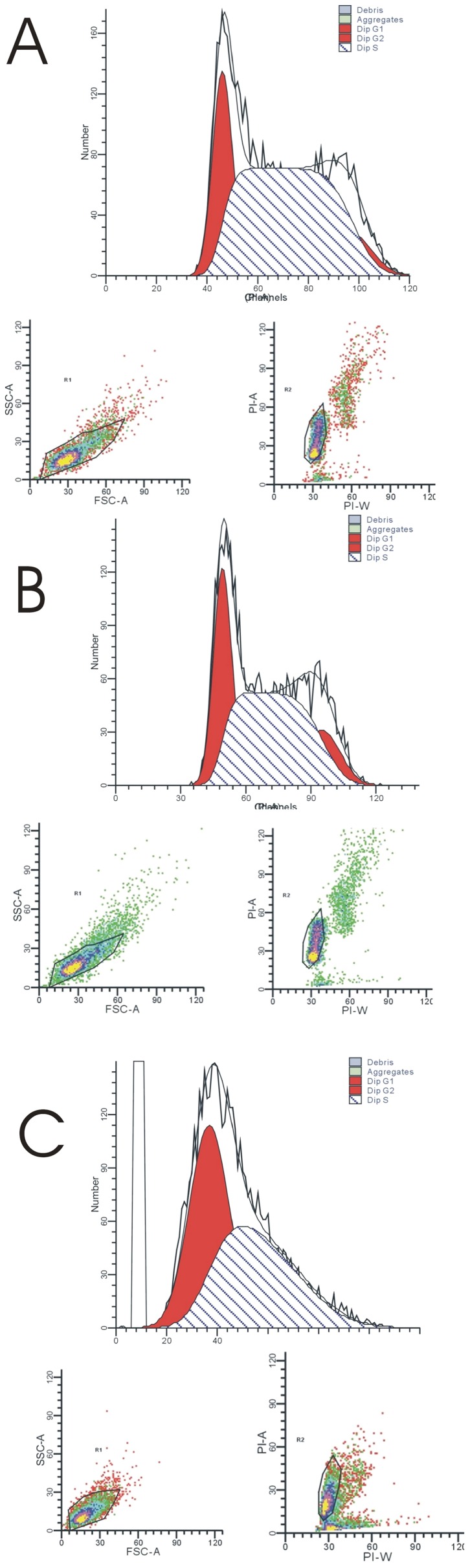
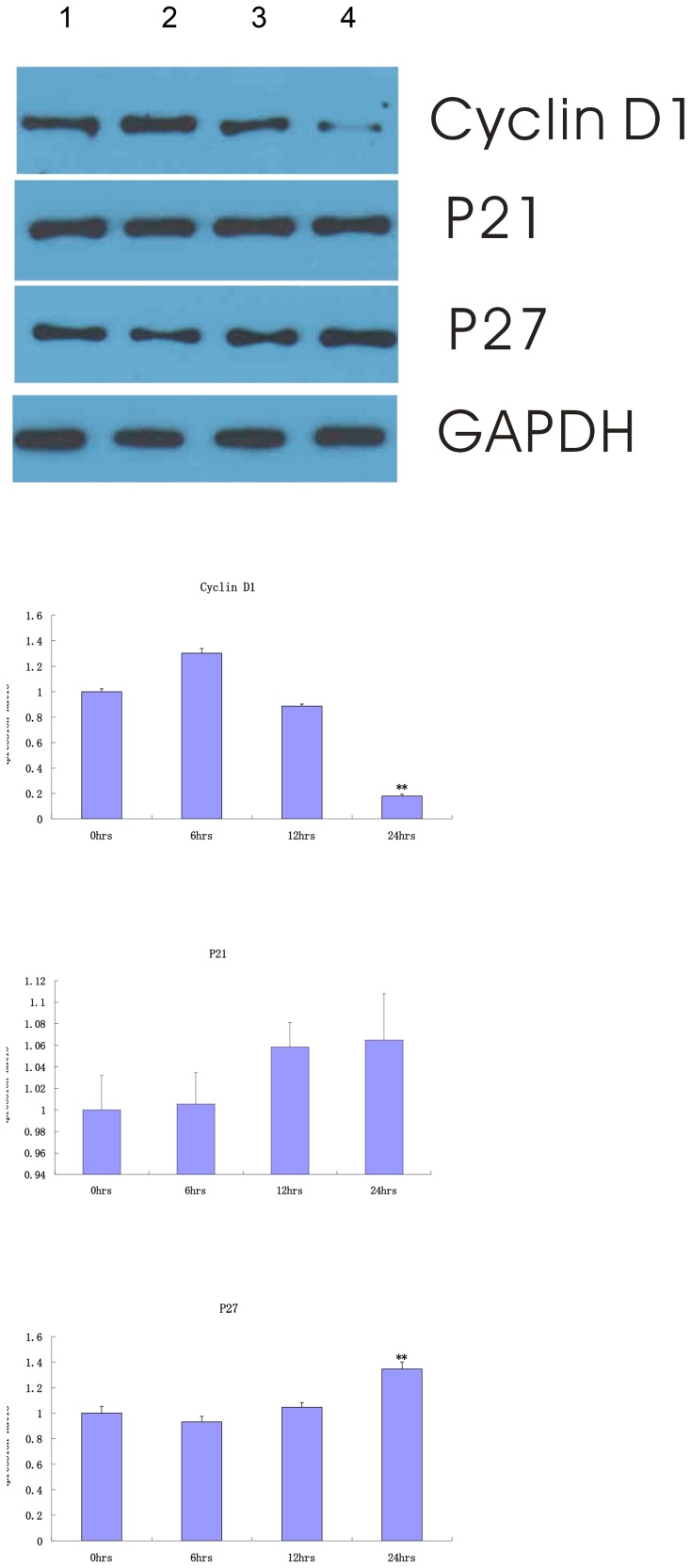
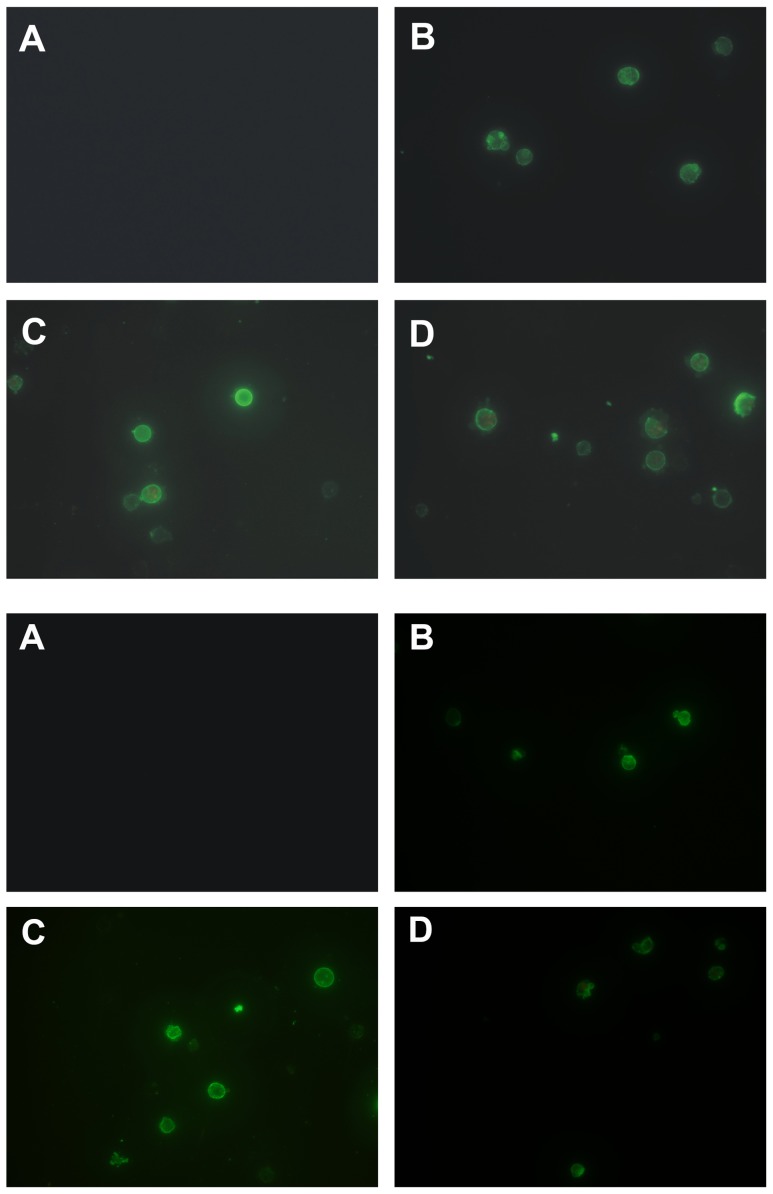
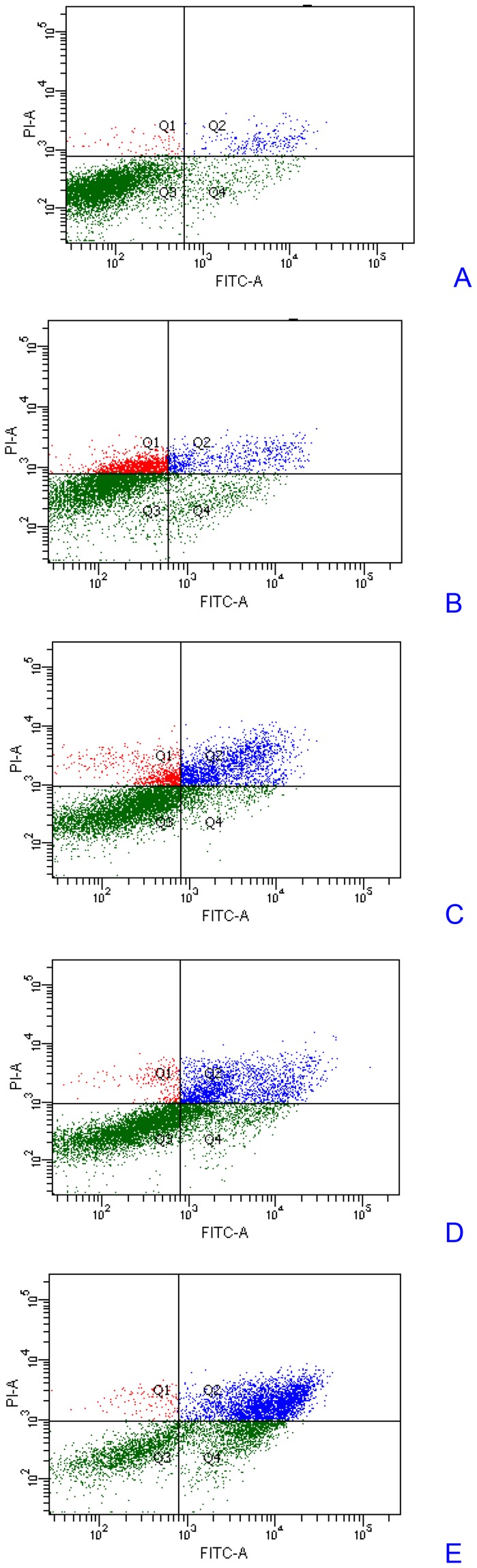
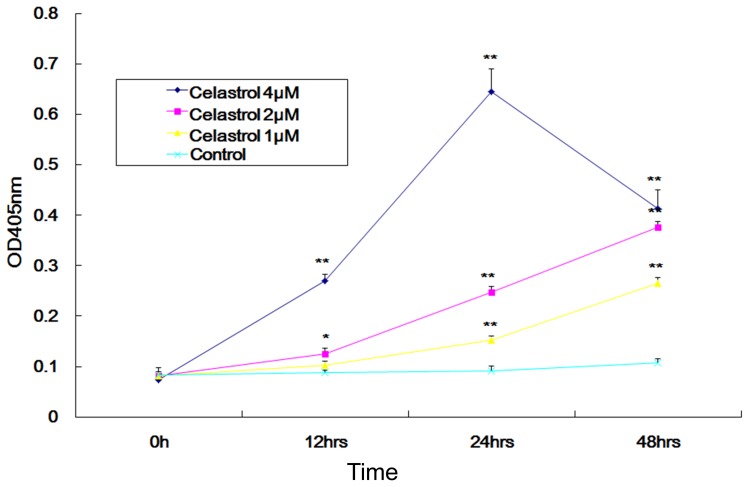
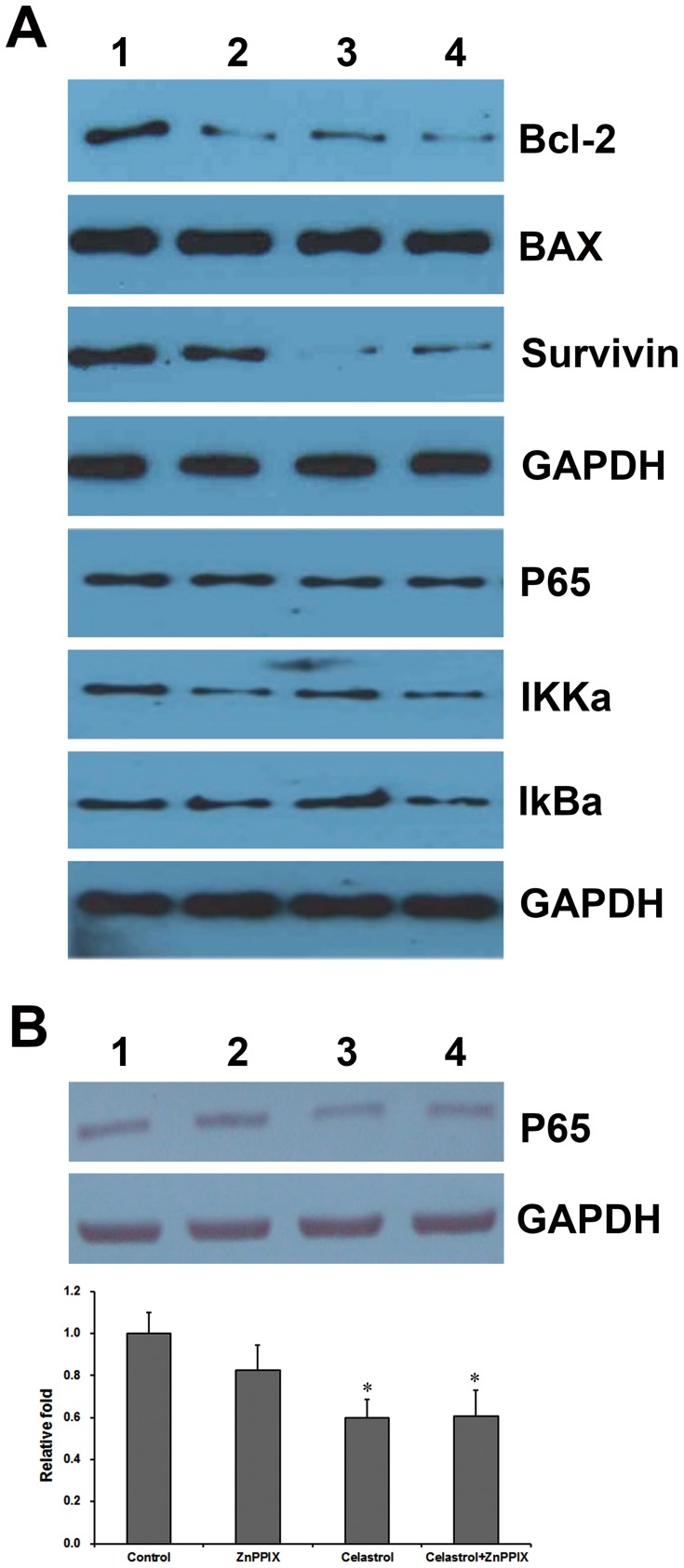
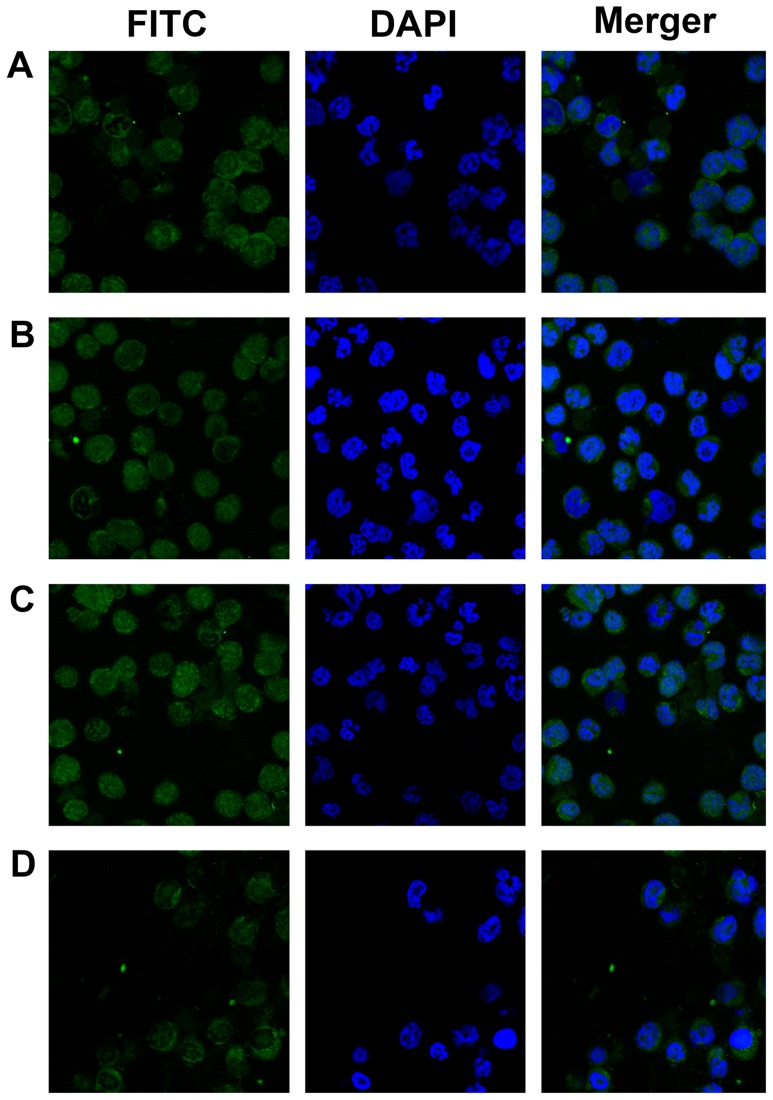
Celastrol is an active compound extracted from the root bark of the traditional Chinese medicine Tripterygium wilfordii Hook F. To investigate the effect of celastrol on human multiple myeloma cell cycle arrest and apoptosis and explore its molecular mechanism of action. The activity of celastrol on LP-1 cell proliferation was detected by WST-8 assay. The celastrol-induced cell cycle arrest was analyzed by flow cytometry after propidium iodide staining. Nuclear translocation of the nuclear factor kappa B (NF-κB) was observed by fluorescence microscope. Celastrol inhibited cell proliferation of LP-1 myeloma cell in a dose-dependent manner with IC50 values of 0.8817 µM, which was mediated through G1 cell cycle arrest and p27 induction. Celastrol induced apoptosis in LP-1 and RPMI 8226 myeloma cells in a time and dose dependent manner, and it involved Caspase-3 activation and NF-κB pathway. Celastrol down-modulated antiapoptotic proteins including Bcl-2 and survivin expression. The expression of NF-κB and IKKa were decreased after celastrol treatment. Celastrol effectively blocked the nuclear translocation of the p65 subunit and induced human multiple myeloma cell cycle arrest and apoptosis by p27 upregulation and NF-kB modulation. It has been demonstrated that the effect of celastrol on NF-kB was HO-1-independent by using zinc protoporphyrin-9 (ZnPPIX), a selective heme oxygenase inhibitor. From the results, it could be inferred that celastrol may be used as a NF-kB inhibitor to inhibit myeloma cell proliferation.
Conflict of interest statement
Figures
References
-
- Richardson PG, Mitsiades C, Schlossman R, Ghobrial I, Hideshima T, et al. (2008) Bortezomib in the front-line treatment of multiple myeloma. Expert Rev Anticancer Ther 8: 1053–1072. - PubMed
-
- Hideshima T, Chauhan D, Shima Y, Raje N, Davies FE, et al. (2000) Thalidomide and its analogs overcome drug resistance of human multiple myeloma cells to conventional therapy. Blood 96: 2943–2950. - PubMed
-
- Glasmacher A, Hahn C, Hoffmann F, Naumann R, Goldschmidt H, et al. (2006) A systematic review of phase-II trials of thalidomide monotherapy in patients with relapsed or refractory multiple myeloma. Br J Haematol 132: 584–593. - PubMed
-
- Raab MS, Podar K, Breitkreutz I, Richardson PG, Anderson KC (2009) Multiple myeloma. Lancet 374: 324–339. - PubMed
-
- Kumar S, Rajkumar SV (2006) Thalidomide and lenalidomide in the treatment of multiple myeloma. Eur J Cancer 42: 1612–1622. - PubMed
MeSH terms
Substances
LinkOut - more resources
Full Text Sources
Other Literature Sources
Medical
Research Materials
Miscellaneous
