


Crosstalk between adrenergic and toll-like receptors in human mesenchymal stem cells and keratinocytes: a recipe for impaired wound healing
- PMID: 24760207
- PMCID: PMC4039457
- DOI: 10.5966/sctm.2013-0200
Crosstalk between adrenergic and toll-like receptors in human mesenchymal stem cells and keratinocytes: a recipe for impaired wound healing
Abstract
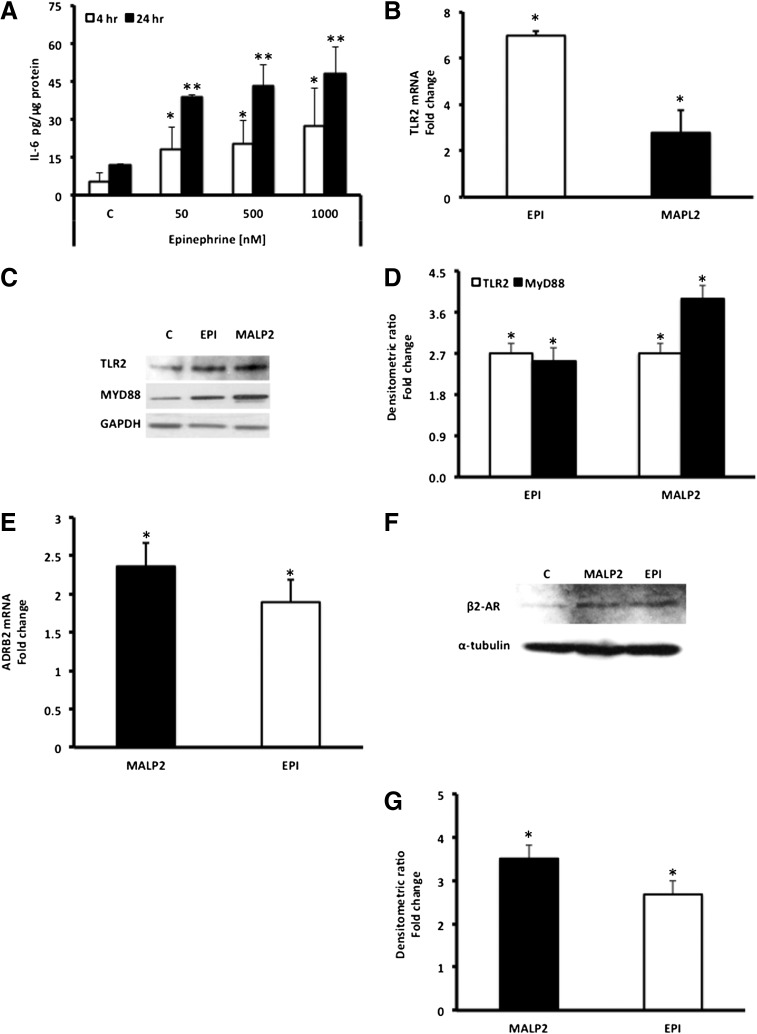
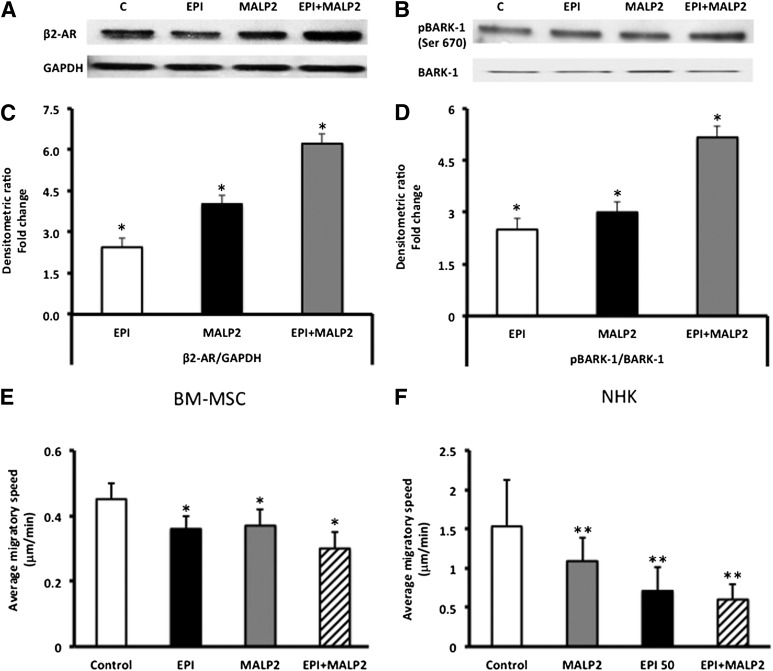
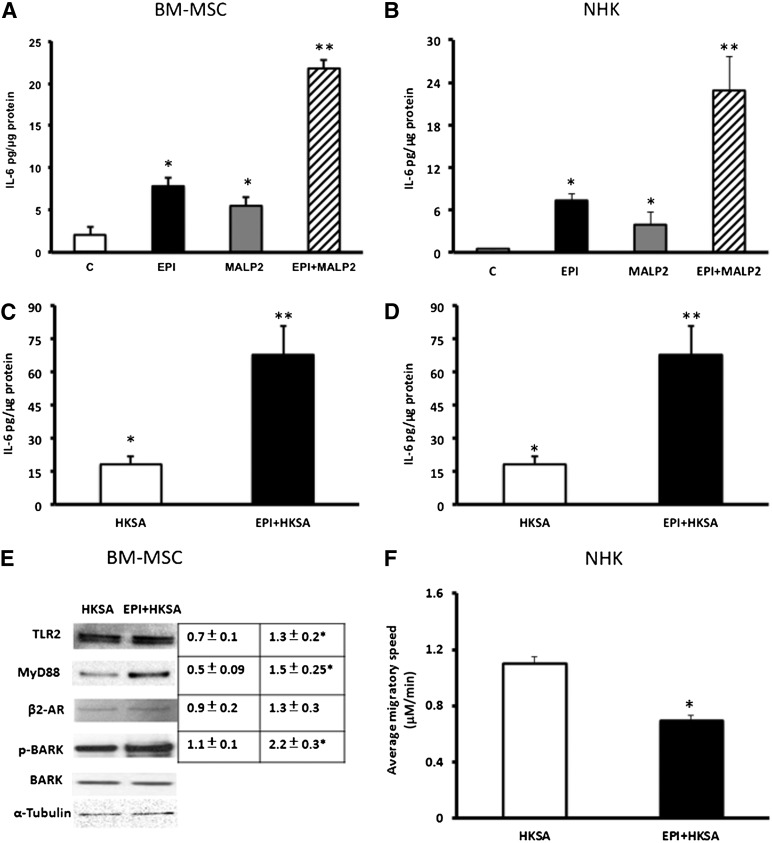
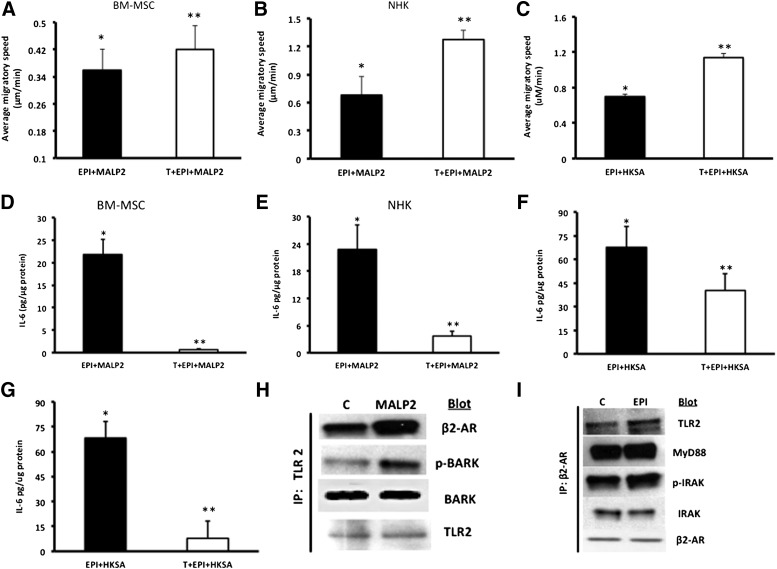
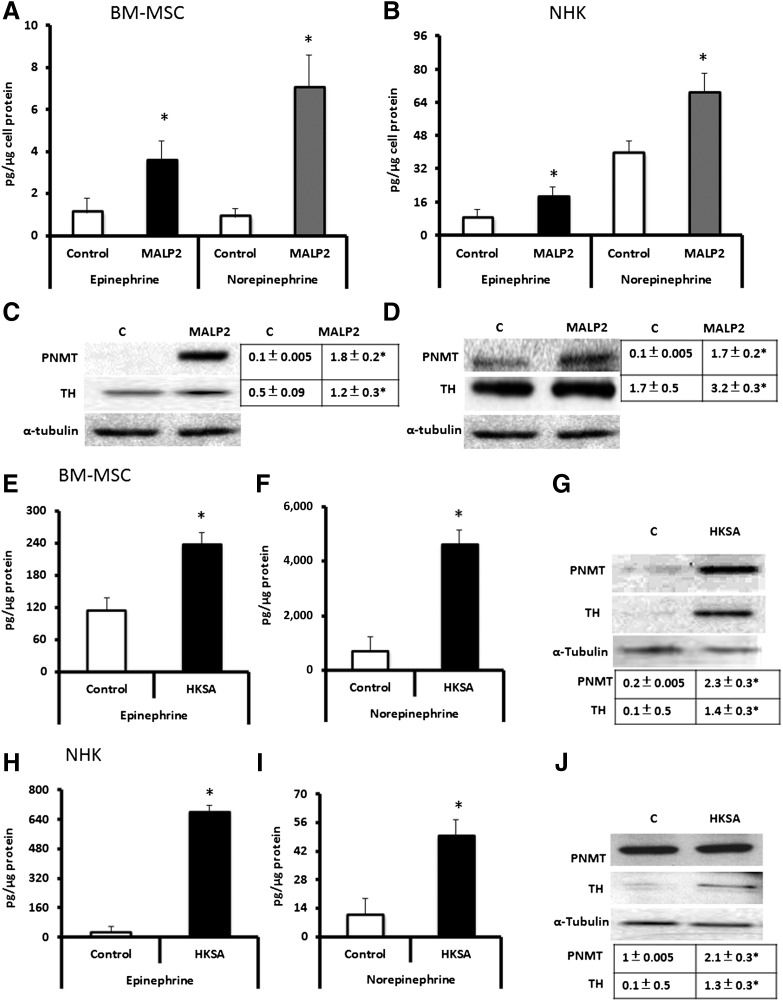
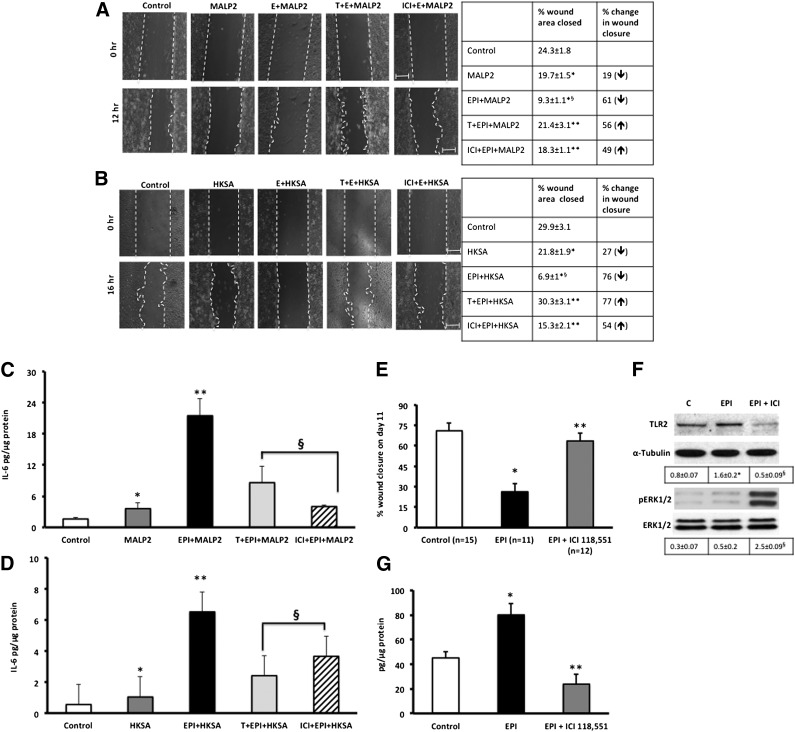
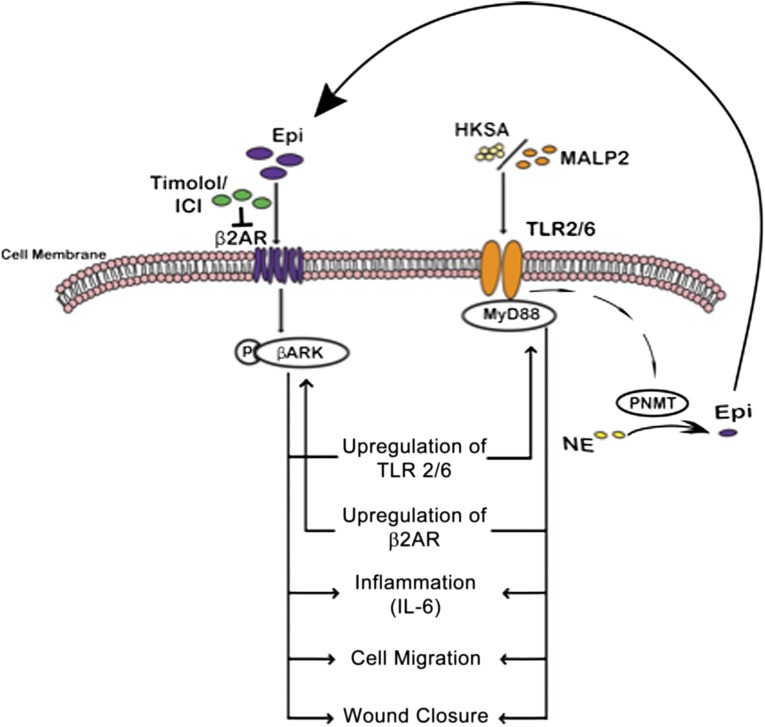
Previous studies demonstrate that skin wounds generate epinephrine (EPI) that can activate local adrenergic receptors (ARs), impairing healing. Bacterially derived activators of Toll-like receptors (TLRs) within the wound initiate inflammatory responses and can also impair healing. In this study, we examined the hypothesis that these two pathways crosstalk to one another, using EPI and macrophage-activating lipopeptide-2 (MALP2) to activate ARs and TLR2, respectively, in human bone marrow-derived mesenchymal stem cells (BM-MSCs) and neonatal keratinocytes (NHKs). BM-MSCs exposed to EPI significantly (p < .05) increased TLR2 message (sevenfold BM-MSCs), TLR2 protein (twofold), and myeloid differentiation factor 88 (MyD88) (fourfold). Conversely, activation of TLR2 by MALP2 in these cells increased β2-AR message (twofold in BM-MSCs, 2.7-fold in NHKs), β2-AR protein (2.5-fold), phosphorylation of β-AR-activated kinase (p-BARK, twofold), and induced release of EPI from both cell types (twofold). Treating cells with EPI and MALP2 together, as would be encountered in a wound, increased β2-AR and p-BARK protein expression (sixfold), impaired cell migration (BM-MSCs- 21%↓ and NHKs- 60%↓, p < .002), and resulted in a 10-fold (BM-MSCs) and 51-fold (NHKs) increase in release of IL-6 (p < .001) responses that were remarkably reduced by pretreatment with β2-AR antagonists. In vivo, EPI-stressed animals exhibited impaired healing, with elevated levels of TLR2, MyD88, and IL-6 in the wounds (p < .05) relative to nonstressed controls. Thus, our data describe a recipe for decreasing cell migration and exacerbating inflammation via novel crosstalk between the adrenergic and Toll-like receptor pathways in BM-MSCs and NHKs.
Keywords: Cell migration; Cell signaling; Mesenchymal stem cells; Stem cell-microenvironment interactions; Tissue regeneration.
©AlphaMed Press.
Figures
References
-
- Falanga V. Wound healing and its impairment in the diabetic foot. Lancet. 2005;366:1736–1743. - PubMed
-
- Brem H, Sheehan P, Boulton AJ. Protocol for treatment of diabetic foot ulcers. Am J Surg. 2004;187:1S–10S. - PubMed
-
- Davis SC, Ricotti C, Cazzaniga A, et al. Microscopic and physiologic evidence for biofilm-associated wound colonization in vivo. Wound Repair Regen. 2008;16:23–29. - PubMed
-
- Dasu MR, Isseroff RR. Toll-like receptors in wound healing: Location, accessibility, and timing. J Invest Dermatol. 2012;132:1955–1958. - PubMed
Publication types
MeSH terms
Substances
Grants and funding
LinkOut - more resources
Full Text Sources
Other Literature Sources
Research Materials
