


Environmental exposures, epigenetic changes and the risk of lupus
- PMID: 24763540
- PMCID: PMC4000546
- DOI: 10.1177/0961203313499419
Environmental exposures, epigenetic changes and the risk of lupus
Abstract
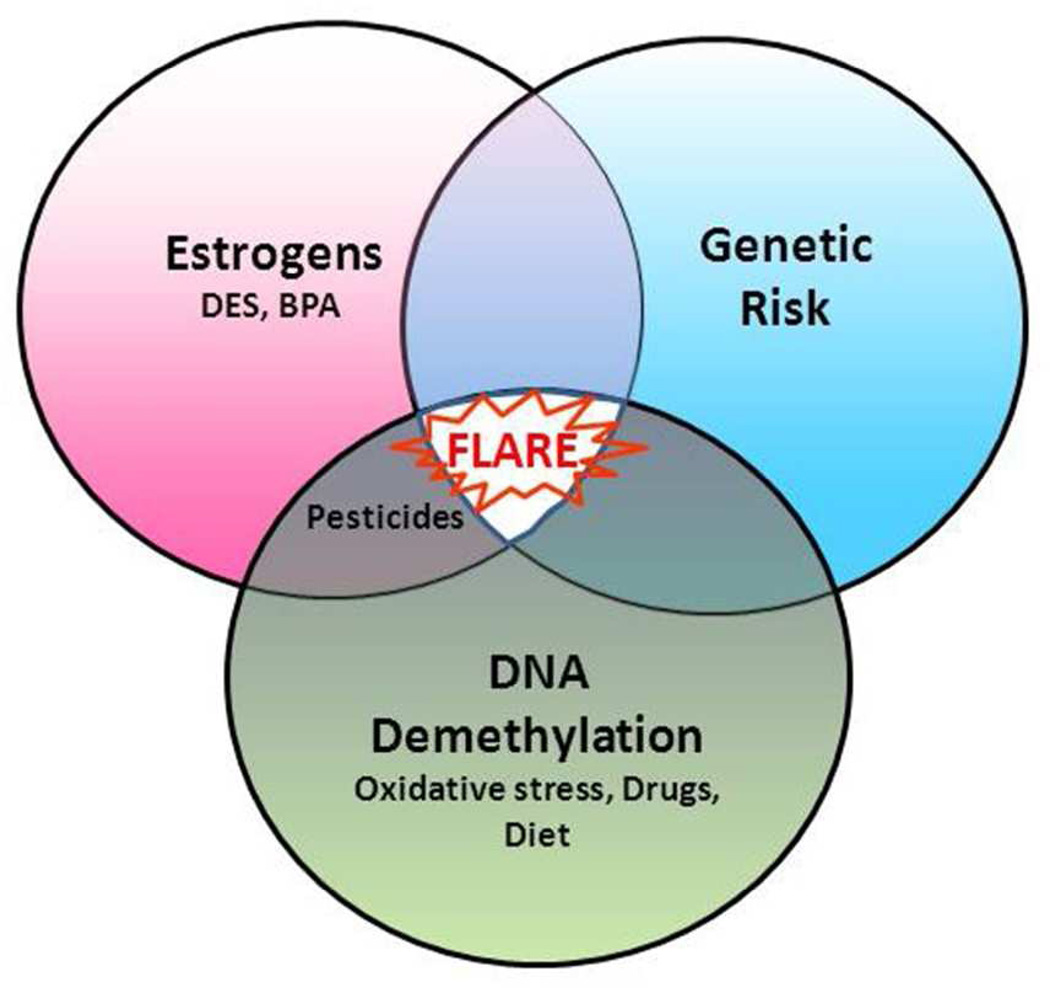
A dose-dependent combination of environmental exposures, estrogenic hormones and genetic predisposition is thought to be required for lupus to develop and flare, but how the environment modifies the immune system in genetically predisposed people is unclear. Current evidence indicates that environmental agents that inhibit DNA methylation can convert normal antigen-specific CD4+ T lymphocytes into autoreactive, cytotoxic, pro-inflammatory cells that are sufficient to cause lupus-like autoimmunity in animal models, and that the same changes in DNA methylation characterize CD4+ T cells from patients with active lupus. Environmental agents implicated in inhibiting T-cell DNA methylation include the lupus-inducing drugs procainamide and hydralazine, as well as diet, and agents causing oxidative stress, such as smoking, UV light exposure, and infections, which have been associated with lupus onset or disease activity. Other studies demonstrate that demethylated T cells cause only anti-DNA antibodies in mice lacking a genetic predisposition to lupus, but are sufficient to cause lupus-like autoimmunity in genetically predisposed mice and likely people, and that estrogens augment the disease. Collectively, these studies suggest that environmental agents that inhibit DNA methylation, together with lupus genes and estrogens or endocrine disruptors, combine in a dose-dependent fashion to cause lupus flares.
Keywords: Lupus; endocrine disruptors; environment; epigenetics; genetics; mercury; oxidative stress.
Figures
References
-
- Somers EC, Antonsen S, Pedersen L, Sorensen HT. Parental history of lupus and rheumatoid arthritis and risk in offspring in a nationwide cohort study: does sex matter? Ann Rheum Dis. 2013;72:525–529. - PubMed
-
- Lehmann P, Holzle E, Kind P, Goerz G, Plewig G. Experimental reproduction of skin lesions in lupus erythematosus by UVA and UVB radiation. J Am Acad Dermatol. 1990;22:181–187. - PubMed
-
- James JA, Harley JB, Scofield RH. Epstein-Barr virus and systemic lupus erythematosus. Curr Opin Rheumatol. 2006;18:462–467. - PubMed
Publication types
MeSH terms
Substances
Grants and funding
LinkOut - more resources
Full Text Sources
Other Literature Sources
Medical
Research Materials
