Nonclassical antigen-processing pathways are required for MHC class II-restricted direct tumor recognition by NY-ESO-1-specific CD4(+) T cells
- PMID: 24764581
- PMCID: PMC4004114
- DOI: 10.1158/2326-6066.CIR-13-0138
Nonclassical antigen-processing pathways are required for MHC class II-restricted direct tumor recognition by NY-ESO-1-specific CD4(+) T cells
Abstract
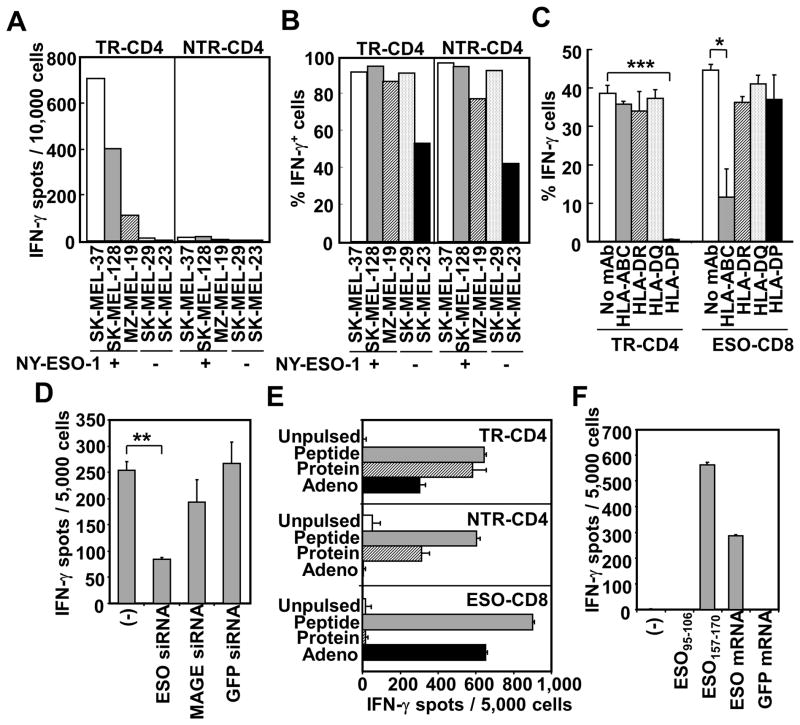
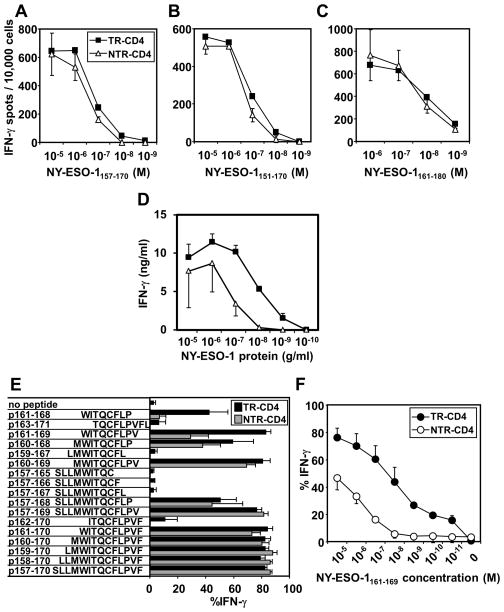
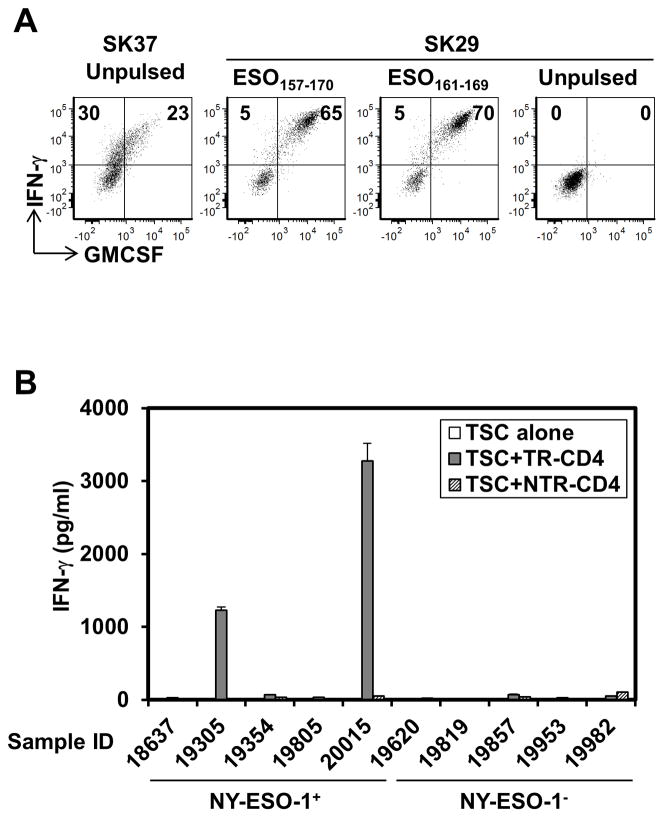
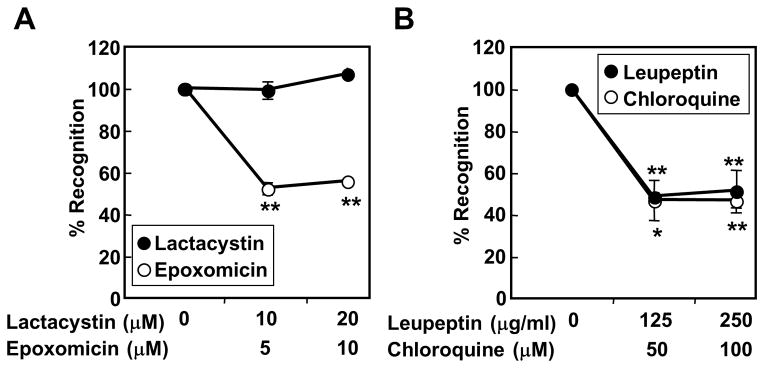
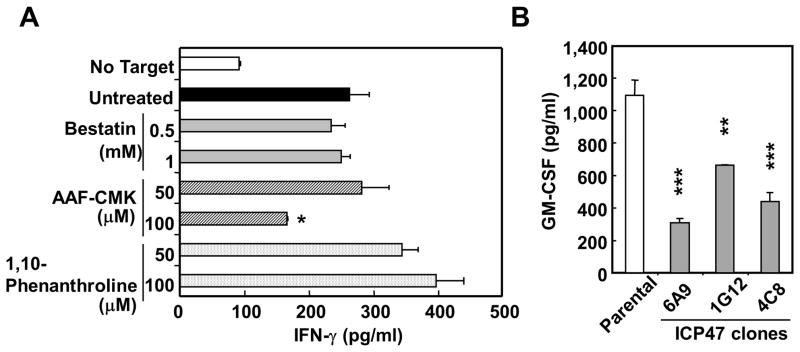
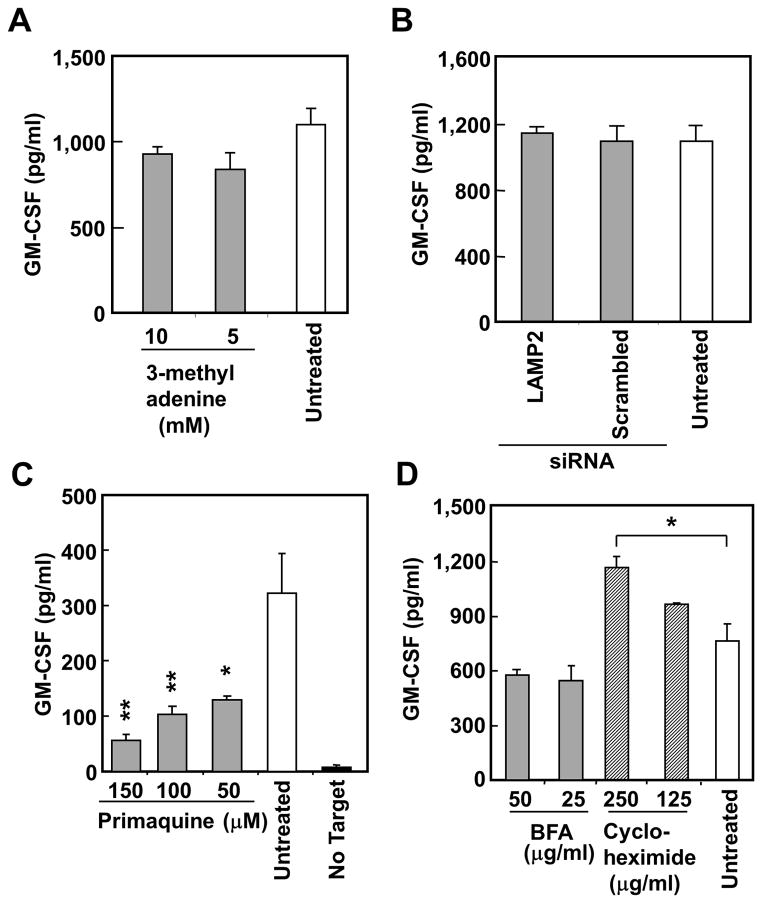
Tumor antigen-specific CD4(+) T cells that directly recognize cancer cells are important for orchestrating antitumor immune responses at the local tumor sites. However, the mechanisms of direct MHC class II (MHC-II) presentation of intracellular tumor antigen by cancer cells are poorly understood. We found that two functionally distinct subsets of CD4(+) T cells were expanded after HLA-DPB1*04 (DP04)-binding NY-ESO-1157-170 peptide vaccination in patients with ovarian cancer. Although both subsets recognized exogenous NY-ESO-1 protein pulsed on DP04(+) target cells, only one type recognized target cells with intracellular expression of NY-ESO-1. The tumor-recognizing CD4(+) T cells more efficiently recognized the short 8-9-mer peptides than the non-tumor-recognizing CD4(+) T cells. In addition to endosomal/lysosomal proteases that are typically involved in MHC-II antigen presentation, several pathways in the MHC class I presentation pathways, such as the proteasomal degradation and transporter-associated with antigen-processing-mediated peptide transport, were also involved in the presentation of intracellular NY-ESO-1 on MHC-II. The presentation was inhibited significantly by primaquine, a small molecule that inhibits endosomal recycling, consistent with findings that pharmacologic inhibition of new protein synthesis enhances antigen presentation. Together, our data demonstrate that cancer cells selectively present peptides from intracellular tumor antigens on MHC-II by multiple nonclassical antigen-processing pathways. Harnessing the direct tumor-recognizing ability of CD4(+) T cells could be a promising strategy to enhance antitumor immune responses in the immunosuppressive tumor microenvironment.
Conflict of interest statement
T. Tsuji and S. Gnjatic have ownership interest (including patents) and are coinventors on primary affiliation assigned NY-ESO-1 patents. No potential conflicts of interest were disclosed by the other authors.
The authors declare no competing financial interests.
Figures
References
-
- Bevan MJ. Helping the CD8(+) T-cell response. Nat Rev Immunol. 2004;4:595–602. - PubMed
-
- Shrikant P, Khoruts A, Mescher MF. CTLA-4 blockade reverses CD8+ T cell tolerance to tumor by a CD4+ T cell- and IL-2-dependent mechanism. Immunity. 1999;11:483–93. - PubMed
-
- Pamer E, Cresswell P. Mechanisms of MHC class I--restricted antigen processing. Annu Rev Immunol. 1998;16:323–58. - PubMed
Publication types
MeSH terms
Substances
Grants and funding
LinkOut - more resources
Full Text Sources
Other Literature Sources
Medical
Molecular Biology Databases
Research Materials
Miscellaneous