


Can oncologists predict survival for patients with progressive disease after standard chemotherapies?
- PMID: 24764697
- PMCID: PMC3997447
- DOI: 10.3747/co.21.1743
Can oncologists predict survival for patients with progressive disease after standard chemotherapies?
Abstract
Background: Prediction of prognosis is important for patients so that they can make the most of the rest of their lives. Oncologists could predict survival, but the accuracy of such predictions is unclear.
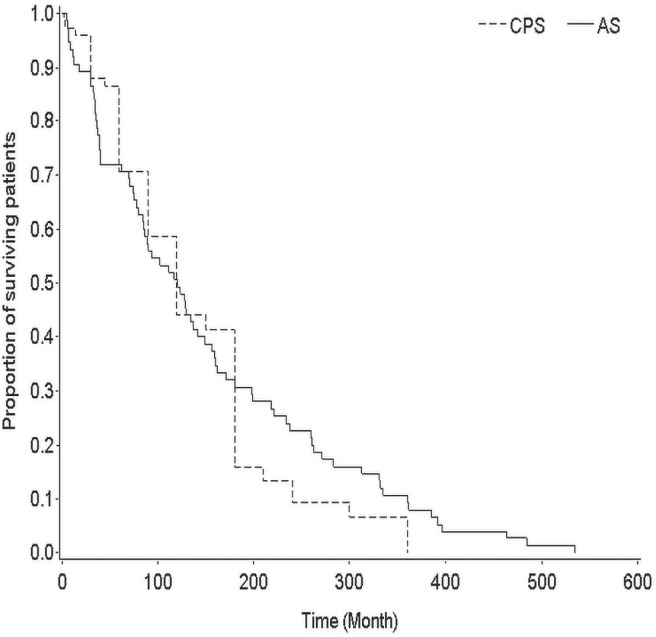
Methods: In this observational prospective cohort study, 14 oncologists treating 9 major adult solid malignancies were asked to complete questionnaires predicting survival based on performance status, oral intake, and other clinical factors when patients experienced progressive disease after standard chemotherapies. Clinically predicted survival (cps) was calculated by the oncologists from the date of progressive disease to the predicted date of death. Actual survival (as) was compared with cps using Kaplan-Meier survival curves, and factors affecting inaccurate prediction were determined by logistic regression analysis. The prediction of survival time was considered accurate when the cps/as ratio was between 0.67 and 1.33.
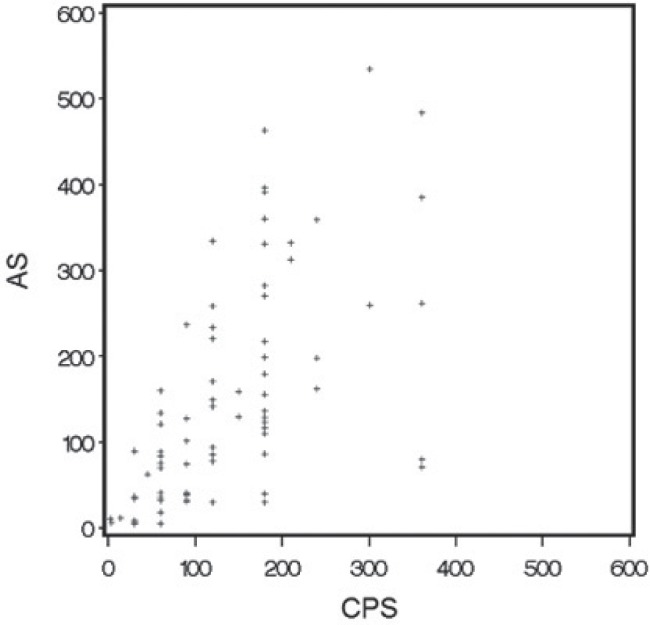
Results: The study cohort consisted of 75 patients. Median cps was 120 days (interquartile range: 60-180 days), and median as was 121 days (interquartile range: 40-234 days). The participating oncologists accurately predicted as within a 33% range 36% of the time; the survival time was overestimated 36% of time and underestimated 28% of the time. The factors affecting the accuracy of the survival estimate were the experience of the oncologist, patient age, and information given about the palliative care unit.
Conclusions: Prediction of cps was accurate for just slightly more than one third of all patients in this study. Additional investigation of putative prognostic factors with a larger sample size is warranted.
Keywords: Survival prediction; cancer patient survival; chemotherapy.
Figures
References
LinkOut - more resources
Full Text Sources
Other Literature Sources
