


The dilemma of treating vertebrobasilar dolichoectasia
- PMID: 24765483
- PMCID: PMC3981198
- DOI: 10.4081/cp.2012.e84
The dilemma of treating vertebrobasilar dolichoectasia
Abstract
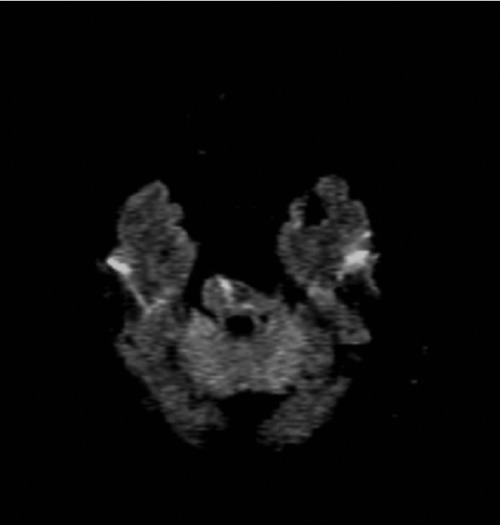
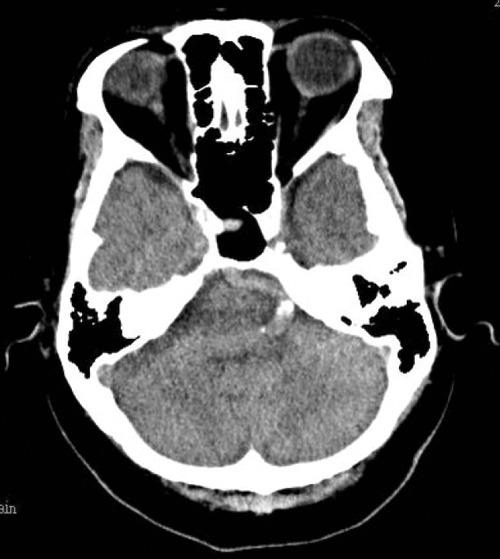
Vertebrobasilar dolichoectasia (VBD) is a common phenomenon among people over 50 years old, and the related clinical expressions are varied. One of our VBD patients presented with brainstem infarction initially, received low molecular weight heparin treatment, and developed rupture of the dolichoectasia segment. Another patient with a similar-sized VBD experienced recurrent brainstem infarction three times over 2 years, despite higher bleeding tendency and long-term antiplatelet treatment. The third patient with a smallersized VBD, had left hemiplegia and received intravenous recombinant tissue plasminogen activator within 3 h, totally recovered with no lesions detected on brain Magnetic Resonance Imaging (MRI). The pathophysiology of VBD is unique, its prevalence and risks of ischemic stroke and intracranial hemorrhage both increase as the degree of arterial dolichoectasia extends, making the strategy of management quite a challenge. The best management of VBD is controlling arterial hypertension and following up with image studies regularly to detect the early extension of VBD degree.
Keywords: basilar artery occlusion; ischemic stroke; non-saccular intracranial aneurysm; subarachnoid hemorrhage.; vertebrobasilar dolichoectasia.
Figures



References
-
- Flemming KD, Wiebers DO, Brown RD, Jr, et al. The natural history of radiographically defined vertebrobasilar nonsaccular intracranial aneurysms. Cerebrovasc Dis. 2005;20:270–9. - PubMed
-
- Flemming KD, Wiebers DO, Brown RD, Jr, et al. Prospective risk of hemorrhage in patients with vertebrobasilar nonsaccular intracranial aneurysm. J Neurosurg. 2004;101:82–7. - PubMed
Publication types
LinkOut - more resources
Full Text Sources
