Review
. 2014 Apr;41(2):156-73.
doi: 10.1053/j.seminoncol.2014.02.002. Epub 2014 Feb 14.

Interferons and their stimulated genes in the tumor microenvironment

Affiliations
Review

Interferons and their stimulated genes in the tumor microenvironment

Hyeonjoo Cheon et al. Semin Oncol. 2014 Apr.

Abstract

Constitutive expression of interferons (IFNs) and activation of their signaling pathways have pivotal roles in host responses to malignant cells in the tumor microenvironment. IFNs are induced by the innate immune system and in tumors through stimulation of Toll-like receptors (TLRs) and through other signaling pathways in response to specific cytokines. Although in the oncologic context IFNs have been thought of more as exogenous pharmaceuticals, the autocrine and paracrine actions of endogenous IFNs probably have even more critical effects on neoplastic disease outcomes. Through high-affinity cell surface receptors, IFNs modulate transcriptional signaling, leading to regulation of more than 2,000 genes with varying patterns of temporal expression. Induction of the gene products by both unphosphorylated and phosphorylated STAT1 after ligand binding results in alterations in tumor cell survival, inhibition of angiogenesis, and augmentation of actions of T, natural killer (NK), and dendritic cells. The interferon-stimulated gene (ISG) signature can be a favorable biomarker of immune response but, in a seemingly paradoxical finding, a specific subset of the full ISG signature indicates an unfavorable response to DNA-damaging interventions such as radiation. IFNs in the tumor microenvironment thus can alter the emergence, progression, and regression of malignancies.


Figures

Figure 1
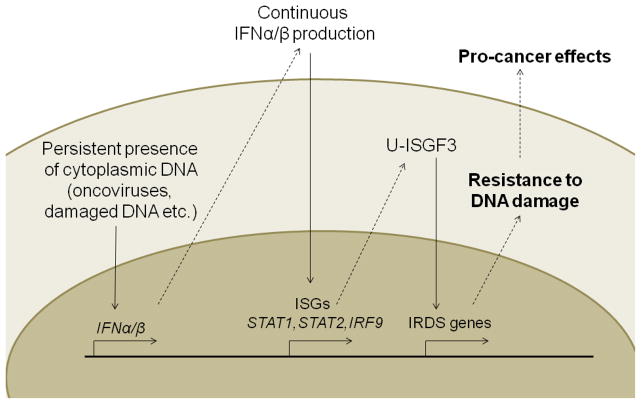
Figure 1. Causes and consequences of increased endogenous IFN production
Persistent infection with oncoviruses (DNA- or retroviruses) or exposure to DNA damaging agents (UV light, DNA damaging chemicals, etc.) leads to cytoplasmic DNA, which induces IFN-α/β production. Chronic exposure of cells to type I IFN increases the expression of ISGs, including STAT1, STAT2, and IRF9. U-ISGF3, formed by increased levels of unphosphorylated STAT1 and STAT2, and IRF9. U-ISGF3 selectively induces a subset of ISGs, the IRDS genes, leading to resistance to DNA damage. U-ISGF3; unphosphorylated IFN stimulated gene factor 3, IRDS; IFN-related DNA damage resistance signature
Figure 2
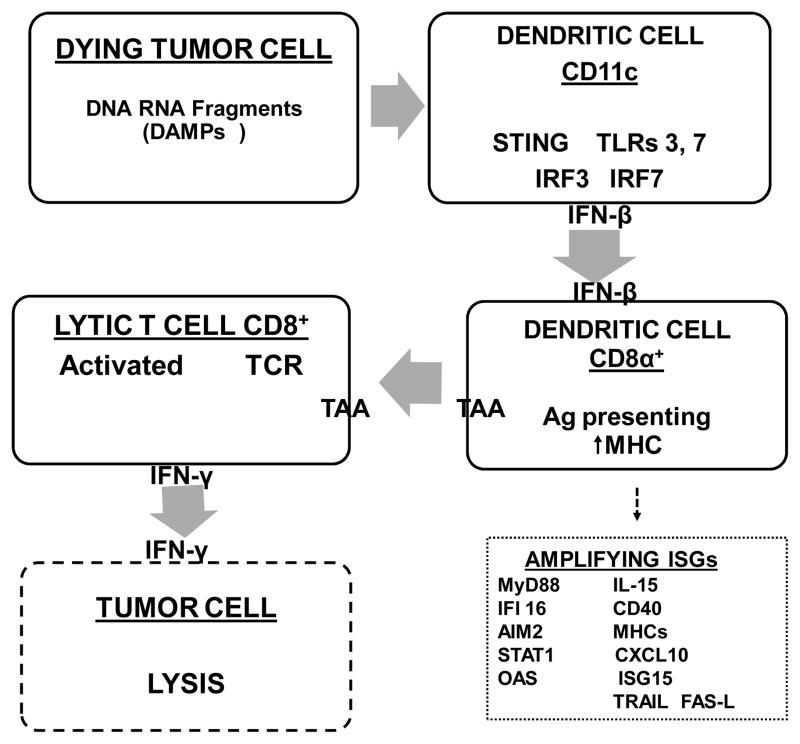
Figure 2. Assumed cascade of events in T cell activation resulting from triggering of IFN synthesis and secretion by release of nucleotide fragments into the microenvironment from dying tumor cells
Consistent with existing evidence detailed in the text (although not at all steps are yet completely confirmed), fragments of RNA and DNA are released into the microenvironment and processed through endosomal pathways of CD11c+ plasmacytoid dendritic cells for secretion of IFN-β. Subsequent steps are activation of CD8a+ dendritic cells, with presentation through MHC pathways of tumor-associated antigens (TAA) through the CD8+ T cell receptor (TCR), and secretion of IFN-γ. , Various steps in the complete cascade, probably similar to but not necessarily identical to those resulting in constitutive IFN secretion and autoimmune diseases, are amplified by protein products of ISGs, A few examples are given.
Figure 3
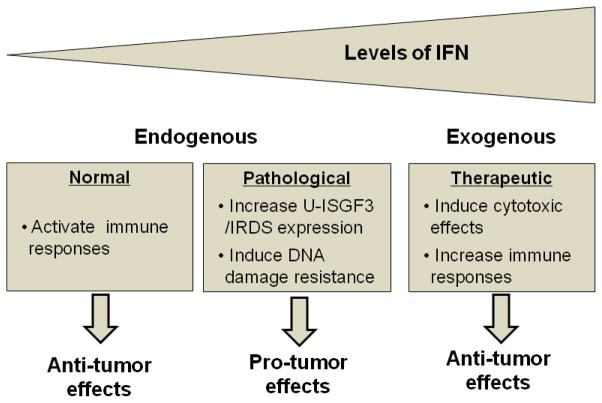
Figure 3. Effects of IFNs in tumor biology
The effects of IFNs are determined by the levels of IFNs and the duration of exposure to them. In normal conditions, very low levels of endogenous type I IFNs are constitutively expressed and activate immune responses, inhibiting tumor progression (left panel). In pathological conditions, the production of endogenous IFNs is increased, and chronic exposure to IFNs enhances the expression of the IRDS genes through U-ISGF3, resulting in enhanced resistance to DNA damage (middle panel). For therapeutic purposes, high levels of exogenous IFNs are used to increase the expression of cytotoxic genes as well as to stimulate anti-cancer immunity (right panel). IRDS; IFN-related DNA damage resistance signature
Figure 4
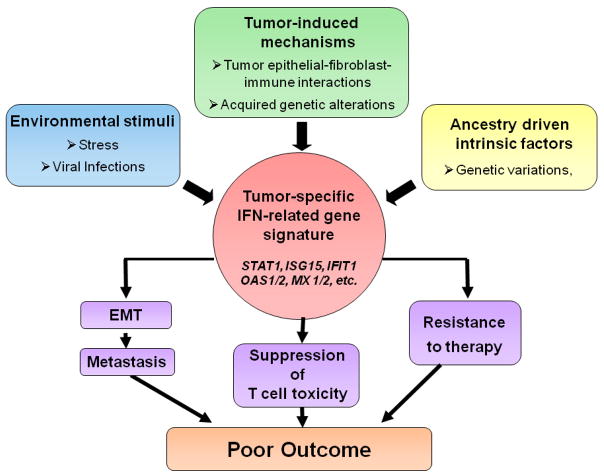
Figure 4. Potential origin and effects of the IRDS in tumor biology
Tumor-induced mechanisms, environmental stimuli, or ancestry-driven intrinsic factors may induce the IRDS in tumors. This signature may lead to poor outcomes by mechanisms that include EMT and consequently increased metastatic potential, suppression of T-cell toxicity, and resistance to therapy. IRDS; IFN-related DNA damage resistance signature, EMT; epithelial to mesenchymal transition This figure and legend are modified from the original in the paper by Wallace et al with the permission of Dr. Ambs.

References

    1. Borden EC, Williams BR. Interferon-stimulated genes and their protein products: what and how? J Interferon Cytokine Res. 2011;31:1–4. - PubMed
    1. Diamond MS, Kinder M, Matsushita H, Mashayekhi M, Dunn GP, et al. Type I interferon is selectively required by dendritic cells for immune rejection of tumors. J Exp Med. 2011;208:1989–2003. - PMC - PubMed
    1. Fuertes MB, Kacha AK, Kline J, Woo SR, Kranz DM, et al. Host type I IFN signals are required for antitumor CD8+ T cell responses through CD8{alpha}+ dendritic cells. J Exp Med. 2011;208:2005–2016. - PMC - PubMed
    1. Der SD, Zhou A, Williams BR, Silverman RH. Identification of genes differentially regulated by interferon alpha, beta, or gamma using oligonucleotide arrays. Proc Natl Acad Sci U S A. 1998;95:15623–15628. - PMC - PubMed
    1. Hertzog P, Forster S, Samarajiwa S. Systems biology of interferon responses. J Interferon Cytokine Res. 2011;31:5–11. - PubMed

Publication types

MeSH terms