


An Unusual Case of Traumatic Internal Carotid Artery Dissection during Snowboarding
- PMID: 24790504
- PMCID: PMC3990904
An Unusual Case of Traumatic Internal Carotid Artery Dissection during Snowboarding
Abstract
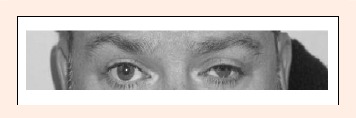
The presentation of Horner's syndrome following blunt trauma is uncommon, but is of important clinical significance. Identification of the constellation of signs of Horner's syndrome should, therefore, prompt urgent neuro-radiologic imaging. Early diagnosis and initiation of appropriate treatment can lead to excellent outcomes in the majority of cases and prevent devastating cerebral ischaemic damage. A progressive case of Horner's syndrome following blunt injury to the neck in an amateur snowboarder is presented. Key pointsBlunt injury to the neck can result in Horner's syndrome.Horner's syndrome should alert clinicians to the possibility of a silent ICAD.MRI and MRA of the head and neck constitute the imaging modality of choice to look for ICAD.The treatment of choice for ICAD is anticoagulation for 3-6 months.
Keywords: Horner’s syndrome; amaurosis fugax; anisocoria; snowboard.
Figures
References
-
- Bell R.L., Atweh N., Ivy M.E., Possenti P. (2001) Traumatic and iatrogenic Horner syndrome: case reports and review of the literature. The Journal of Trauma 51, 400-404 - PubMed
-
- Chan C., Paine M., O’Day J. (2001) Carotid dissection: a common cause of Horner’s syndrome. Clinical and Experimental Ophthalmology 29, 411-415 - PubMed
-
- Demetriades A.M., Miller N.R., Garibaldi D.C. (2009) Bilateral internal carotid artery dissection presenting as isolated unilateral Horner syndrome. Journal of Ophthalmic Plastic and Reconstructive Surgery 25, 485-486 - PubMed
-
- Dziewas R., Konrad C., Drager B., Evers S., Besselmann M., Lüdemann P., Kuhlenbäumer G., Stögbauer F., Ringelstein E.B. (2003) Cervical artery dissection-Clinical features, risk factors, therapy and outcome in 126 patients. Journal of Neurology 250, 1179-1784 - PubMed
LinkOut - more resources
Full Text Sources