


Bioenergetics of mammalian sperm capacitation
- PMID: 24791005
- PMCID: PMC3984864
- DOI: 10.1155/2014/902953
Bioenergetics of mammalian sperm capacitation
Abstract
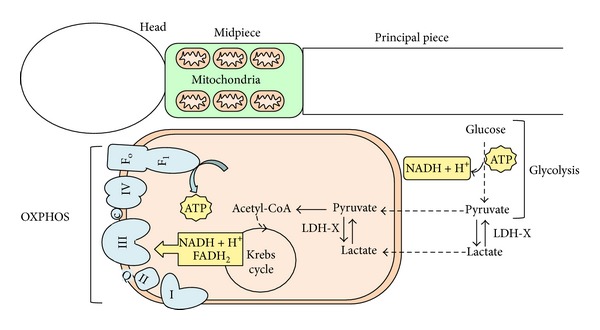
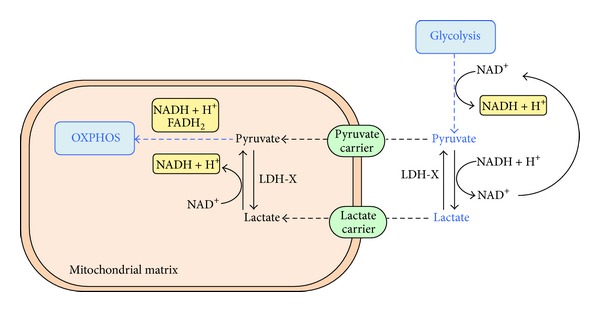
After ejaculation, the mammalian male gamete must undergo the capacitation process, which is a prerequisite for egg fertilization. The bioenergetics of sperm capacitation is poorly understood despite its fundamental role in sustaining the biochemical and molecular events occurring during gamete activation. Glycolysis and mitochondrial oxidative phosphorylation (OXPHOS) are the two major metabolic pathways producing ATP which is the primary source of energy for spermatozoa. Since recent data suggest that spermatozoa have the ability to use different metabolic substrates, the main aim of this work is to present a broad overview of the current knowledge on the energy-producing metabolic pathways operating inside sperm mitochondria during capacitation in different mammalian species. Metabolism of glucose and of other energetic substrates, such as pyruvate, lactate, and citrate, is critically analyzed. Such knowledge, besides its obvious importance for basic science, could eventually translate into the development of novel strategies for treatment of male infertility, artificial reproduction, and sperm selection methods.
Figures
References
-
- de Lamirande E, Leclerc P, Gagnon C. Capacitation as a regulatory event that primes spermatozoa for the acrosome reaction and fertilization. Molecular Human Reproduction. 1997;3(3):175–194. - PubMed
-
- de Jonge C. Biological basis for human capacitation. Human Reproduction Update. 2005;11(3):205–214. - PubMed
-
- Suarez SS, Ho HC. Hyperactivation of mammalian sperm. Cell and Molecular Biology. 2003;49(3):351–356. - PubMed
-
- Marquez B, Suarez SS. Different signaling pathways in bovine sperm regulate capacitation and hyperactivation. Biology of Reproduction. 2004;70(6):1626–1633. - PubMed
-
- Bucci D, Rodriguez-Gil JE, Vallorani C, Spinaci M, Galeati G, Tamanini C. Gluts and mammalian sperm metabolism. Journal of Andrology. 2011;32(4):348–355. - PubMed
Publication types
MeSH terms
LinkOut - more resources
Full Text Sources
Other Literature Sources
