. 2015 Jan;1851(1):19-29.
doi: 10.1016/j.bbalip.2014.04.008. Epub 2014 May 4.

Bile acid signaling in lipid metabolism: metabolomic and lipidomic analysis of lipid and bile acid markers linked to anti-obesity and anti-diabetes in mice

Affiliations

Bile acid signaling in lipid metabolism: metabolomic and lipidomic analysis of lipid and bile acid markers linked to anti-obesity and anti-diabetes in mice

Yunpeng Qi et al. Biochim Biophys Acta. 2015 Jan.

Abstract

Bile acid synthesis is the major pathway for catabolism of cholesterol. Cholesterol 7α-hydroxylase (CYP7A1) is the rate-limiting enzyme in the bile acid biosynthetic pathway in the liver and plays an important role in regulating lipid, glucose and energy metabolism. Transgenic mice overexpressing CYP7A1 (CYP7A1-tg mice) were resistant to high-fat diet (HFD)-induced obesity, fatty liver, and diabetes. However the mechanism of resistance to HFD-induced obesity of CYP7A1-tg mice has not been determined. In this study, metabolomic and lipidomic profiles of CYP7A1-tg mice were analyzed to explore the metabolic alterations in CYP7A1-tg mice that govern the protection against obesity and insulin resistance by using ultra-performance liquid chromatography-coupled with electrospray ionization quadrupole time-of-flight mass spectrometry combined with multivariate analyses. Lipidomics analysis identified seven lipid markers including lysophosphatidylcholines, phosphatidylcholines, sphingomyelins and ceramides that were significantly decreased in serum of HFD-fed CYP7A1-tg mice. Metabolomics analysis identified 13 metabolites in bile acid synthesis including taurochenodeoxycholic acid, taurodeoxycholic acid, tauroursodeoxycholic acid, taurocholic acid, and tauro-β-muricholic acid (T-β-MCA) that differed between CYP7A1-tg and wild-type mice. Notably, T-β-MCA, an antagonist of the farnesoid X receptor (FXR) was significantly increased in intestine of CYP7A1-tg mice. This study suggests that reducing 12α-hydroxylated bile acids and increasing intestinal T-β-MCA may reduce high fat diet-induced increase of phospholipids, sphingomyelins and ceramides, and ameliorate diabetes and obesity. This article is part of a Special Issue entitled Linking transcription to physiology in lipodomics.

Keywords: CYP7A1; bile acid metabolism; farnesoid X receptor (FXR); lipidomics; tauro-β-muricholic acid.


Figures

Fig 1
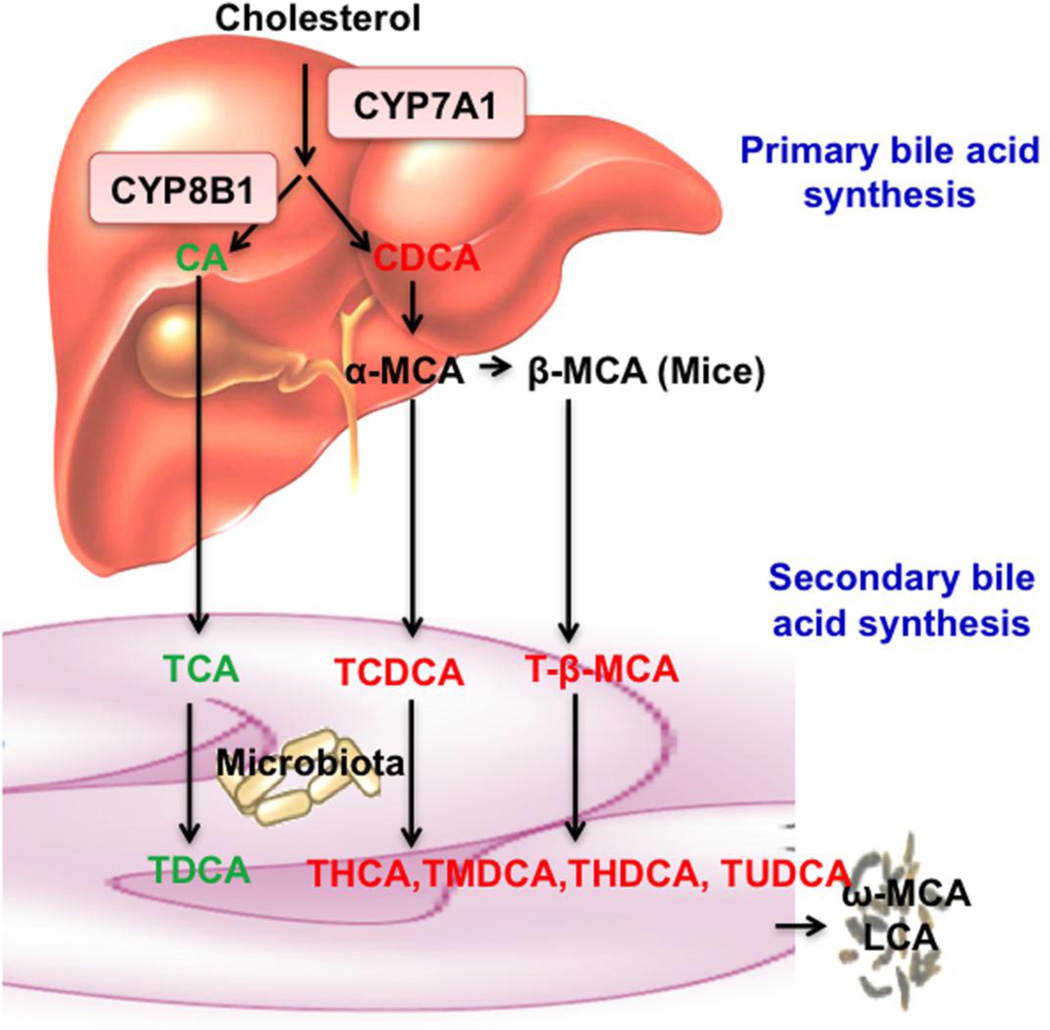
Fig 1. Bile acid synthesis
In the classic bile acid synthesis pathway, cholesterol is converted to cholic acid (CA, 3α, 7α, 12α) and chenodeoxycholic acid (CDCA, 3α, 7α) CYP7A1 is the rate-limiting enzyme and CYP8B1 catalyzes the synthesis of CA. In mouse liver, CDCA is converted to α-muricholic acid (α-MCA, 3α, 6β, 7α) and β-MCA (3α, 6β, 7β) Most bile acids in mice are taurine (T)-conjugated and secreted into bile. In the intestine, gut bacteria de-conjugate bile acids and then remove the 7α-hydroxyl group from CA and CDCA to form secondary bile acids deoxycholic acid (DCA, 3α, 12α) and lithocholic acid (LCA, 3α), respectively. T-α-MCA and T-β-MCA are converted to T-hyodeoxycholic acid (THDCA, 3α, 6α), T-ursodeoxycholic acid (TUDCA, 3α, 7β), T-hyocholic acid (THCA, 3α, 6α, 7α) and T-murideoxycholic acid (TMDCA, 3α, 6β). These secondary bile acids are reabsorbed and circulated to liver to contribute to the bile acid pool. Secondary bile acids ω-MCA (3α, 6α, 7β) and LCA are excreted into feces.
Fig 2
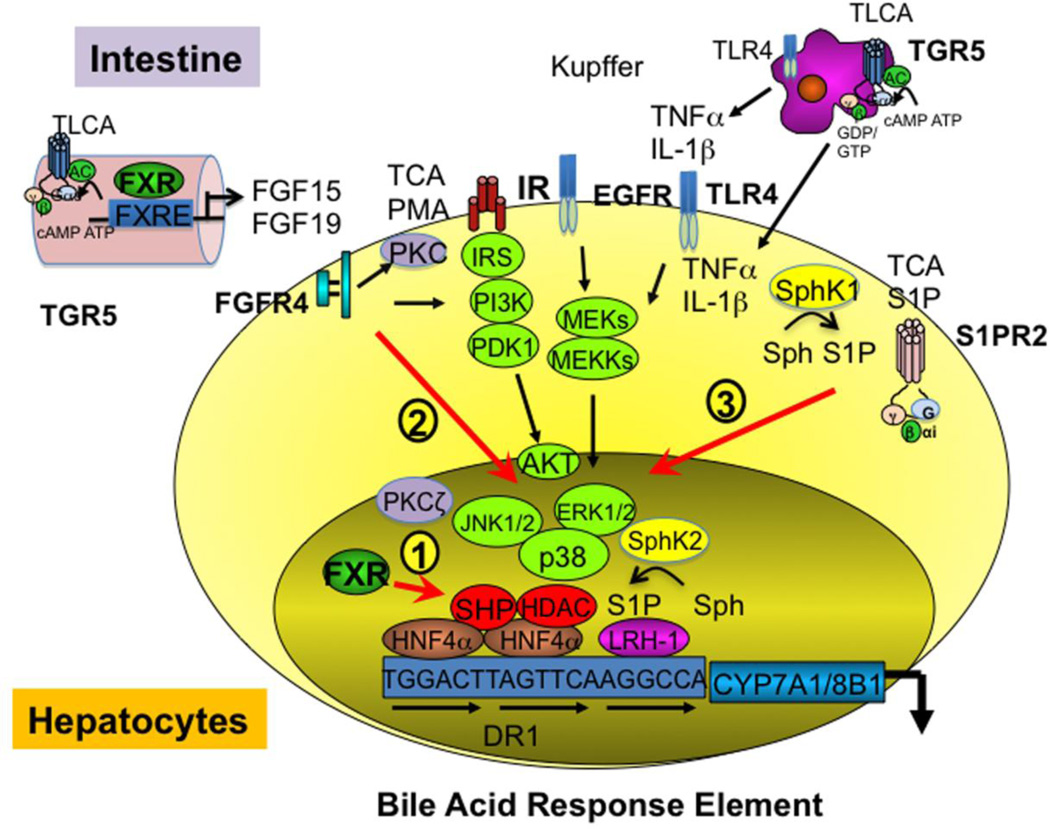
Fig 2. Bile acid signaling pathways
Bile acids activate FXR, TGR5 and cell signaling pathways to inhibit CYP7A1 and CYP8B1 gene transcription. 1) Hepatic FXR/SHP pathway: bile acid activated-FXR induces SHP, which inhibits HNF4α and LRH-1 trans-activation of CYP7A1 and CYP8B1 gene transcription in hepatocytes. Bile acid response element binds HNF4α and LRH-1. 2) Intestinal FXR/FGF19/FGFR4 pathway: in the intestine, FXR induces FGF15 (mouse) /FGF19 (human), which is secreted into portal circulation to activate FGF receptor 4 (FGFR4) in hepatocytes. FGFR4 signaling stimulates JNK1/2 and ERK1/2 pathways of MAPK signaling to inhibit CYP7A1 gene transcription by phosphorylation and inhibition of HNF4α binding activity. 3) FXR-independent signaling pathways: Conjugated bile acids activate PKCs, which activate the MAPK pathways to inhibit CYP7A1. Bile acids also activate insulin receptor (IR) signaling IRS/PI3K/PDK1/AKT, possibly via activation of epidermal growth factor receptor (EGFR) signaling, MAPKs (MEK, MEKK), to inhibit CYP7A1 gene transcription. The secondary bile acid TLCA activates TGR5 signaling in Kupffer cells. TGR5 signaling may regulate CYP7A1 by an unknown mechanism. TCA activates sphingosine-1-phosphate (S1P) receptor 2 (S1PR2), which may activate AKT and ERK1/2 to inhibit CYP7A1. S1P kinase 1 (Sphk1) phosphates sphingosine (Sph) to S-1-P, which activates S1PR2. On the other hand, nuclear SphK2 interacts with and inhibits histone deacetylase (HDAC1/2) and may induce CYP7A1. The role of S1P, SphK2, and S1PR2 signaling in regulation of bile acid synthesis is not known.
Fig 3
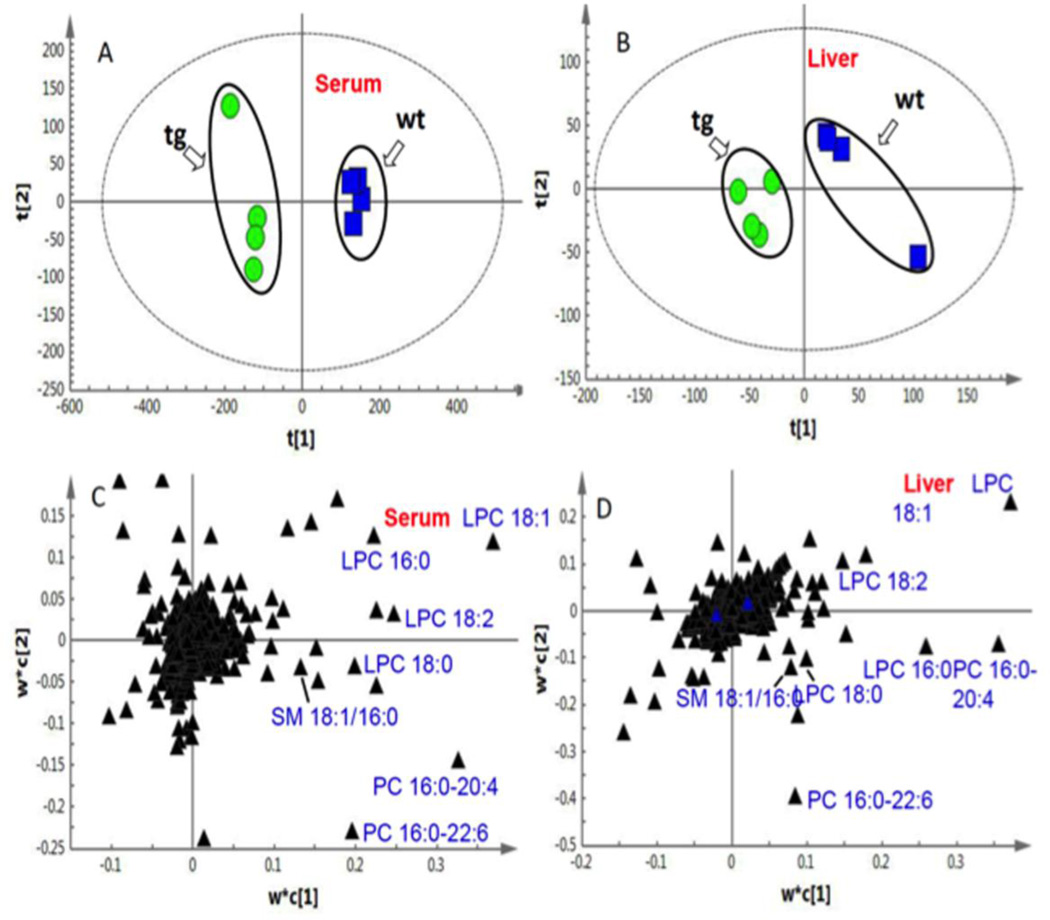
Fig 3. PLS-DA analysis of CYP7A1-tg and wild-type (WT) mice challenged with HFD
Based on the score plots, distinct lipidomic profiles of male CYP7A1-tg and wild-type groups were shown for serum (A) and liver samples (B). Based on the loading plots (C for serum and D for liver) the most significant ions that led to the separation between CYP7A1-tg and wild-type groups were obtained and identified as follows: 1. LPC16:0; 2. LPC18:0; 3. LPC18: 1; 4. LPC 18:2; 5. PC16:0-20:4; 6. PC16:0-22:6; 7. SM16:0.
Fig 4
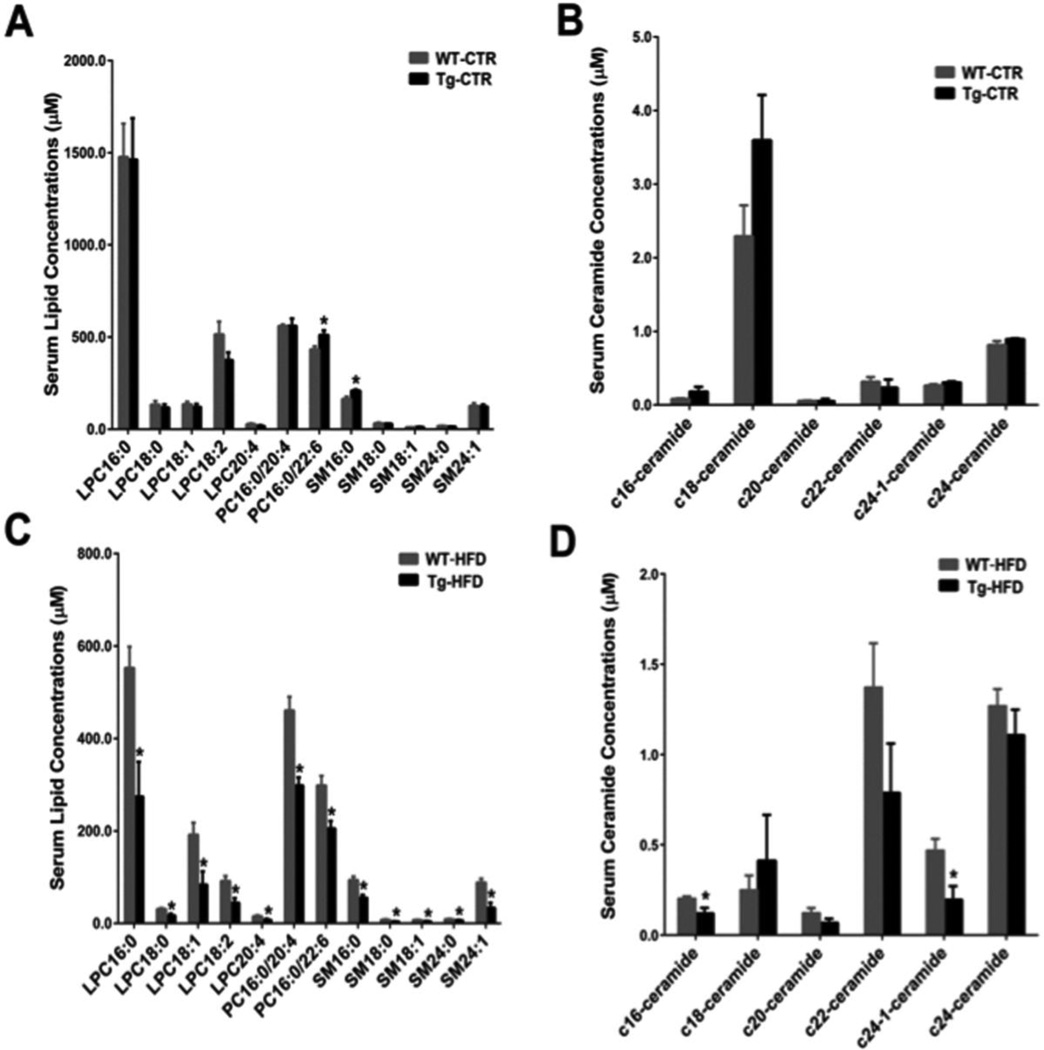
Fig 4. Serum lipid marker quantitation results by multiple reaction-monitoring mass spectrometry based on standard curves using authentic standards
Data were expressed as mean ± SD. Significant comparison was based on two-tailed Student’s t-test or Mann-Whitney test. An * indicates p< 0.05 (with respect to the wild-type group). Abbreviations: WTCTR, control diet-treated male wild-type mice; Tg-CTR, control diet-treated male CYP7A1 transgenic mice; WT-HFD, high-fat diet-treated male wild-type mice; Tg-HFD, high-fat diet-treated male CYP7A1 transgenic mice.
Fig 5
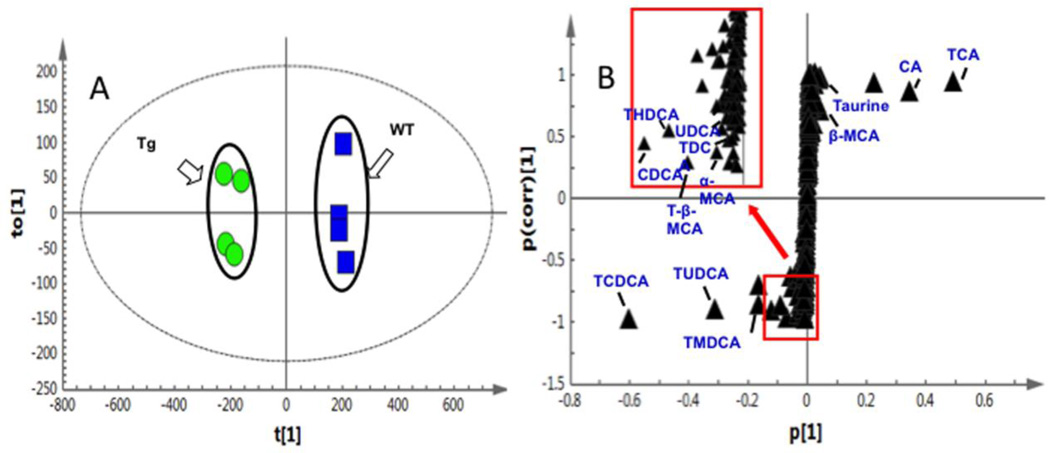
Fig 5. OPLS-DA highlighted thirteen markers in bile acid pathway that contribute significantly to the clustering of CYP7A1-tg and wild-type (WT) mice
Ileum bile acids are shown. (A) In the score plot, female CYP7A1-tg and WT mice were well separated; (B) using a statistically significant thresholds of variable confidence approximately 0.75 in the S-plot, a number of ions were screened out as potential markers, which were later identified as 13 bile acid metabolites including α-MCA, TCA, CDCA, and TCDCA etc.
Fig 6
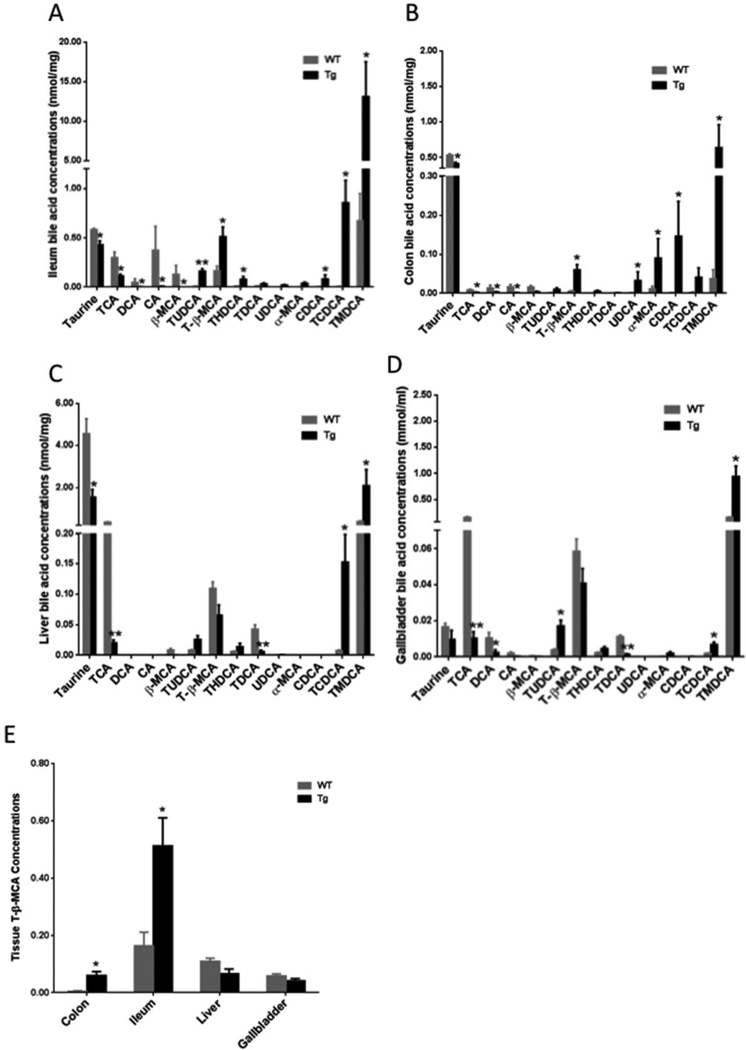
Fig 6. Quantitation analysis of the bile acid markers
Bile acid marker levels in the ileum (A), colon (B), liver (C), and gallbladder (D) of female CYP7A1-tg and wild-type (WT) mice. (E) T-β-MCA levels in colon, ileum, liver and gallbladder samples (nmol/mg tissue for colon, ileum and liver, and mmol/ml for gallbladder). Data were expressed as mean ± SD. Significant comparison was based on two tailed Student’s t-test or Mann-Whitney test. An * indicates p < 0.05, and a ** indicates p<0.01 (with respect to the WT group).
Fig 7
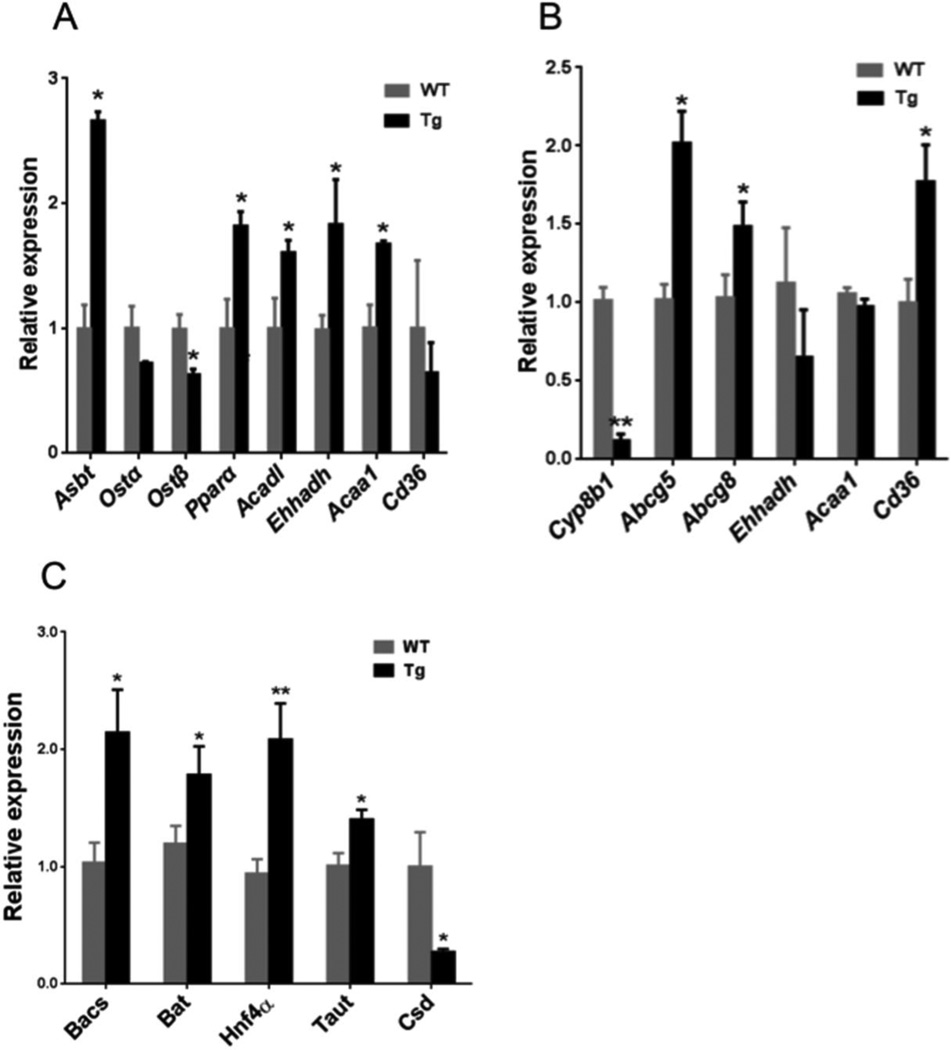
Fig 7. Quantitative real time PCR analysis of ileum and liver mRNA expression in CYP7A1-tg and wild-type mice
(A) Ileum mRNA expression of genes involved in bile acid metabolism and transport (Asbt, Ostα, Ostβ) and fatty acid β-oxidation (Pparα, Acad1, Ehhadh, Acaa1), and fatty acid transporter Cd36 in female chow-fed mice. (B) Hepatic mRNA expression of genes in bile acid metabolism (Cyp8b1), cholesterol efflux transporters (Abcg5, Abcg8) and fatty acid oxidation (Ehhadh, Acaa1) and fatty acid transport (Cd36) in female chow-fed mice. (C) Hepatic mRNA expression of enzymes in bile acid conjugation (Bacs and Bat), HNF4α, taurine biosynthesis (Taut and Csd) in chow fed female CYP7A1-tg mice. Data were expressed as mean ± SD. Significance comparison was based on two-tailed Student’s t-test or Mann-Whitney test. An *Indicates p<0.05 and an **indicates p<0.01 with respect to the wild-type (WT) group. Abbreviations: Tg, transgenic mice overexpressing CYP7A1 in the liver; WT, wild-type mice; Asbt, apical sodium-dependent bile acid transporter; Ostα, organic solute transporter-α; Ostβ, organic solute transporter-β; Pparα, peroxisome proliferator-activated receptor α; Acadl, long-chain specific acyl-CoA dehydrogenase; Ehhadh, enoyl-CoA hydratase/liter-3-hydroxyacyl-CoA dehydrogenase; Acaa1, acetyl-CoA acyltransferase 1; Abcg5, ATP-binding cassette G5; Abcg8, ATP-binding cassette G8; Cd36, fatty acid transporter; Taut, taurine transporter; Csd, cysteine sulfonic acid decarboxylase.
Fig 8
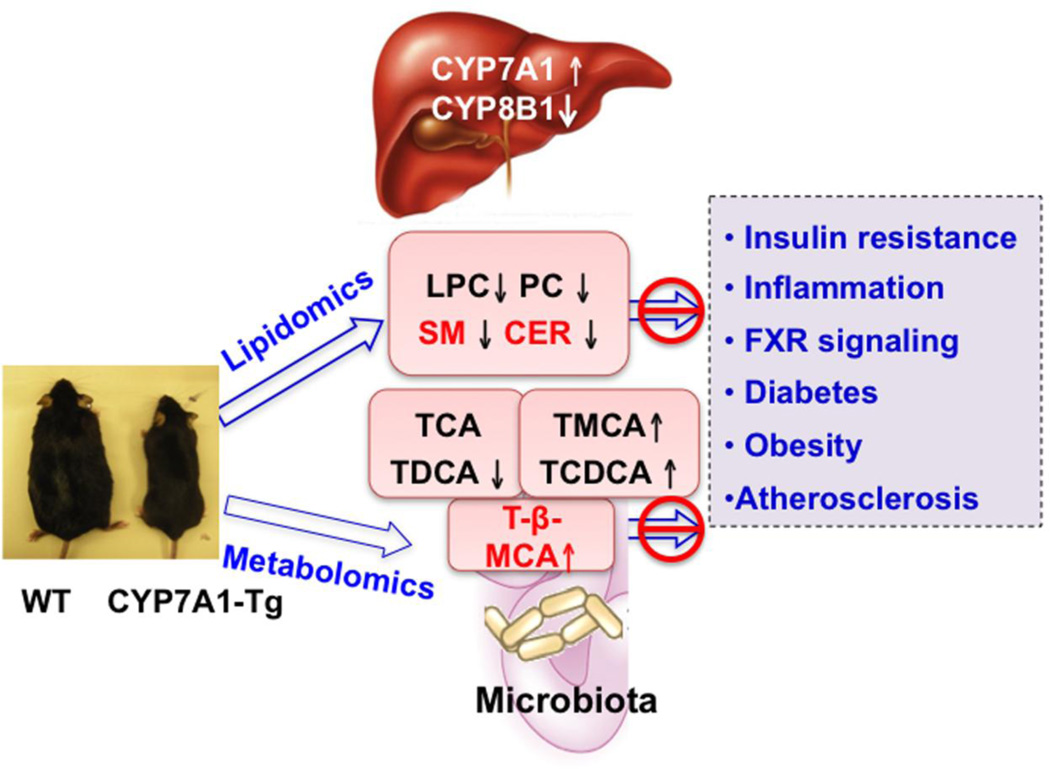
Fig 8. Mechanisms of anti-diabetic and anti-obesity function of bile acids in CYP7A1-tg mice
In CYP7A1-tg mice, overexpressing CYP7A1 increases bile acid pool size and reduces cholic acid by inhibiting CYP8B1. Lipidomics analysis revealed decreased serum LPC, PC, SM and CER. These lipidomic markers are increased in hepatic steatosis and NAFLD. Bile acids may reduce LPC, PC, SM and CER levels and protect against high fat diet-induced insulin resistance and obesity in CYP7A1-tg mice. Metabolomics analysis showed decreased intestinal TCA and TDCA and increased intestinal T-β-MCA In CYP7A1-tg mice. High fat diets are known to increase CA synthesis and intestinal inflammation. It is proposed that decreasing CA and DCA synthesis may increase intestinal T-β-MCA, which antagonizes FXR signaling to increase bile acid synthesis and prevent high fat diet-induced insulin resistance and obesity.

References

    1. Chiang JY. Bile acids: regulation of synthesis. Journal of lipid research. 2009;50:1955–1966. - PMC - PubMed
    1. Pullinger CR, Eng C, Salen G, Shefer S, Batta AK, Erickson SK, et al. Human cholesterol 7α-hydroxylase (CYP7A1) deficiency has a hypercholesterolemic phenotype. The Journal of clinical investigation. 2002;110:109–117. - PMC - PubMed
    1. Hylemon PB, Zhou H, Pandak WM, Ren S, Gil G, Dent P. Bile acids as regulatory molecules. Journal of lipid research. 2009;50:1509–1520. - PMC - PubMed
    1. Makishima M, Okamoto AY, Repa JJ, Tu H, Learned RM, Luk A, et al. Identification of a nuclear receptor for bile acids. Science. 1999;284:1362–1365. - PubMed
    1. Parks DJ, Blanchard SG, Bledsoe RK, Chandra G, Consler TG, Kliewer SA, et al. Bile acids: Natural ligands for an orphan nuclear receptor. Science. 1999;284:1365–1368. - PubMed

Publication types

MeSH terms