


Gastrointestinal microbes interact with canine adipose-derived mesenchymal stem cells in vitro and enhance immunomodulatory functions
- PMID: 24803072
- PMCID: PMC4120524
- DOI: 10.1089/scd.2014.0128
Gastrointestinal microbes interact with canine adipose-derived mesenchymal stem cells in vitro and enhance immunomodulatory functions
Abstract
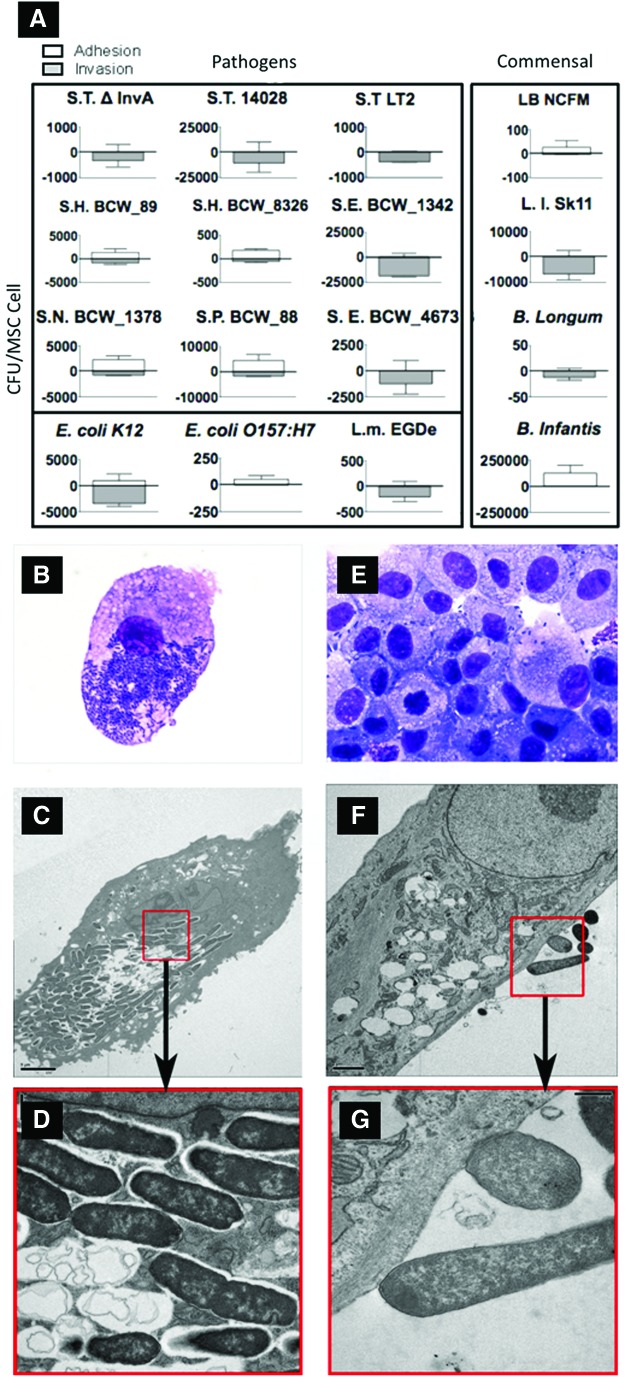
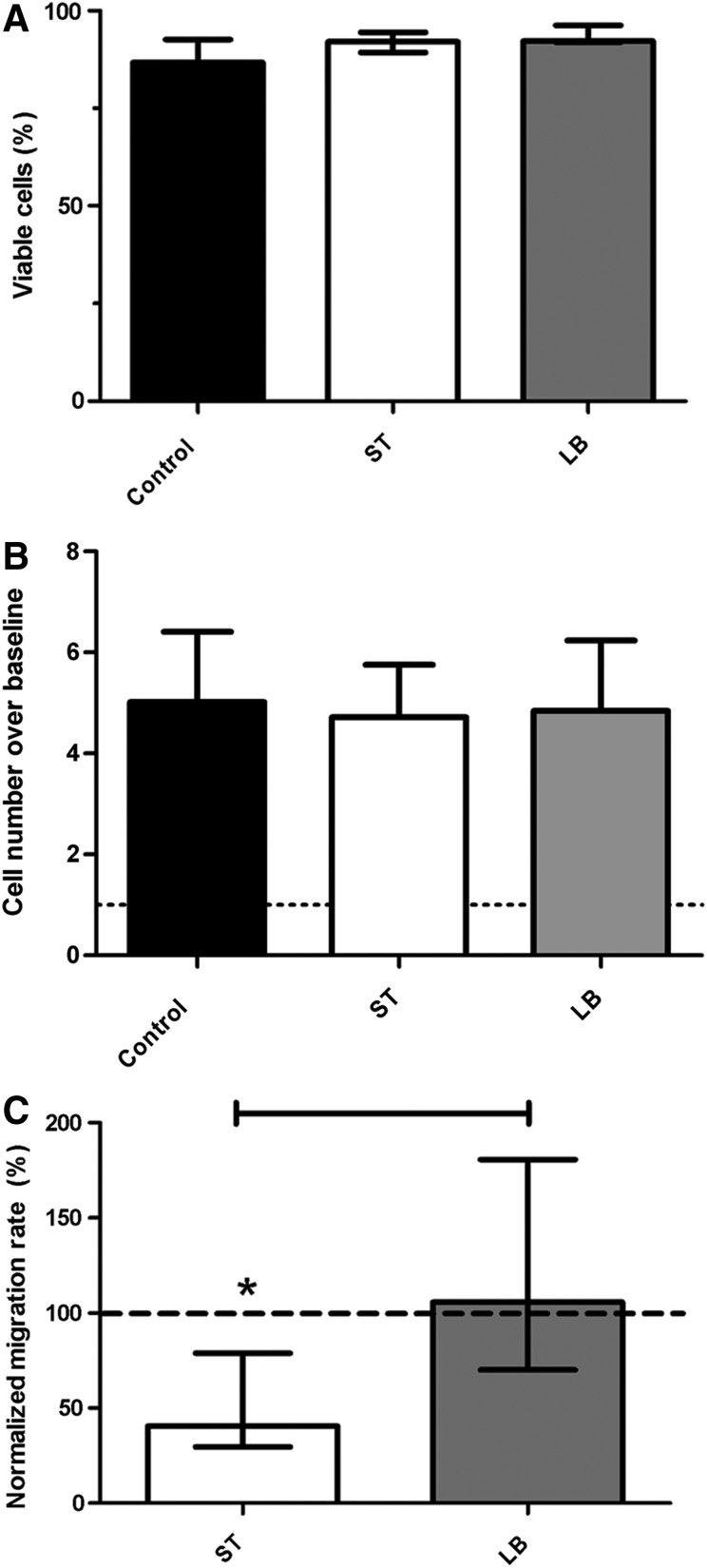
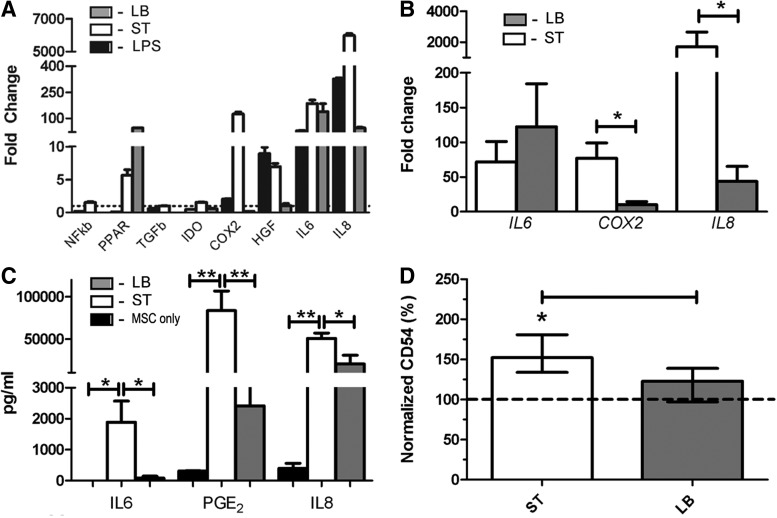
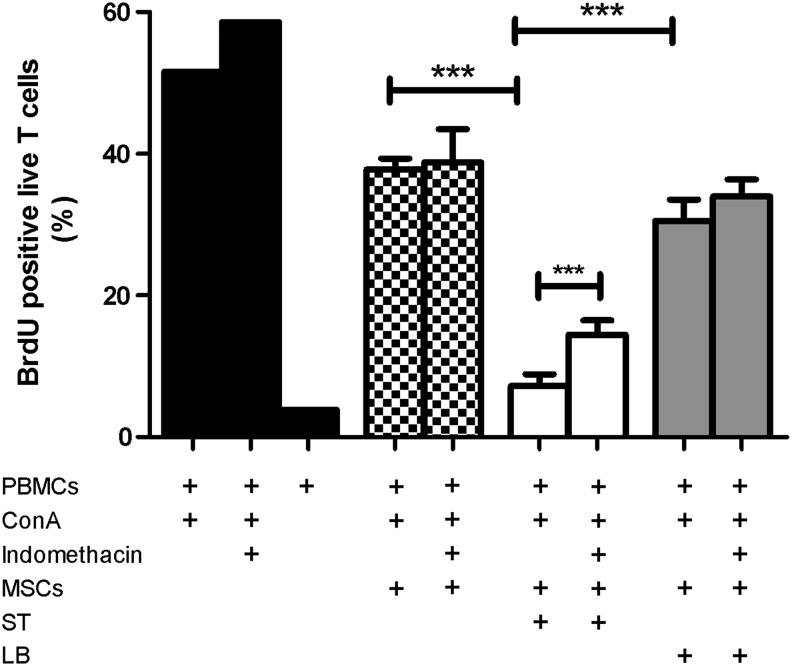
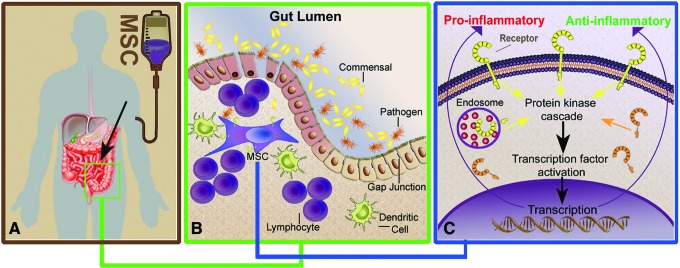
Mesenchymal stem cells (MSCs) are somatic, multipotent stromal cells with potent immunomodulatory and regenerative properties. Although MSCs have pattern recognition receptors and are modulated by Toll-like receptor ligands, MSC-microbial interactions are poorly defined. The objectives of this study were to determine the effect of bacterial association on MSC function. We hypothesized that gastrointestinal bacteria associate with MSCs and alter their immunomodulatory properties. The effect of MSC-microbial interactions on MSC morphology, viability, proliferation, migration, and immunomodulatory functions was investigated. MSCs associated with a remarkable array of enteric pathogens and commensal bacteria. MSC interactions with two model organisms, the pathogen Salmonella typhimurium and the probiotic Lactobacillus acidophilus, were further investigated. While ST readily invaded MSCs, LB adhered to the MSC plasma membrane. Neither microbe induced MSC death, degeneration, or diminished proliferation. Microbial association did not upregulate MHC-II, CD80/86, or CD1 expression. MSC-microbial interaction significantly increased transcription of key immunomodulatory genes, including COX2, IL6, and IL8, coupled with significantly increased prostaglandin E2 (PGE2), interleukin (IL)6, and IL8 secretion. MSC-ST coincubation resulted in increased MSC expression of CD54, and significant augmentation of MSC inhibition of mitogen-induced T-cell proliferation. T-cell proliferation was partially restored when PGE2 secretion was blocked from ST-primed MSCs. MSC-microbe interactions have a profound effect on MSC function and may be pivotal in a variety of clinical settings where MSCs are being explored as potential therapeutics in the context of microbial communities, such as Crohn's disease, chronic nonhealing wounds, and sepsis.
Figures
References
-
- Singer NG. and Caplan AI. (2011). Mesenchymal stem cells: mechanisms of inflammation. Annu Rev Pathol 6:457–478 - PubMed
-
- Soleymaninejadian E, Pramanik K. and Samadian E. (2012). Immunomodulatory properties of mesenchymal stem cells: cytokines and factors. Am J Reprod Immunol 67:1–8 - PubMed
-
- Ghannam S, Pene J, Torcy-Moquet G, Jorgensen C. and Yssel H. (2010). Mesenchymal stem cells inhibit human Th17 cell differentiation and function and induce a T regulatory cell phenotype. J Immunol 185:302–312 - PubMed
-
- National Institute of Health US. Mesenchymal stem cells clinical trials. Available at: http://clinicaltrials.gov/ct2/results?term=mesenchymal+stem+cell (Accessed 8th August2014)
Publication types
MeSH terms
Substances
Grants and funding
LinkOut - more resources
Full Text Sources
Other Literature Sources
Molecular Biology Databases
Research Materials
