


Expression and localization of p-glycoprotein, multidrug resistance protein 4, and breast cancer resistance protein in the female lower genital tract of human and pigtailed macaque
- PMID: 24803409
- PMCID: PMC4212939
- DOI: 10.1089/AID.2013.0281
Expression and localization of p-glycoprotein, multidrug resistance protein 4, and breast cancer resistance protein in the female lower genital tract of human and pigtailed macaque
Abstract
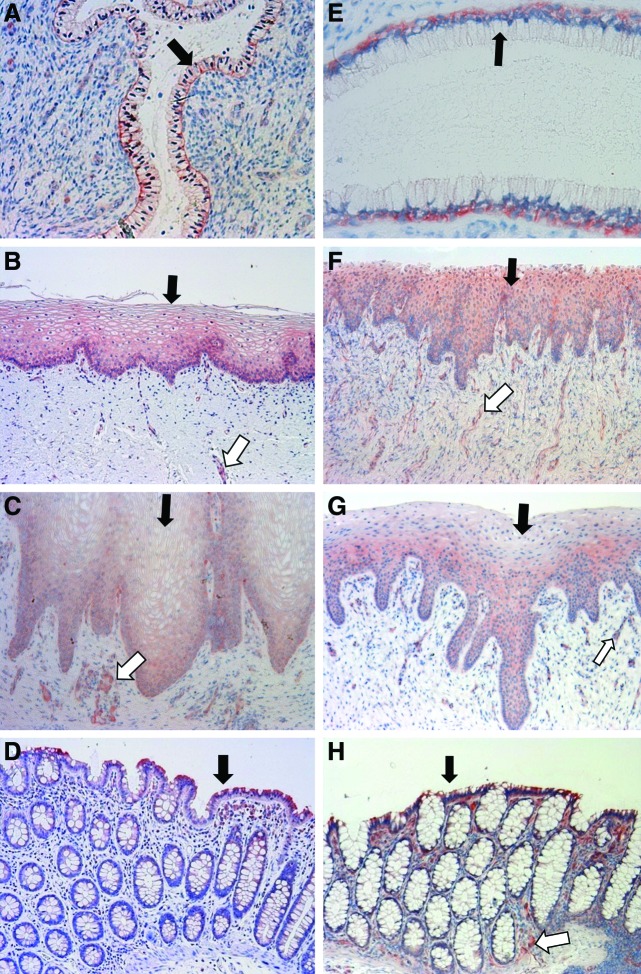
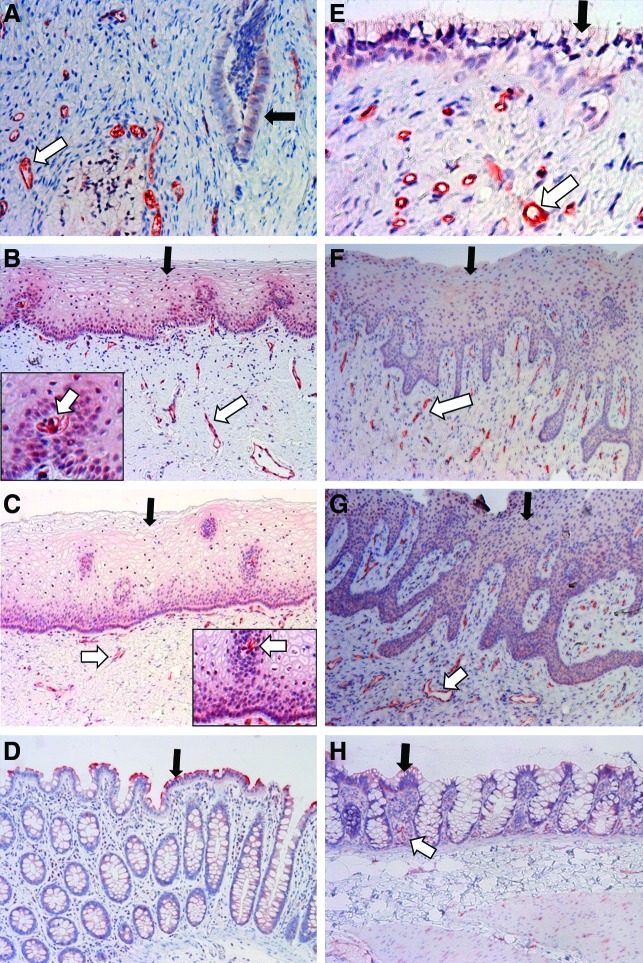
Antiretroviral drug absorption and disposition in cervicovaginal tissue is important for the effectiveness of vaginally or orally administered drug products in preexposure prophylaxis (PrEP) of HIV-1 sexual transmission to women. Therefore, it is imperative to understand critical determinants of cervicovaginal tissue pharmacokinetics. This study aimed to examine the mRNA expression and protein localization of three efflux transporters, P-glycoprotein (P-gp), multidrug resistance-associated protein 4 (MRP4), and breast cancer resistance protein (BCRP), in the lower genital tract of premenopausal women and pigtailed macaques. Along the human lower genital tract, the three transporters were moderately to highly expressed compared to colorectal tissue and liver, as revealed by real-time reverse transcriptase polymerase chain reaction (RT-PCR). In a given genital tract segment, the transporter with the highest expression level was either BCRP or P-gp, while MRP4 was always expressed at the lowest level among the three transporters tested. The immunohistochemical staining showed that P-gp and MRP4 were localized in multiple cell types including epithelial cells and vascular endothelial cells. BCRP was predominantly localized in the vascular endothelial cells. Differences in transporter mRNA level and localization were observed among endocervix, ectocervix, and vagina. Compared to human tissues, the macaque cervicovaginal tissues displayed comparable expression and localization patterns of the three transporters, although subtle differences were observed between the two species. The role of these cervicovaginal transporters in drug absorption and disposition warrants further studies. The resemblance between human and pigtailed macaque in transporter expression and localization suggests the utility of the macaque model in the studies of human cervicovaginal transporters.
Figures
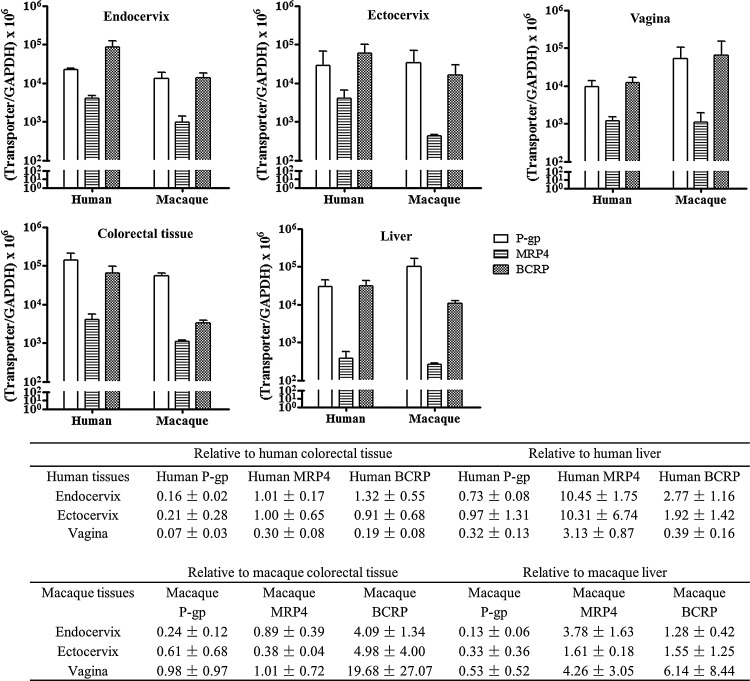
 ) in human and macaque cervicovaginal tissues. The expression in endocervix, ectocervix, vagina, sigmoid colon/colorectum, and liver was examined in tissues from four to six human subjects or three macaques. The table summarizes the transporter expression levels in genital tract tissues relative to the expression levels in colorectal tissue or liver. Each sample was measured once in triplicate, and the average value was used to reflect the expression level in this sample. The data shown represent the mean±standard deviation of all samples in a given group.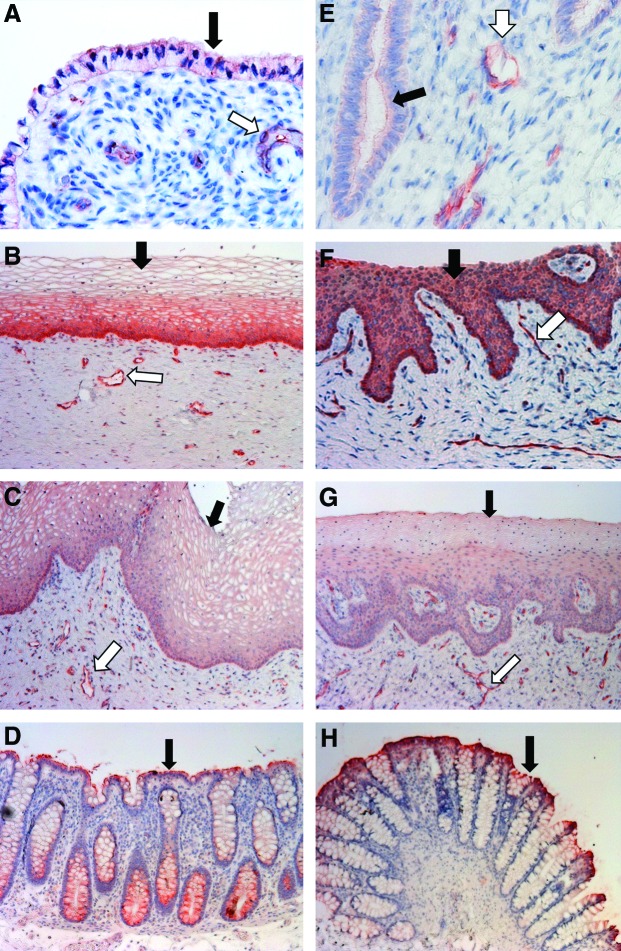
References
Publication types
MeSH terms
Substances
Grants and funding
LinkOut - more resources
Full Text Sources
Other Literature Sources
Miscellaneous
