


Fungal exopolysaccharide: production, composition and applications
- PMID: 24826070
- PMCID: PMC3987751
- DOI: 10.4137/MBI.S10957
Fungal exopolysaccharide: production, composition and applications
Abstract
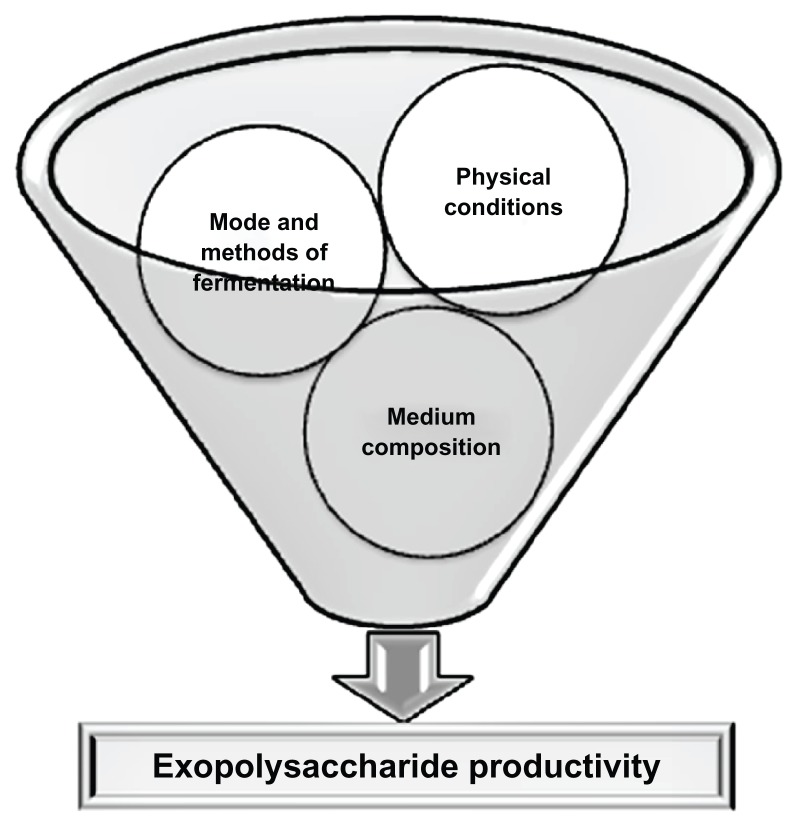
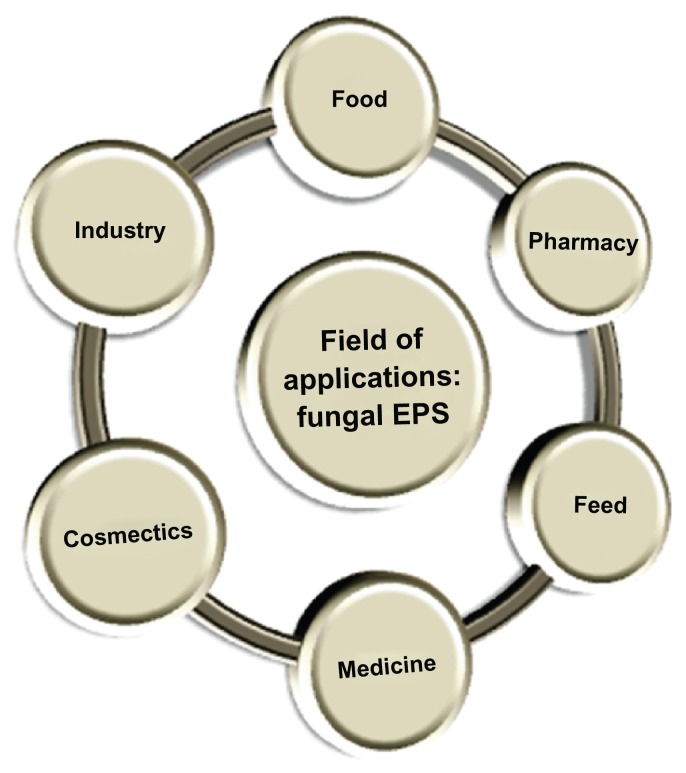
Fungal exopolysaccharides (EPSs) have been recognized as high value biomacromolecules for the last two decades. These products, including pullulan, scleroglucan, and botryosphaeran, have several applications in industries, pharmaceuticals, medicine, foods etc. Although fungal EPSs are highly relevant, to date information concerning fungal biosynthesis is scarce and an extensive search for new fugal species that can produce novel EPSs is still needed. In most cases, the molecular weight variations and sugar compositions of fungal EPSs are dependent to culture medium composition and different physical conditions provided during fermentation. An inclusive and illustrative review on fungal EPS is presented here. The general outline of the present work includes fungal EPS production, their compositions and applications. An emphasis is also given to listing out different fungal strains that can produce EPSs.
Keywords: application; exopolysaccharide composition; exopolysaccharide production; fungal exopolysaccharide.
Figures
References
-
- Sutherland IW. Extracellular polysaccharides. In: Rhem HJ, Reed G, editors. Biotechnology. Vol. 6. VCH; Weinheim: 1996. pp. 615–57.
-
- Roller S, Dea ICM. Biotechnology in the production and modification of biopolymers for foods. Crit Rev Biotechnol. 1992;12(3):261–77.
-
- Wang Y, McNeil B. Scleroglucan. Crit Rev Biotechnol. 1996;16(3):185–215. - PubMed
-
- Manzi P, Pizzoferrato L. Beta-glucans in edible mushrooms. Food Chem. 2000;68(3):315–8.
-
- Seviour RJ, Stasinopoulos SJ, Auer DPF, Gibbs PA. Production of pullulan and other exopolysaccharides by filamentous fungi. Crit Rev Biotechnol. 1992;12(3):279–98.
Publication types
LinkOut - more resources
Full Text Sources
Other Literature Sources
