


Small molecule inhibitors targeting activator protein 1 (AP-1)
- PMID: 24831826
- PMCID: PMC4148154
- DOI: 10.1021/jm5004733
Small molecule inhibitors targeting activator protein 1 (AP-1)
Abstract
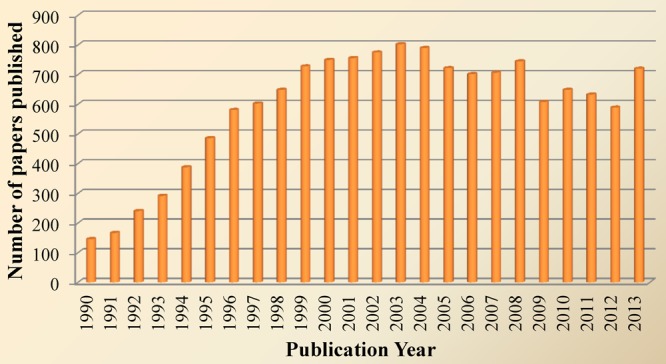
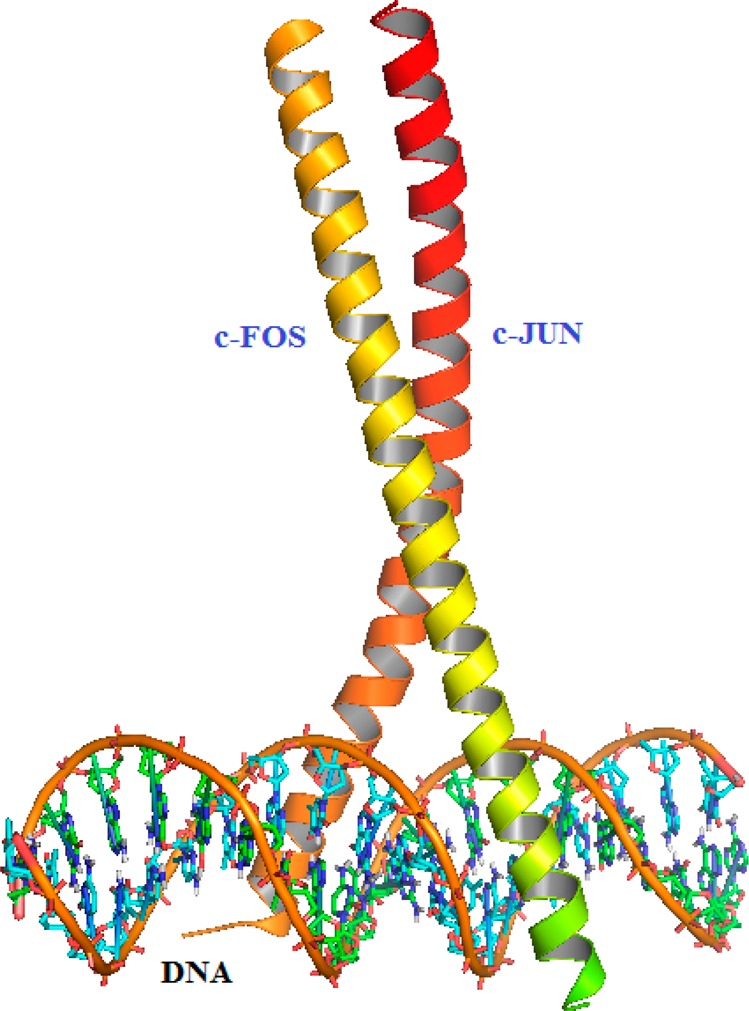
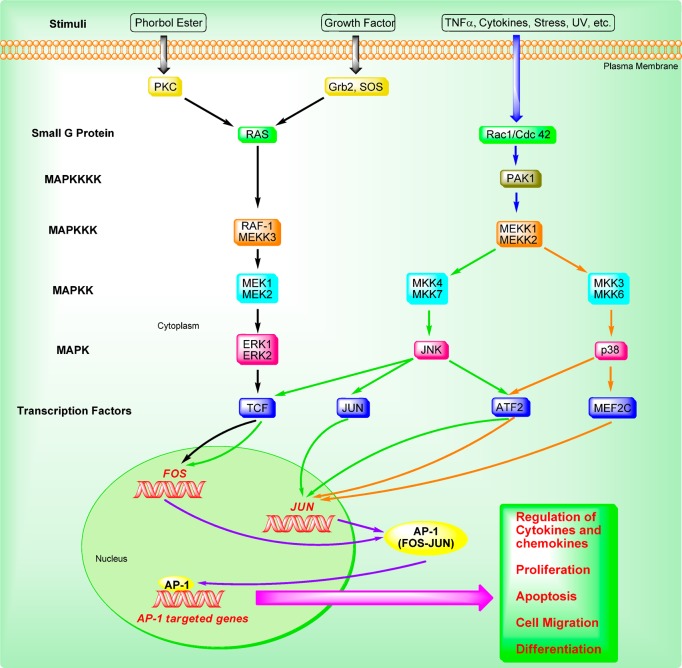
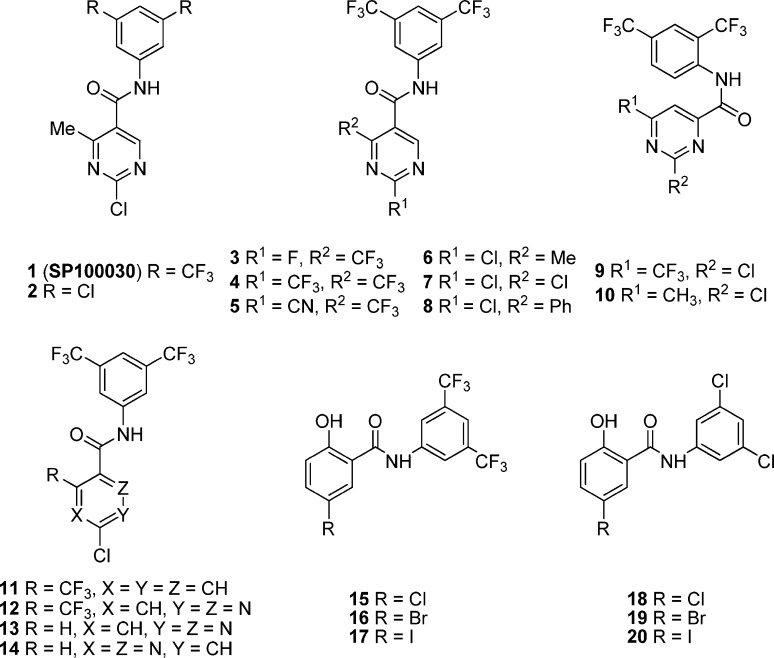
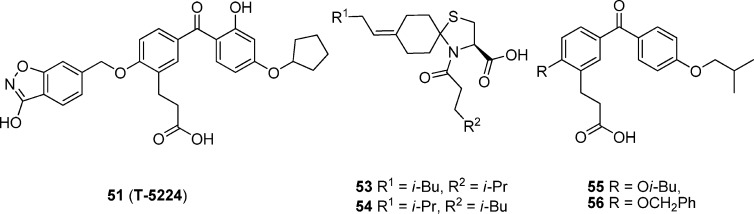
Activator protein 1 (AP-1) is a pivotal transcription factor that regulates a wide range of cellular processes including proliferation, apoptosis, differentiation, survival, cell migration, and transformation. Accumulating evidence supports that AP-1 plays an important role in several severe disorders including cancer, fibrosis, and organ injury, as well as inflammatory disorders such as asthma, psoriasis, and rheumatoid arthritis. AP-1 has emerged as an actively pursued drug discovery target over the past decade. Excitingly, a selective AP-1 inhibitor T-5224 (51) has been investigated in phase II human clinical trials. Nevertheless, no effective AP-1 inhibitors have yet been approved for clinical use. Despite significant advances achieved in understanding AP-1 biology and function, as well as the identification of small molecules modulating AP-1 associated signaling pathways, medicinal chemistry efforts remain an urgent need to yield selective and efficacious AP-1 inhibitors as a viable therapeutic strategy for human diseases.
Figures
References
-
- Palanki M. S. Inhibitors of AP-1 and NF-kappa B mediated transcriptional activation: therapeutic potential in autoimmune diseases and structural diversity. Curr. Med. Chem. 2002, 9, 219–227. - PubMed
-
- Shaulian E.; Karin M. AP-1 as a regulator of cell life and death. Nat. Cell Biol. 2002, 4, E131–E136. - PubMed
-
- Hess J.; Angel P.; Schorpp-Kistner M. AP-1 subunits: quarrel and harmony among siblings. J. Cell Sci. 2004, 117, 5965–5973. - PubMed
-
- Wagner E. F.; Eferl R. Fos/AP-1 proteins in bone and the immune system. Immunol. Rev. 2005, 208, 126–140. - PubMed
-
- Uchihashi S.; Fukumoto H.; Onoda M.; Hayakawa H.; Ikushiro S.; Sakaki T. Metabolism of the c-Fos/activator protein-1 inhibitor T-5224 by multiple human UDP-glucuronosyltransferase isoforms. Drug Metab. Dispos. 2011, 39, 803–813. - PubMed
Publication types
MeSH terms
Substances
Grants and funding
LinkOut - more resources
Full Text Sources
Other Literature Sources
Chemical Information
Research Materials
Miscellaneous
