


Study of antagonistic effects of Lactobacillus strains as probiotics on multi drug resistant (MDR) bacteria isolated from urinary tract infections (UTIs)
- PMID: 24847423
- PMCID: PMC4016691
Study of antagonistic effects of Lactobacillus strains as probiotics on multi drug resistant (MDR) bacteria isolated from urinary tract infections (UTIs)
Abstract
Objective(s): Urinary tract infection (UTI) caused by bacteria is one of the most frequent infections in human population. Inappropriate use of antibiotics, often leads to appearance of drug resistance in bacteria. However, use of probiotic bacteria has been suggested as a partial replacement. This study was aimed to assess the antagonistic effects of Lactobacillus standard strains against bacteria isolated from UTI infections.
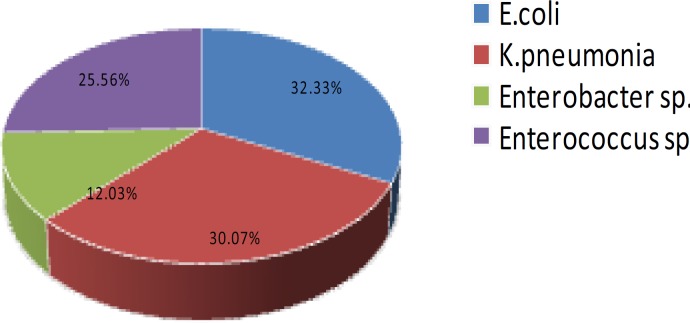
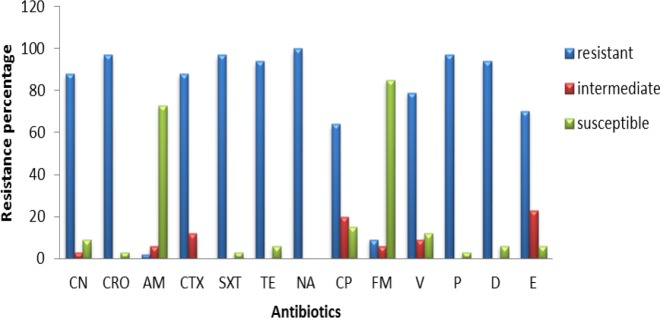
Materials and methods: Among 600 samples; those with ≥10,000 cfu/ml were selected as UTI positive samples. Enterococcus sp., Klebsiella pneumoniae, Enterobacter sp., and Escherichia coli were found the most prevalent UTI causative agents. All isolates were screened for multi drug resistance and subjected to the antimicrobial effects of three Lactobacillus strains by using microplate technique and the MICs amounts were determined. In order to verify the origin of antibiotic resistance of isolates, plasmid curing using ethidium bromide and acridine orange was carried out.
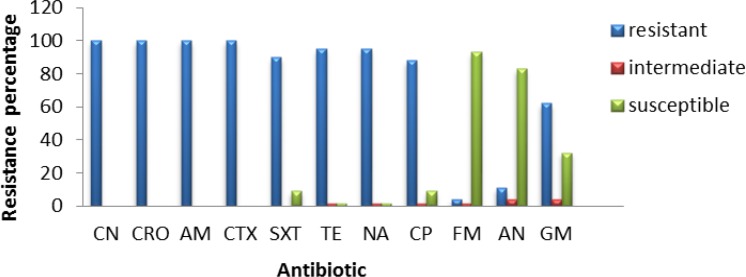
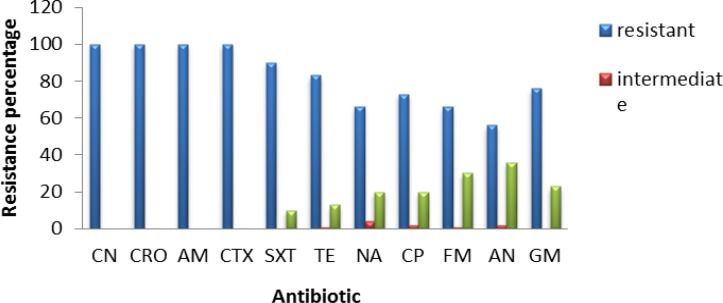
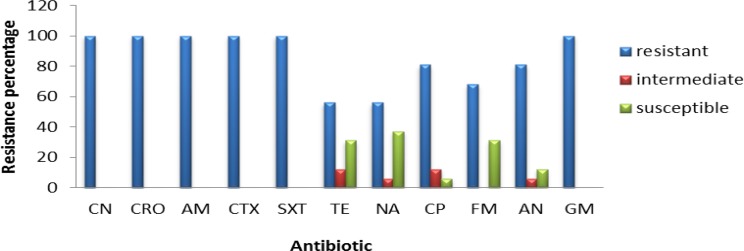
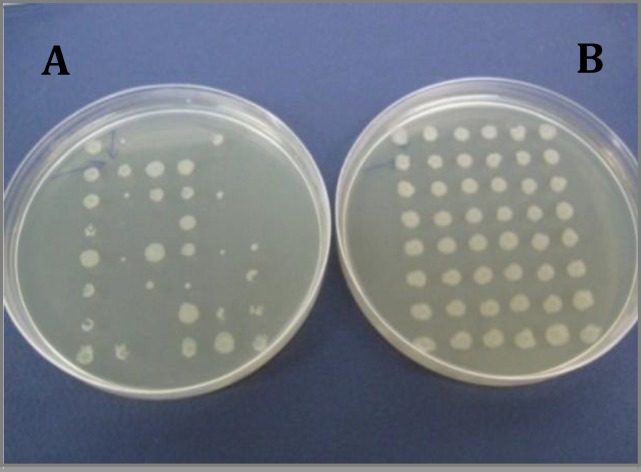
Results: No antagonistic activity in Lactobacilli suspension was detected against test on Enterococcus and Enterobacter strains and K. pneumoniae, which were resistant to most antibiotics. However, an inhibitory effect was observed for E. coli which were resistant to 8-9 antibiotics. In addition, L. casei was determined to be the most effective probiotic. RESULTS from replica plating suggested one of the plasmids could be related to the gene responsible for ampicillin resistance.
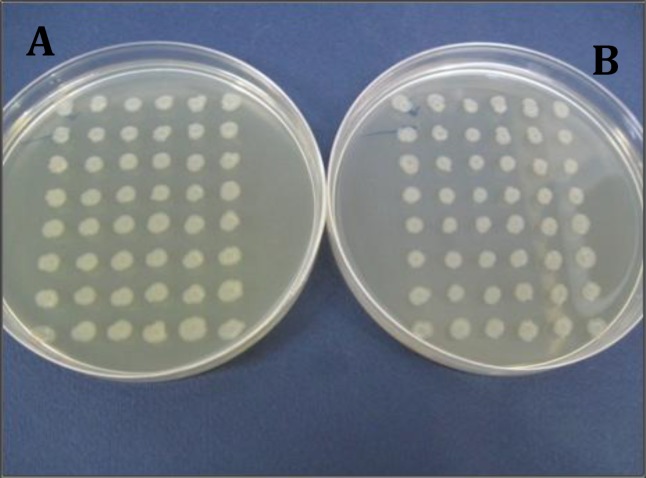
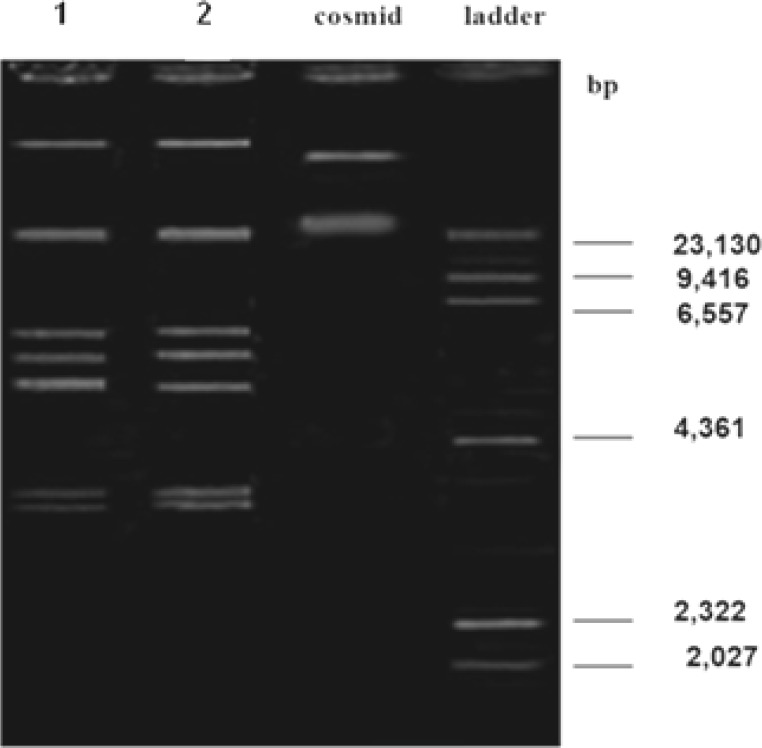
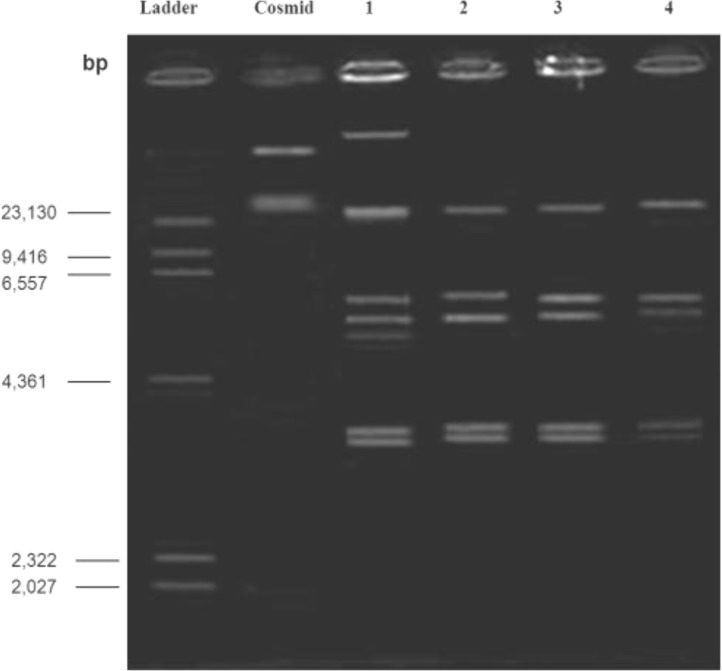
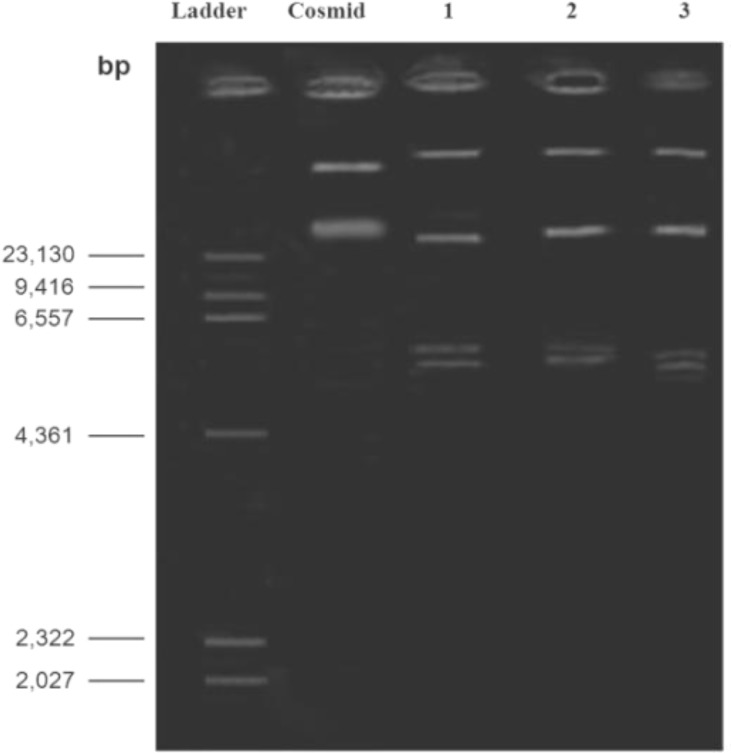
Conclusion: Treatment of E. coli with probiotic suspension was not effective on inhibition of the plasmid carrying hypothetical ampicillin resistant gene. Moreover, the plasmid profiles obtained from probiotic-treated isolates were identical to untreated isolates.
Keywords: Antibiotic resistance; Lactobacillus; Pathogenic bacteria; Probiotic; Urinary tract infection.
Figures
References
-
- Morgan MG, McKenzie H. Controversies in the laboratory diagnosis of community-acquired urinary tract infection. Eur J Clin Microbiol Infect Dis. 1993;12:491–504. - PubMed
-
- Stamm WE, Norrby SR. Urinary tract infections: disease panorama and challenges. J Infect Dis. 2001;183:S1–4. - PubMed
-
- Mandell GL, Bennett JE, Dolin R. Principles and practice of infectious diseases. Churchill Livingstone; 2005. pp. 430–4.
-
- Madigan MT, Martinko JM, Brock TD. Brock biology of microorganisms: Upper Saddle River. 11th ed. NJ: Pearson Prentice Hall; 2006. pp. 235–7.
LinkOut - more resources
Full Text Sources
Other Literature Sources
Medical