


The Prevalence of Polycystic Ovary Syndrome (PCOS) in High School Students in Rasht in 2009 According to NIH Criteria
- PMID: 24851175
- PMCID: PMC4023501
The Prevalence of Polycystic Ovary Syndrome (PCOS) in High School Students in Rasht in 2009 According to NIH Criteria
Abstract
Background: Polycystic ovary syndrome (PCOS) is the most common endocrine disorder in women associated with many reproductive, endocrine, metabolic and cardiovascular dysfunctions. This study aimed to determine the prevalence of PCOS among high school students in Rasht.
Materials and methods: In a cross-sectional study, 1850 students were selected by a multi-stage cluster sampling from all high schools in Rasht. The inclusion criteria were: age 17-18 years, menarche from 10-16 years, normal prolactin and thyroid stimulating hormone (TSH) values, no history of anatomical malformation, no use of medication or hair-removal techniques, and a history of oligo- or amenorrhea. PCOS was diagnosed if both menstrual dysfunction and clinical hyperandrogenism were detected.
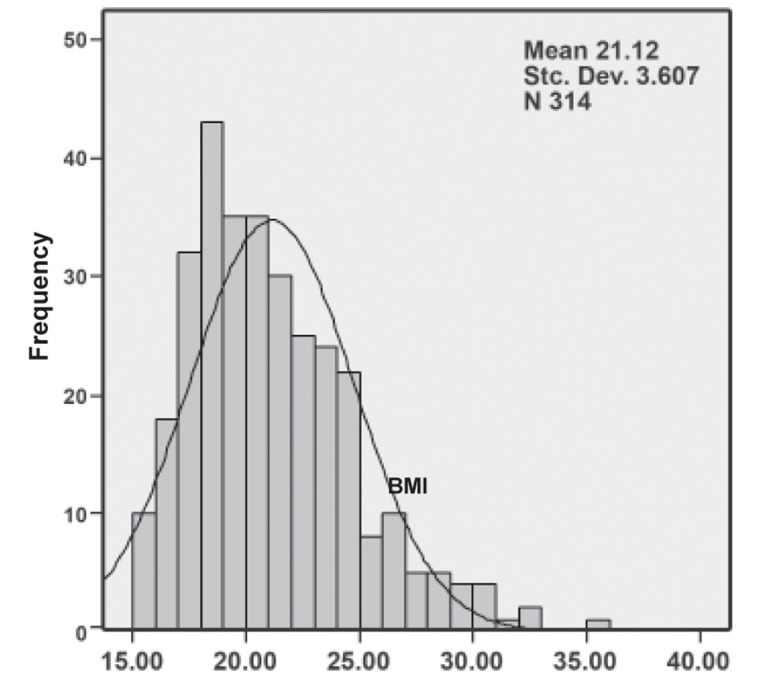
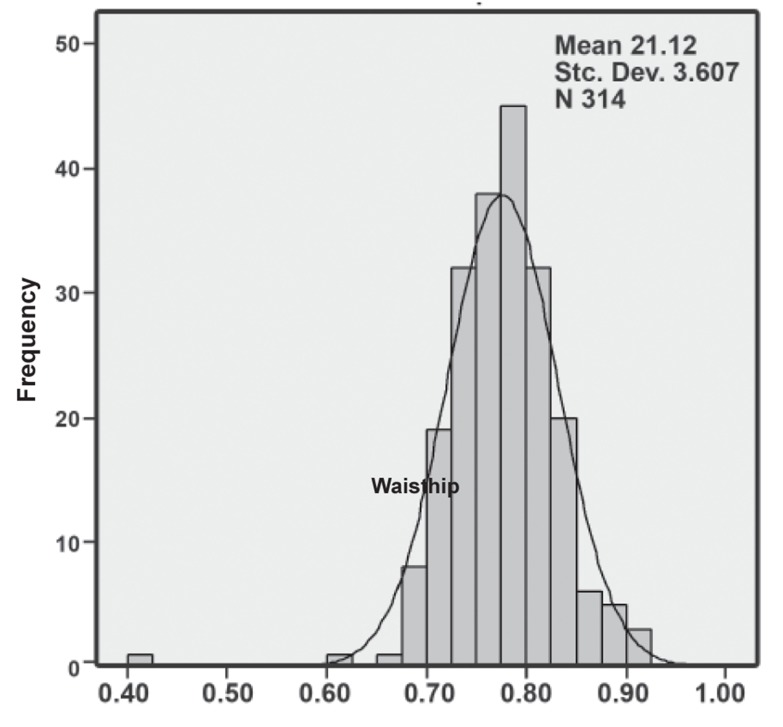
Results: Mean age of subjects was 17.2 ± 0.7 years and the age of menarche was 12.8 ± 0.9 years. Of all students, 378 (20.4%) had oligomenorrhea and PCOS was diagnosed in 210 (11.34 %) according to the National Institute of Health (NIH) definition. PCOS subjects, mean body mass index (BMI), waist circumference, and waist/hip (W/H) ratio were 21.1 ± 3.6, 73.4 ± 8.0 cm and 0.77 ± 0.05, respectively. A family history of diabetes mellitus type 2 was reported in 24.7% of subjects.
Conclusion: The prevalence of PCOS in this study was similar to the international estimates of 10-20% in Caucasians. A long-term follow-up is needed to compare the accuracy of clinical determination of the disease versus diagnosis based on hormonal and/or sonographic assessments.
Keywords: Acne; Amenorrhea; Hirsutism; Male Pattern Baldness; Oligomenorrhea; Polycystic Ovary Syndrome.
Figures
References
-
- Dunaif A, Givens L JR, Haseltine F, Merriam GR. The Polycystic Ovary Syndrome. 1st ed. Oxford: Blackwell Scientific; 1992. pp. 377–384.
-
- Ojaniemi M, Pugeat M. An adolescent with polycystic ovary syndrome. Eur J Endocrinol. 2006;155(suppl 1):s149–152.
-
- Zawadzki J, Dunaif A. Diagnostic criteria for polycystic ovary syndrome: towards a rational approach. In: Dunaif A, Givens JR, Haseltine FP, Merriam GR (editors), editors. Polycystic Ovary Syndrome. Oxford: Blackwell Scientific Publications; 1992. pp. 377–384.
-
- Hetch R, Rosenfi eld RH, Kim MH, Trendway D. Hirsutism: implications, etiology and management. Am J Obstet Gynecol. 1981;140(7):815–830. - PubMed
-
- Lookingbill DP, Demers LM, Wang C, Leung A, Rittmaster RS, Santen RJ. Clinical and biochemical parameters of androgen action in normal healthy Caucasian versus Chinese subjects. J Clin Endocrinol Metab. 1991;72(6):1242–1248. - PubMed
LinkOut - more resources
Full Text Sources