


Comparison of high vs. normal/low protein diets on renal function in subjects without chronic kidney disease: a systematic review and meta-analysis
- PMID: 24852037
- PMCID: PMC4031217
- DOI: 10.1371/journal.pone.0097656
Comparison of high vs. normal/low protein diets on renal function in subjects without chronic kidney disease: a systematic review and meta-analysis
Abstract
Background: It was the aim of the present systematic review and meta-analysis to investigate the effects of high protein (HP) versus normal/low protein (LP/NP) diets on parameters of renal function in subjects without chronic kidney disease.
Methods: Queries of literature were performed using the electronic databases MEDLINE, EMBASE, and the Cochrane Trial Register until 27th February 2014. Study specific weighted mean differences (MD) were pooled using a random effect model by the Cochrane software package Review Manager 5.1.
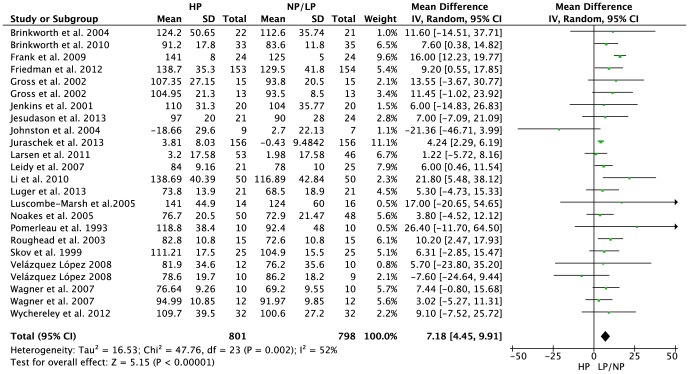
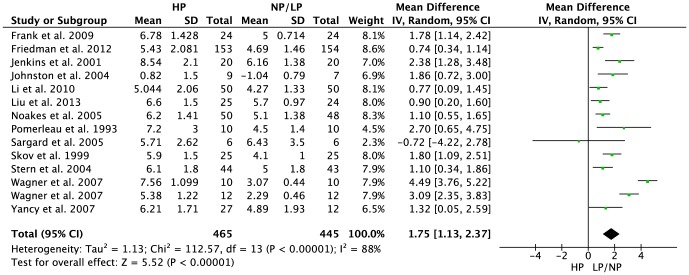
Findings: 30 studies including 2160 subjects met the objectives and were included in the meta-analyses. HP regimens resulted in a significantly more pronounced increase in glomerular filtration rate [MD: 7.18 ml/min/1.73 m2, 95% CI 4.45 to 9.91, p<0.001], serum urea [MD: 1.75 mmol/l, 95% CI 1.13 to 237, p<0.001], and urinary calcium excretion [MD: 25.43 mg/24h, 95% CI 13.62 to 37.24, p<0.001] when compared to the respective LP/NP protocol.
Conclusion: HP diets were associated with increased GFR, serum urea, urinary calcium excretion, and serum concentrations of uric acid. In the light of the high risk of kidney disease among obese, weight reduction programs recommending HP diets especially from animal sources should be handled with caution.
Conflict of interest statement
Figures
References
-
- Food and Nutrition Board IoM (2002) Dietary reference intakes for energy, carbohydrates, fiber, fatty acids, cholesterol, protein, and amino acids (macronutrients). In: Washington DNAP, editor. pp. 207–264.
-
- Adam-Perrot A, Clifton P, Brouns F (2006) Low-carbohydrate diets: nutritional and physiological aspects. Obes Rev 7: 49–58. - PubMed
-
- Crowe TC (2005) Safety of low-carbohydrate diets. Obes Rev 6: 235–245. - PubMed
Publication types
MeSH terms
Substances
LinkOut - more resources
Full Text Sources
Other Literature Sources
Medical
Research Materials
Miscellaneous
