Review
. 2014 May 24;383(9931):1844-59.
doi: 10.1016/S0140-6736(14)60659-0.

Rare inherited kidney diseases: challenges, opportunities, and perspectives

Collaborators, Affiliations
Review

Rare inherited kidney diseases: challenges, opportunities, and perspectives

Olivier Devuyst et al. Lancet. .

Abstract

At least 10% of adults and nearly all children who receive renal-replacement therapy have an inherited kidney disease. These patients rarely die when their disease progresses and can remain alive for many years because of advances in organ-replacement therapy. However, these disorders substantially decrease their quality of life and have a large effect on health-care systems. Since the kidneys regulate essential homoeostatic processes, inherited kidney disorders have multisystem complications, which add to the usual challenges for rare disorders. In this review, we discuss the nature of rare inherited kidney diseases, the challenges they pose, and opportunities from technological advances, which are well suited to target the kidney. Mechanistic insights from rare disorders are relevant for common disorders such as hypertension, kidney stones, cardiovascular disease, and progression of chronic kidney disease.


Figures

Figure 1
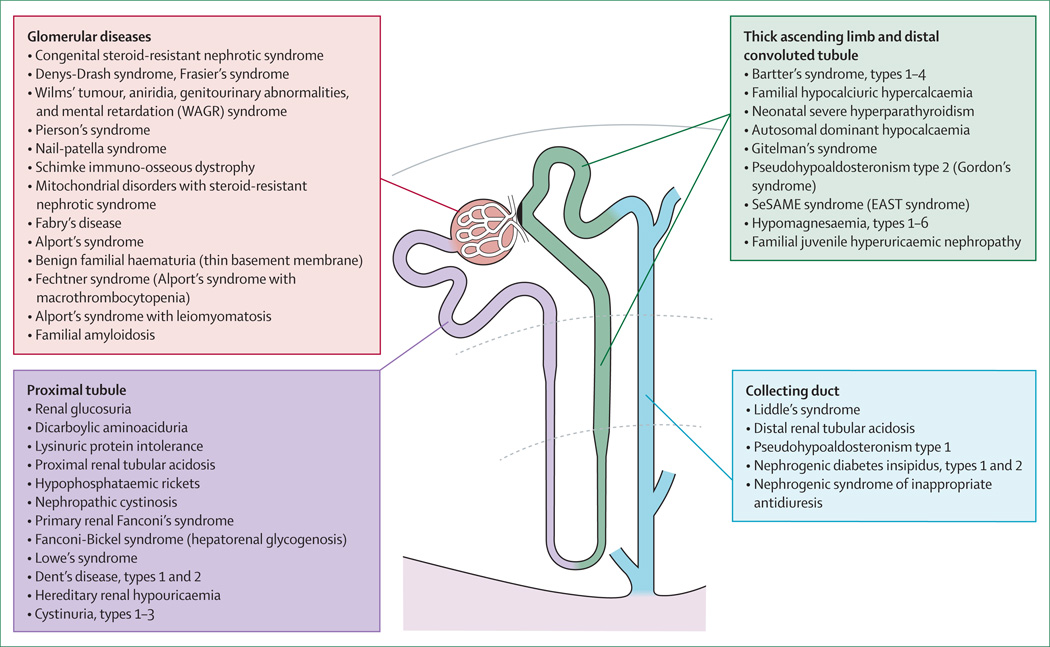
Figure 1. Inherited kidney disorders linked to nephron segments
Shows the segmental distribution of rare inherited diseases of the kidney (does not include cystic and developmental disorders). Urinalysis might point to the segmental origin of some kidney disorders. For example, glomerular diseases are usually characterised by albuminuria and dysmorphic red blood cells in urine; disorders of the proximal tubule by inappropriate urinary loss of low-molecular-weight proteins (eg, Clara Cell protein, β2-microglobulin, and vitamin D-binding protein), aminoacids, glucose, phosphate, uric acid, and calcium; disorders of the thick ascending limb by hypercalciuria and urinary concentrating defects; disorders of the distal convoluted tubule by inappropriate urinary loss of magnesium; and disorders of the collecting duct by inappropriate urinary concentration or dilution and defective potassium handling.
Figure 2
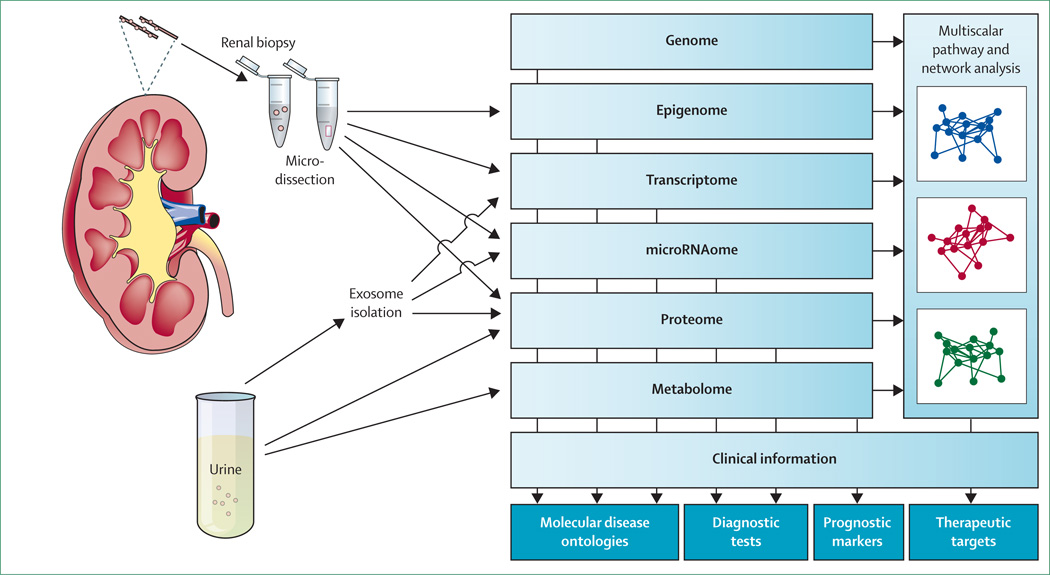
Figure 2. Application of omics technologies in rare kidney diseases
Next-generation sequencing techniques and omics technologies, which can directly probe the kidney, will improve diagnostic efficiency for genetic renal diseases. Genomic studies and molecular profiling of kidney tissues, plain and exosome-enriched urine, and multiscalar bioinformatic analysis of crucial disease pathways, will allow the development of mechanistic renal disease ontologies, diagnostic tests, biomarkers, and novel therapeutic targets.
Figure 3
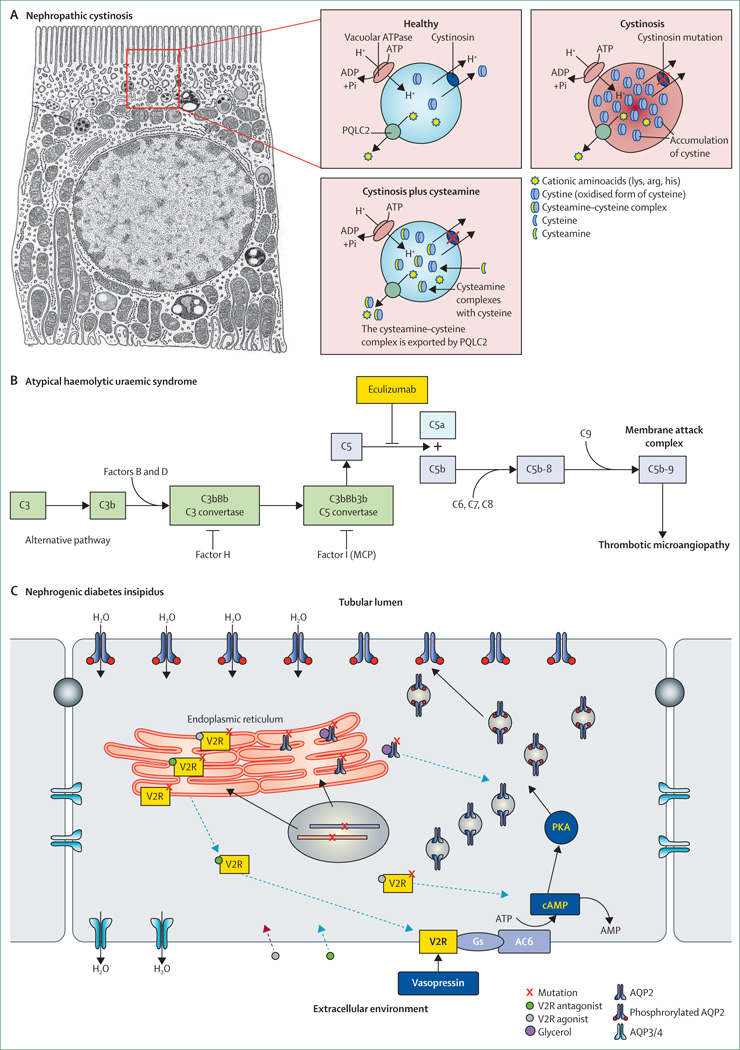
Figure 3. Examples of molecular targets in rare inherited kidney diseases
(A) Cystinosis is caused by defective cystinosin, a ubiquitous lysosomal proton-driven cystine transporter working in parallel with the vacuolar H+–ATPase. In patients with cystinosis, the loss of function of cystinosin causes cystine to accumulate in lysosomes (shown here in a proximal tubule cell). Cysteamine reduces the accumulation of cysteine by entering lysosomes and forming a cysteamine–cysteine complex, which resembles lysine and can be exported by PQLC2. Modified from Jézégou and colleagues. (B) Patients with haemolytic uraemic syndrome have uncontrolled complement activation due to deficiency of natural complement regulatory factors. Eculizumab is a humanised monoclonal antibody that inhibits the cleavage of the complement protein C5, blocking complement activation and complement-mediated thrombotic microangiopathy in patients with haemolytic uraemic syndrome. Patients with haemolytic uraemic syndrome due to recessive mutations in DGKE, which is not associated with activation of the complement system, do not respond to eculizumab or plasma exchange. Modified from Noris and colleagues. (C) In the principal cells that line the collecting ducts, stimulation of the vasopressin-2 receptor (V2R) by vasopressin leads to an increase in cAMP, causing a protein kinase A (PKA)-mediated phosphorylation of AQP2 and their insertion into the apical plasma membrane. The resulting increase in transcellular water permeability mediates concentration of urine. Most mutations in AVPR2 (X-chromosome-linked nephrogenic diabetes insipidus) and AQP2 (autosomal recessive nephrogenic diabetes insipidus) result in misfolded V2R and AQP2 mutations in the endoplasmic reticulum (class 2 mutations). Pharmacological chaperones (eg, glycerol) can rescue such class 2 mutant proteins from the endoplasmic reticulum. Cell-permeable V2R antagonists stabilise the structure of mutant V2R and allow them to exit the endoplasmic reticulum and translocate to the basolateral plasma membrane. At the membrane, vasopressin will displace the antagonist and allow restoration of the cAMP cascade. This action of V2R antagonists can depend on V2R mutation. V2R agonists function similarly and might also stimulate misfolded V2R in the endoplasmic reticulum without inducing maturation. Mutant AQP2 can be rescued from the endoplasmic reticulum by glycerol. Modified from Robben and colleagues.

References

    1. Schieppati A, Henter JI, Daina E, Aperia A. Why rare diseases are an important medical and social issue. Lancet. 2008;371:2039–2041. - PubMed
    1. Hayashi S, Umeda T. 35 years of Japanese policy on rare diseases. Lancet. 2008;372:889–890. - PubMed
    1. Liu BC, He L, He G, He Y. A cross-national comparative study of orphan drug policies in the United States, the European Union, and Japan: towards a made-in-China orphan drug policy. J Public Health Policy. 2010;31:407–420. - PubMed
    1. Soliman NA. Orphan Kidney Diseases. Nephron Clin Pract. 2012;120:c194–c199. - PubMed
    1. [accessed March 31, 2014];Orphanet Report Series: Prevalence of rare diseases. 2013 Nov; http://www.orpha.net/orphacom/cahiers/docs/GB/Prevalence_of_rare_disease....