Cell senescence: role in aging and age-related diseases
- PMID: 24862014
- PMCID: PMC4211612
- DOI: 10.1159/000358899
Cell senescence: role in aging and age-related diseases
Abstract
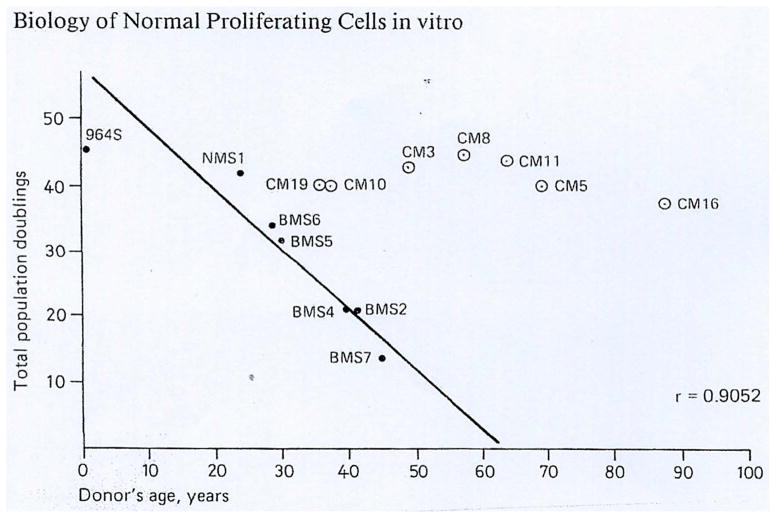
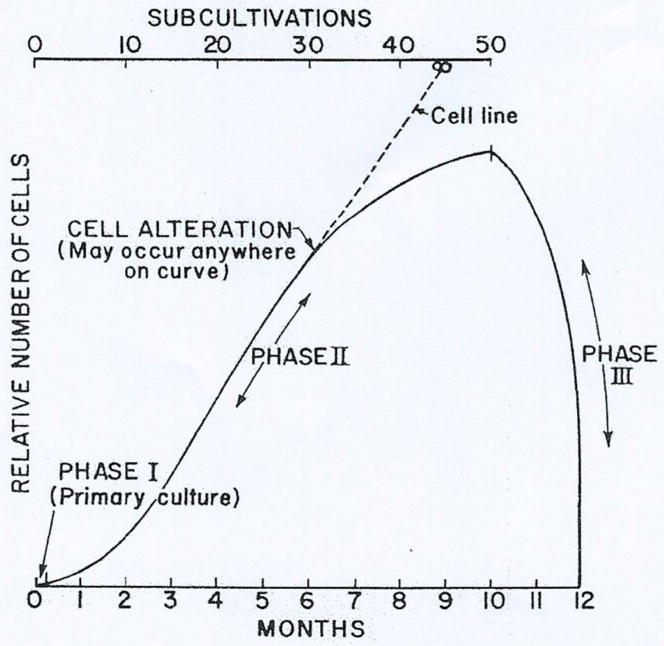
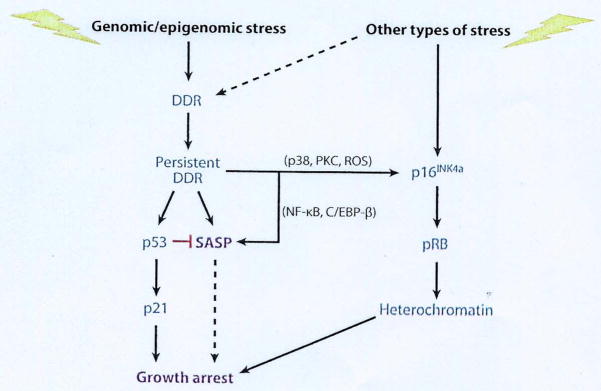
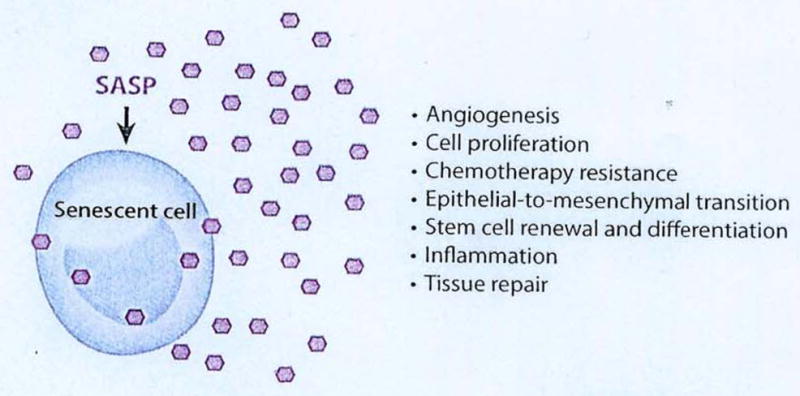
Cell senescence is one of the major paradigms of aging research. It started with the demonstration by L. Hayflick of the limited number of divisions by normal, nontransformed cells, not shown by transformed malignant cells, this processes being largely regulated by the telomere-telomerase system. A complete renewal of this discipline came from the demonstration that cells can enter senescence at any time by an anti-oncogene-triggered pathway, enabling them to escape malignancy. The senescent cell became a major actor of the aging process, among others, by the acquisition of the senescence-associated secretory phenotype. This chapter is devoted to the regulatory process involved in the acquisition of the senescent cell phenotype and its role in organismal aging.
Figures
References
-
- Hayflick L. The limited in vitro lifetime of human diploid cell strains. Exper. Cell Res. 1965;37:614–636. - PubMed
-
- Hayflick L. Aging under glass. Exp Gerontol. 1970;5:291–303. - PubMed
-
- Hayflick L. The cellular basis for biological aging. In: Finch Caleb E, Hayflick Leonard., editors. Handbook of the Biology of Aging. VNR; New York: 1977. pp. 159–186.
-
- Macieira-Coelho . Relevance for in vivo Aging. Karger; Basel: 1988. A Biology of Normal Proliferating Cells in vitro.
-
- Hayflick L. The role of telomeres and telomerase in aging and longevity determination. In: Matson Mark P., editor. Telomerase, aging and disease. Vol. 8. 2001. pp. 185–198. Advances in cell aging and disease.
Publication types
MeSH terms
Grants and funding
LinkOut - more resources
Full Text Sources
Other Literature Sources