Host genetic factors in American cutaneous leishmaniasis: a critical appraisal of studies conducted in an endemic area of Brazil
- PMID: 24863979
- PMCID: PMC4131779
- DOI: 10.1590/0074-0276140028
Host genetic factors in American cutaneous leishmaniasis: a critical appraisal of studies conducted in an endemic area of Brazil
Abstract
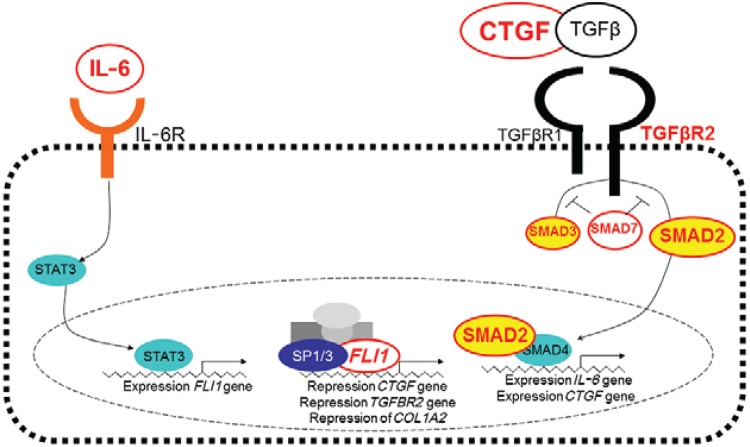
American cutaneous leishmaniasis (ACL) is a vector-transmitted infectious disease with an estimated 1.5 million new cases per year. In Brazil, ACL represents a significant public health problem, with approximately 30,000 new reported cases annually, representing an incidence of 18.5 cases per 100,000 inhabitants. Corte de Pedra is in a region endemic for ACL in the state of Bahia (BA), northeastern Brazil, with 500-1,300 patients treated annually. Over the last decade, population and family-based candidate gene studies were conducted in Corte de Pedra, founded on previous knowledge from studies on mice and humans. Notwithstanding limitations related to sample size and power, these studies contribute important genetic biomarkers that identify novel pathways of disease pathogenesis and possible new therapeutic targets. The present paper is a narrative review about ACL immunogenetics in BA, highlighting in particular the interacting roles of the wound healing gene FLI1 with interleukin-6 and genes SMAD2 and SMAD3 of the transforming growth factor beta signalling pathway. This research highlights the need for well-powered genetic and functional studies on Leishmania braziliensis infection as essential to define and validate the role of host genes in determining resistance/susceptibility regarding this disease.
Figures
References
-
- Ajdary S, Ghamilouie MM, Alimohammadian MH, Hosseini M, Pakzad SR. Lack of association of Toll-like receptor 2 Arg753Gln with cutaneous leishmaniasis. Parasitol Int. 2010;59:466–468. - PubMed
-
- Ajdary S, Ghamilouie MM, Alimohammadian MH, Riazi-Rad F, Pakzad SR. Toll-like receptor 4 polymorphisms predispose to cutaneous leishmaniasis. Microbes Infect. 2011;13:226–231. - PubMed
-
- Alexander J, Blackwell JM. Riou JA. Leishmania, taxonomie et phylogenese: application éco-épidemiologiques. Institut Méditerranée d’Etudes Epidémiologiques et Ecologiques; Montpellier: 1986. The immunological significance of genetically determined cross reactivity between taxonomically distinct Leishmania species; pp. 185–191.
-
- Asano Y. Future treatments in systemic sclerosis. J Dermatol . 2010;37:54–70. - PubMed
Publication types
MeSH terms
Substances
Grants and funding
LinkOut - more resources
Full Text Sources
Other Literature Sources