


Histamine2-receptor antagonists: Rapid development of tachyphylaxis with repeat dosing
- PMID: 24868486
- PMCID: PMC4023325
- DOI: 10.4292/wjgpt.v5.i2.57
Histamine2-receptor antagonists: Rapid development of tachyphylaxis with repeat dosing
Abstract
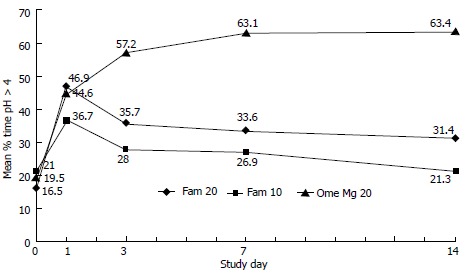
Histamine2-receptor antagonists (H2RAs) are available over-the-counter (OTC) for the treatment and prevention of heartburn, but more than occasional, single-dose use can lead to rapid development of tachyphylaxis. The aim of this review is to assess the published evidence regarding the development of tachyphylaxis with repeat usage of H2RAs. PubMed and SCOPUS were searched across all years to identify clinical studies that examined the development of tachyphylaxis with repeated dosing of H2RAs. Although a single (first) dose of an H2RA can be effective for controlling gastric acid and preventing or relieving food-related heartburn, numerous studies confirm that tachyphylaxis, also known as tolerance, is consistently detected at the first time point assessed after the first dose, including the second day and/or second dose. Even if symptom relief is achieved with an H2RA, it may be due to desensitization of the esophagus to acid exposure, potentially providing symptom relief without significantly decreasing esophageal acid exposure. When recommending OTC drugs for treatment of frequent heartburn, clinicians should be aware of the potential for rapid development of tachyphylaxis in patients who use H2RAs for 2 or more consecutive days. Even if symptom relief is achieved, it may be due to desensitization of the esophagus to acid by the H2RA, potentially providing symptom relief without significantly decreasing esophageal acid exposure. Other strategies, such as an OTC proton pump inhibitor, may be needed to optimize management of frequent heartburn.
Keywords: Gastric pH; Histamine2-receptor antagonist; Tachyphylaxis; Tolerance.
Figures
References
-
- Eisen G. The epidemiology of gastroesophageal reflux disease: what we know and what we need to know. Am J Gastroenterol. 2001;96:S16–S18. - PubMed
-
- Shaker R, Castell DO, Schoenfeld PS, Spechler SJ. Nighttime heartburn is an under-appreciated clinical problem that impacts sleep and daytime function: the results of a Gallup survey conducted on behalf of the American Gastroenterological Association. Am J Gastroenterol. 2003;98:1487–1493. - PubMed
-
- Moayyedi P, Axon AT. Review article: gastro-oesophageal reflux disease--the extent of the problem. Aliment Pharmacol Ther. 2005;22 Suppl 1:11–19. - PubMed
-
- El-Serag HB. Time trends of gastroesophageal reflux disease: a systematic review. Clin Gastroenterol Hepatol. 2007;5:17–26. - PubMed
Publication types
LinkOut - more resources
Full Text Sources
Other Literature Sources
