


A review on antibacterial, antiviral, and antifungal activity of curcumin
- PMID: 24877064
- PMCID: PMC4022204
- DOI: 10.1155/2014/186864
A review on antibacterial, antiviral, and antifungal activity of curcumin
Abstract
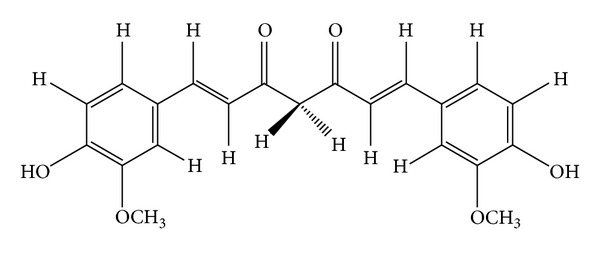
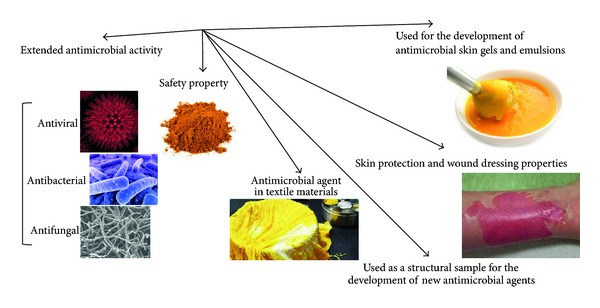
Curcuma longa L. (Zingiberaceae family) and its polyphenolic compound curcumin have been subjected to a variety of antimicrobial investigations due to extensive traditional uses and low side effects. Antimicrobial activities for curcumin and rhizome extract of C. longa against different bacteria, viruses, fungi, and parasites have been reported. The promising results for antimicrobial activity of curcumin made it a good candidate to enhance the inhibitory effect of existing antimicrobial agents through synergism. Indeed, different investigations have been done to increase the antimicrobial activity of curcumin, including synthesis of different chemical derivatives to increase its water solubility as well ass cell up take of curcumin. This review aims to summarize previous antimicrobial studies of curcumin towards its application in the future studies as a natural antimicrobial agent.
Figures
References
-
- Ammon HPT, Wahl MA. Pharmacology of Curcuma longa . Planta Medica. 1991;57(1):1–7. - PubMed
-
- Lai PK, Roy J. Antimicrobial and chemopreventive properties of herbs and spices. Current Medicinal Chemistry. 2004;11(11):1451–1460. - PubMed
-
- Maheshwari RK, Singh AK, Gaddipati J, Srimal RC. Multiple biological activities of curcumin: a short review. Life Sciences. 2006;78(18):2081–2087. - PubMed
-
- Hayakawa H, Minanyia Y, Ito K, Yamamoto Y, Fukuda T. Difference of curcumin content in Curcuma longa L., (Zingiberaceae) caused by Hybridization with other Curcuma species. American Journal of Plant Sciences. 2011;2(2):111–119.
Publication types
MeSH terms
Substances
LinkOut - more resources
Full Text Sources
Other Literature Sources
Medical
Molecular Biology Databases
Miscellaneous
