


Systematic review and meta-analysis of distraction and hypnosis for needle-related pain and distress in children and adolescents
- PMID: 24891439
- PMCID: PMC4138805
- DOI: 10.1093/jpepsy/jsu029
Systematic review and meta-analysis of distraction and hypnosis for needle-related pain and distress in children and adolescents
Abstract
Objective: To systematically review the evidence (and quality) for distraction and hypnosis for needle-related pain and distress in children and adolescents. To explore the effects of distraction characteristics (e.g., adult involvement, type of distracter), child age, and study risk of bias on treatment efficacy.
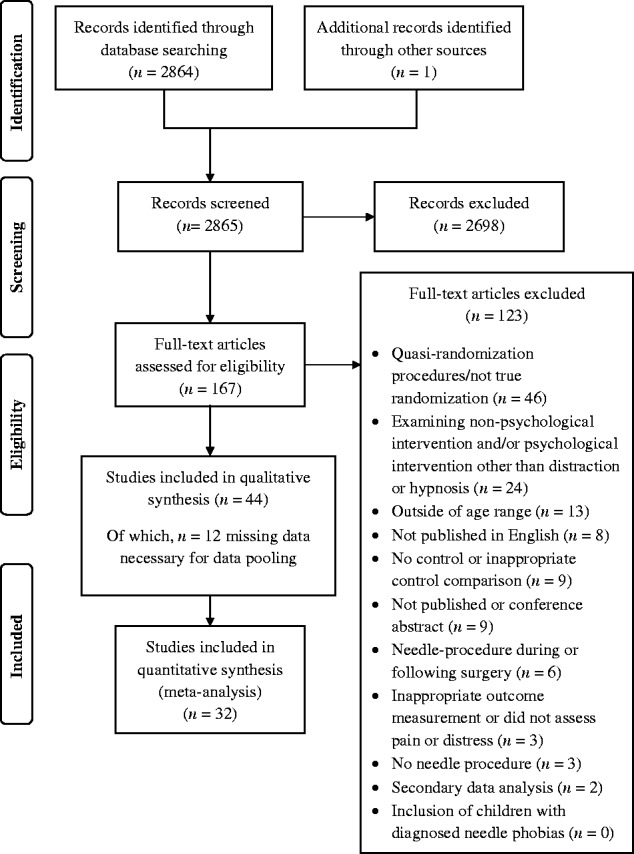
Methods: 26 distraction and 7 hypnosis trials were included and self-report, observer-report, and behavioral pain intensity and distress examined. Distraction studies were coded for 4 intervention characteristics, and all studies coded for child age and study risk of bias.
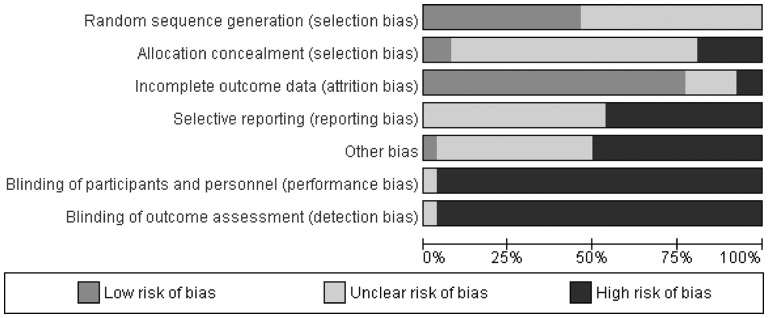
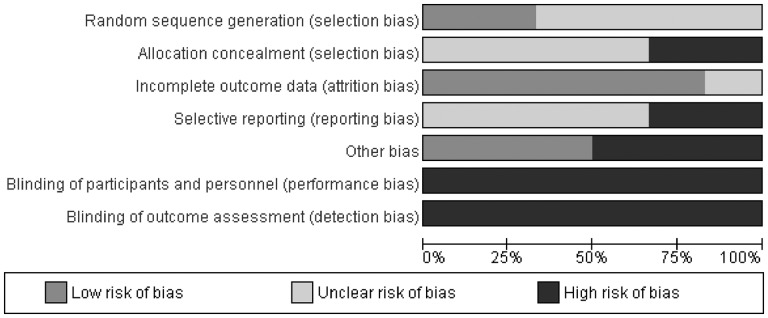
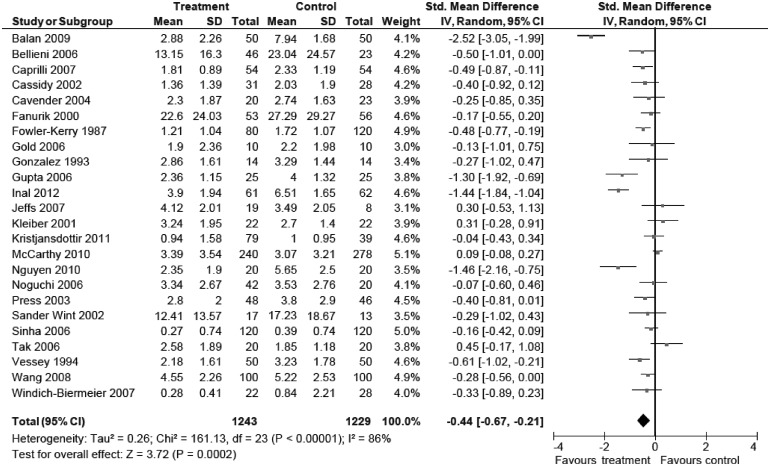
Results: Findings showed strong support for distraction and hypnosis for reducing pain and distress from needle procedures. The quality of available evidence was low, however. Characteristics of distraction interventions, child age, and study risk of bias showed some influence on treatment efficacy.
Conclusions: Distraction and hypnosis are efficacious in reducing needle-related pain and distress in children. The quality of trials in this area needs to be improved.
Keywords: distraction; distress; empirically supported treatments; hypnosis; needles; pain; randomized controlled trials.
© The Author 2014. Published by Oxford University Press on behalf of the Society of Pediatric Psychology. All rights reserved. For permissions, please e-mail: journals.permissions@oup.com.
Figures
References
-
- Accardi M C, Milling L S. The effectiveness of hypnosis for reducing procedure-related pain in children and adolescents: A comprehensive methodological review. Journal of Behavioral Medicine. 2009;32:328–339. - PubMed
-
- Altman D G, Schulz K F, Moher D, Egger M, Davidoff F, Elbourne D, Gøtzsche P C, Lang T CONSORT GROUP (Consolidated Standards of Reporting Trials) The revised CONSORT statement for reporting randomized trials: Explanation and elaboration. Annals of Internal Medicine. 2001;134:663–694. - PubMed
-
- American Academy of Pediatrics. American academy of pediatrics. 2013 Retrieved from www.aap.org. Retrieved October 8, 2013.
-
- Balan R, Bavdekar S B, Jadhav S. Can Indian classical instrumental music reduce pain felt during venepuncture? Indian Journal of Pediatrics. 2009;76:469–473. - PubMed
Publication types
MeSH terms
Grants and funding
LinkOut - more resources
Full Text Sources
Other Literature Sources
Medical
Molecular Biology Databases
