Diagnostic value of magnetic resonance cholangiopancreatography for secondary common bile duct stones compared with laparoscopic trans-cystic common bile duct exploration
- PMID: 24894946
- PMCID: PMC4061148
- DOI: 10.12659/MSM.890831
Diagnostic value of magnetic resonance cholangiopancreatography for secondary common bile duct stones compared with laparoscopic trans-cystic common bile duct exploration
Abstract
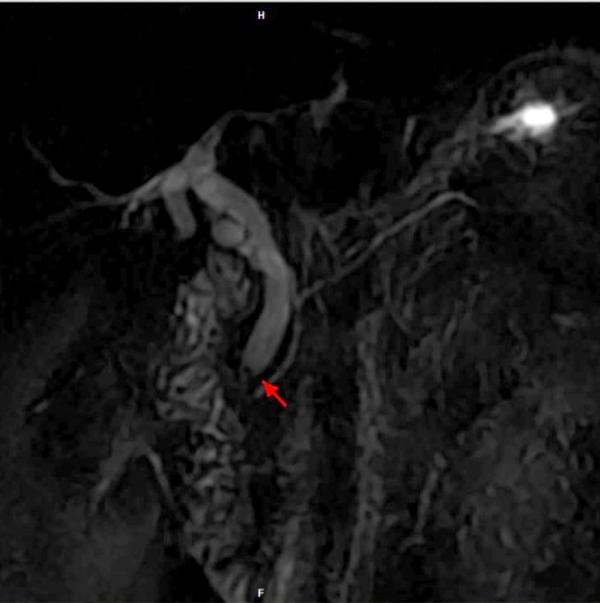
Background: The aim of this study was to evaluate the diagnostic potential of magnetic resonance cholangiopancreatography (MRCP) in preoperative patients with secondary common bile duct stones during the application of laparoscopic trans-cystic common bile duct exploration (LTCBDE).
Material and methods: The clinical records of 255 patients were retrospectively analyzed. All patients included in the study were examined by MRCP 3 days prior to LTCBDE.
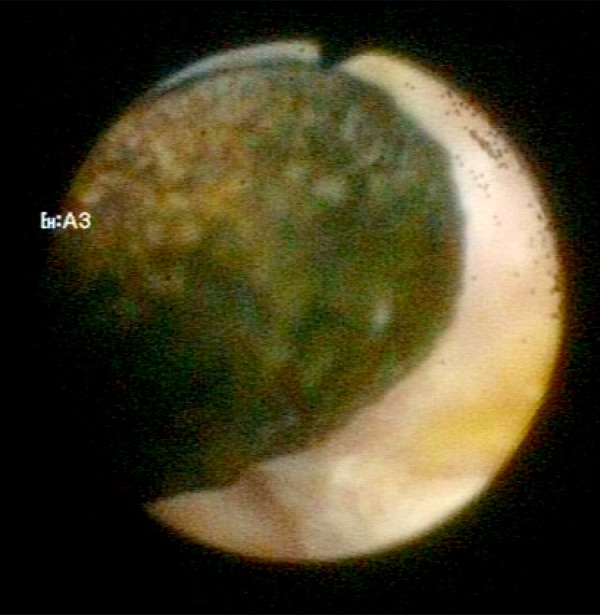
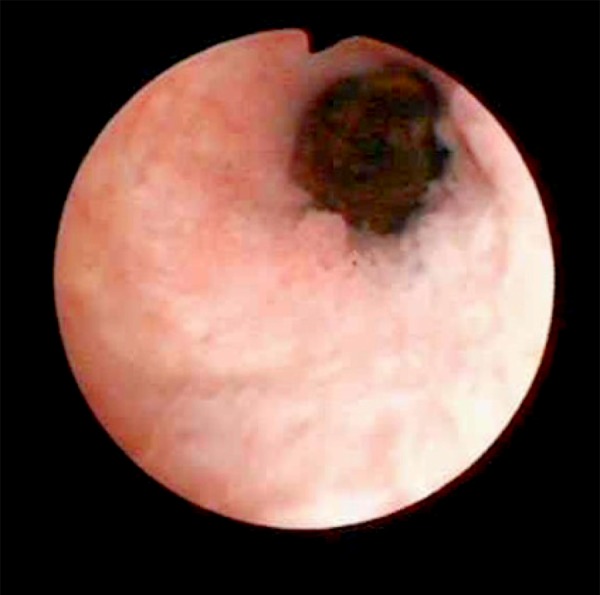
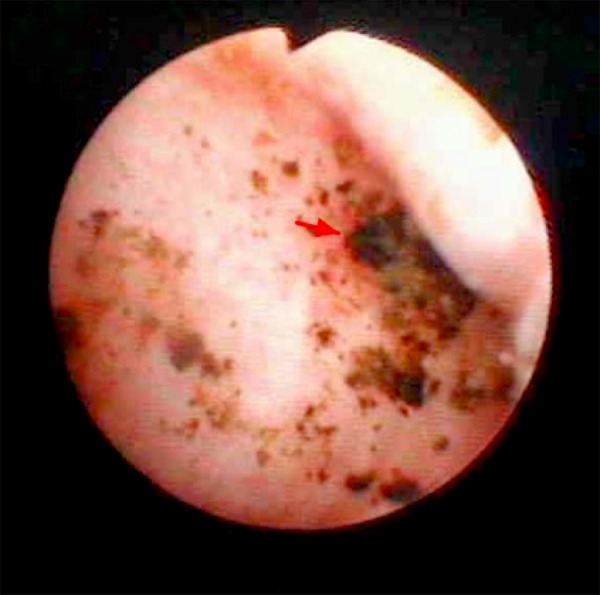
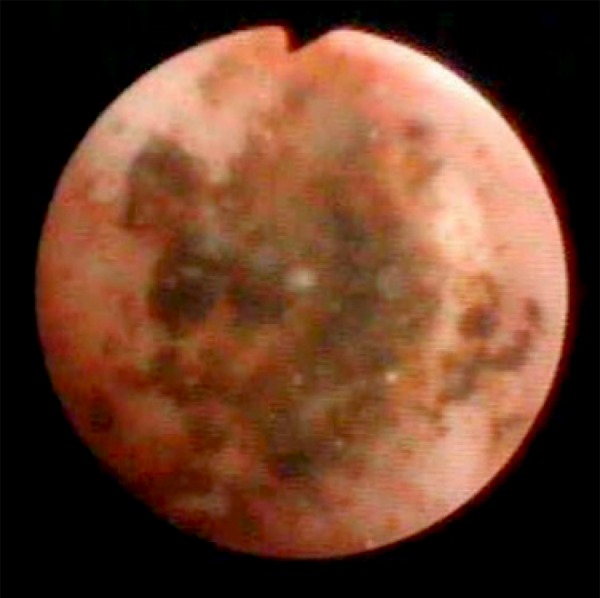
Results: Secondary bile duct stones were detected in 220 patients using LTCBDE. Of the patients diagnosed by MRCP, 141 were true-positive, 28 were true-negative, 7 were false-positive and 79 were false-negative. The sensitivity, specificity, accuracy, positive predictive value, and negative predictive value of MRCP for secondary common bile duct stones were 64.09%, 80.00%, 66.27%, 95.27%, and 26.17%, respectively. When the cases with muddy stones were excluded, the outcomes were 80.41%, 79.41%, 69.23%, 94.44%, and 48.21%, respectively. When cases with stones <3 mm (inclusive) in diameter were excluded, the outcomes were 93.75%, 79.41%, 86.27%, 93.75%, and 65.85%, respectively. When cases with stones <5 mm (inclusive) in diameter were excluded, the outcomes were 93.10%, 79.41%, 89.26%, 92.05%, and 81.82%, respectively.
Conclusions: The effectiveness of preoperative MRCP is overestimated for the diagnosis of secondary common bile duct stones, particularly for muddy and micro-stones.
Figures
References
-
- Bilzhartz LE, Horton JD. Gallstone disease and its complications. In: Feldeman M, Scharschmidt BF, Sleizenger MH, editors. Sleizenger and Fordtran’s Gastrointestinal and Liver Disease: Pathophysiology, Diagnosis, Management. Philadelphia: WB Sauders Company; 1998. pp. 948–72.
-
- Ellison EC. One-stage treatment for CBDS discovered during laparoscopic cholecystectomy is not practical: Comment on “Treatment for retrieved common bile duct stones during laparoscopic cholecystectomy”. Arch Surg. 2010;145(12):1145–49. - PubMed
-
- Azary SY, Kalbasi H, Setayesh A, et al. Predictive value and main determinants of abnormal features of intraoperative cholangiography during cholecystectomy. Hepatobiliary Pancreat Dis Int. 2011;10(3):308–12. - PubMed
-
- Bret PM, Reinhold C. Magnetic resonance cholangiopancreatography. Endoscopy. 1997;29(6):472–86. - PubMed
-
- Stiris MG, Tennøe B, Aadland E, Lunde OC. MR cholangiopancreaticography and endoscopic retrograde cholangiopancreaticography in patients with suspected common bile duct stones. Acta Radiol. 2000;41(3):269–72. - PubMed
Publication types
MeSH terms
LinkOut - more resources
Full Text Sources
Other Literature Sources