


Chemical Probe Identification Platform for Orphan GPCRs Using Focused Compound Screening: GPR39 as a Case Example
- PMID: 24900608
- PMCID: PMC4027148
- DOI: 10.1021/ml400275z
Chemical Probe Identification Platform for Orphan GPCRs Using Focused Compound Screening: GPR39 as a Case Example
Abstract
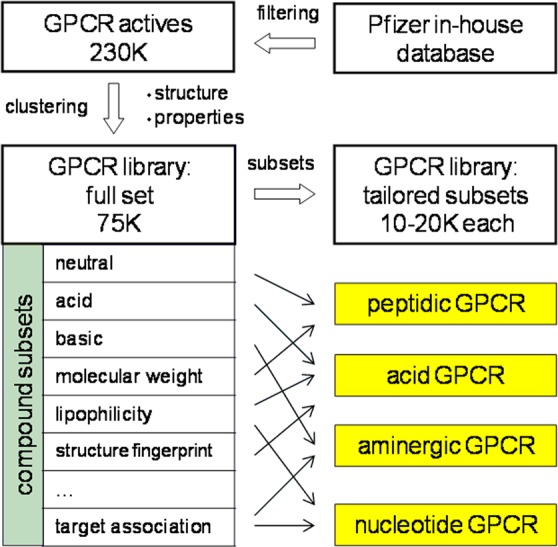
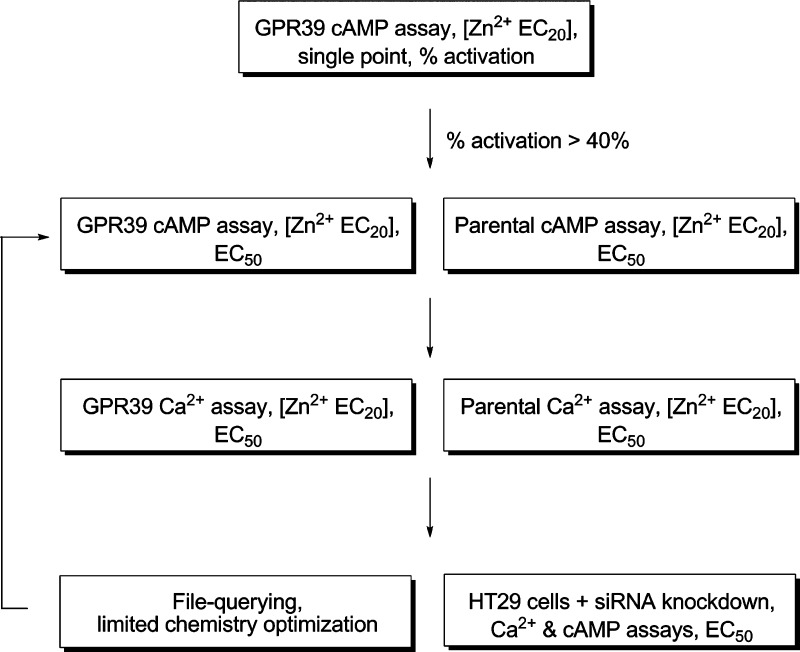
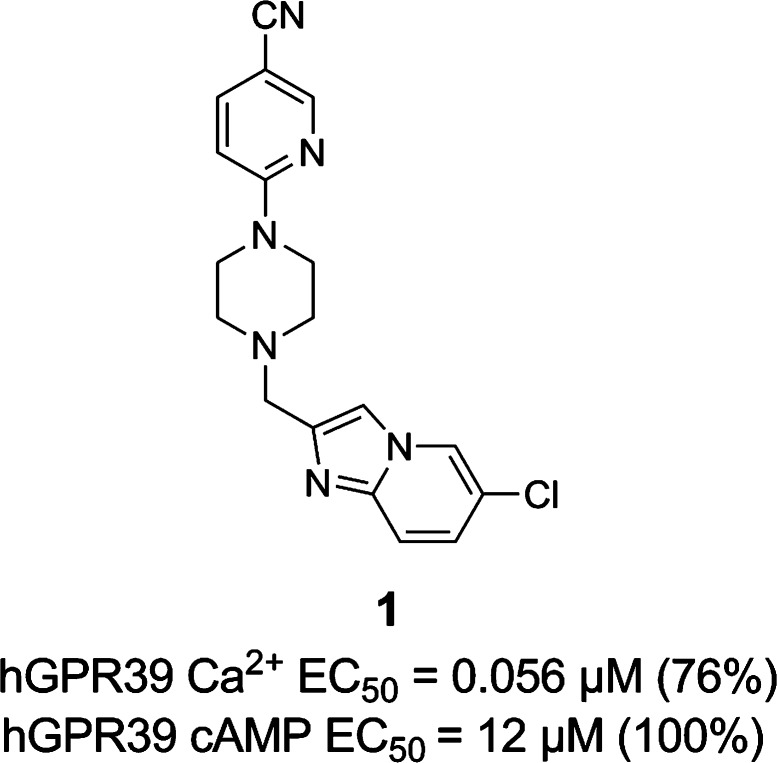
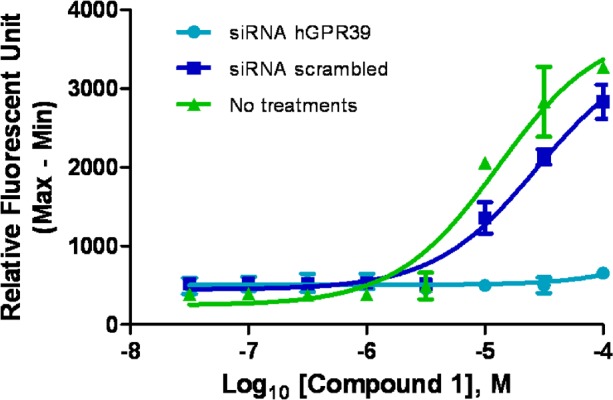
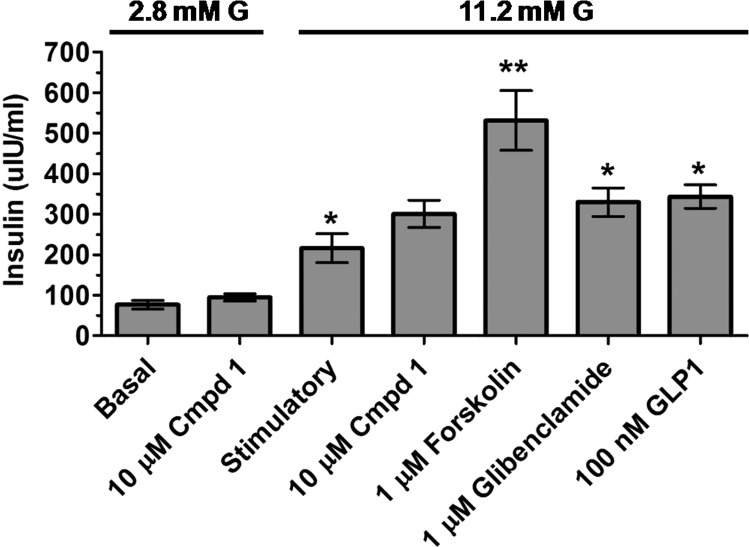
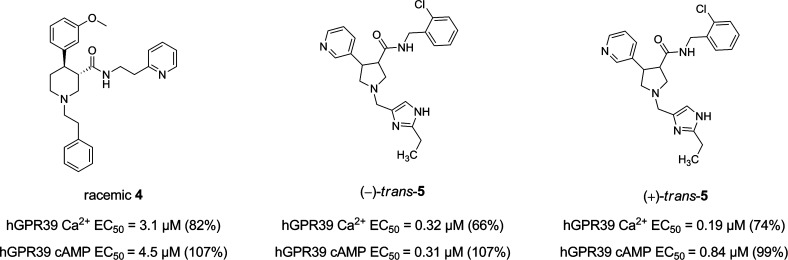
Orphan G protein-coupled receptors (oGPCRs) are a class of integral membrane proteins for which endogenous ligands or transmitters have not yet been discovered. Transgenic animal technologies have uncovered potential roles for many of these oGPCRs, providing new targets for the treatment of various diseases. Understanding signaling pathways of oGPCRs and validating these receptors as potential drug targets requires the identification of chemical probe compounds to be used in place of endogenous ligands to interrogate these receptors. A novel chemical probe identification platform was created in which GPCR-focused libraries were screened against sets of oGPCR targets, with a goal of discovering fit-for-purpose chemical probes for the more druggable members of the set. Application of the platform to a set of oGPCRs resulted in the discovery of the first reported small molecule agonists for GPR39, a receptor implicated in the regulation of insulin secretion and preservation of beta cells in the pancreas. Compound 1 stimulated intracellular calcium mobilization in recombinant and native cells in a GPR39-specific manner but did not potentiate glucose-stimulated insulin secretion in human islet preparations.
Keywords: GPCR-focused chemical library; GPR39; Orphan GPCRs; chemical probe identification platform.
Figures
References
-
- Lin S. H. S.; Civelli O. Orphan G protein-coupled receptors: targets for new therapeutic interventions. Ann. Med. 2004, 36, 204–214. - PubMed
-
- McKee K. K.; Tan C. P.; Palyha O. C.; Liu J.; Feighner S. D.; Hreniuk D. L.; Smith R. G.; Howard A. D.; Van der Ploeg L. H. T. Cloning and characterization of two human G protein-coupled receptor genes (GPR38 and GPR39) related to the growth hormone secretagogue and neurotensin receptors. Genomics 1997, 46, 426–434. - PubMed
LinkOut - more resources
Full Text Sources
Other Literature Sources
Chemical Information
Molecular Biology Databases
