


Serum-derived bovine immunoglobulin/protein isolate: postulated mechanism of action for management of enteropathy
- PMID: 24904221
- PMCID: PMC4041178
- DOI: 10.2147/CEG.S62823
Serum-derived bovine immunoglobulin/protein isolate: postulated mechanism of action for management of enteropathy
Abstract
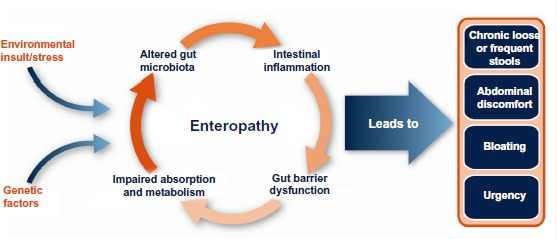
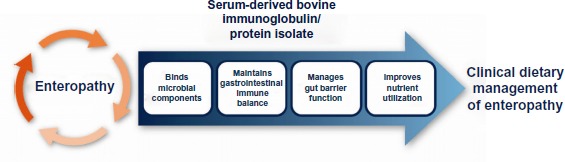
The health and performance of the gastrointestinal tract is influenced by the interaction of a variety of factors, including diet, nutritional status, genetics, environment, stress, the intestinal microbiota, immune status, and gut barrier. Disruptions in one or more of these factors can lead to enteropathy or intestinal disorders that are known to occur in concert with certain disease states or conditions such as irritable bowel syndrome or human immunodeficiency virus (HIV) infection. Nutritional support in the form of a medical food along with current therapies could help manage the adverse effects of enteropathy, which include effects on nutrient digestion, absorption, and metabolism, as well as utilization of nutrients from foodstuffs. Numerous studies have demonstrated that oral administration of plasma- or serum-derived protein concentrates containing high levels of immunoglobulins can improve weight management, normalize gut barrier function, and reduce the severity of enteropathy in animals. Recent trials in humans provide preliminary evidence that a serum-derived bovine immunoglobulin/protein isolate is safe and improves symptoms, nutritional status, and various biomarkers associated with enteropathy in patients with HIV infection or diarrhea-predominant irritable bowel syndrome. This review summarizes data from preclinical and clinical studies with immunoglobulin-containing plasma/serum protein concentrates, with a focus on the postulated mode of action of serum-derived bovine immunoglobulin/protein isolate for patients with enteropathy.
Keywords: bovine immunoglobulins; gut barrier; microbiota; nutrient.
Figures
References
-
- Torrallardona D. Spray dried animal plasma as an alternative to antibiotics in weanling pigs – a review. Asian-Australasian Journal of Animal Sciences. 2010;23(1):131–148.
-
- Campbell JM, Polo J, Russell LE, Crenshaw JD. Review of spray-dried plasma’s impact on intestinal barrier function. Livest Sci. 2010;133:239–241.
-
- Pérez-Bosque A, Miró L, Polo J, et al. Dietary plasma protein supplements prevent the release of mucosal proinflammatory mediators in intestinal inflammation in rats. J Nutr. 2010;140(1):25–30. - PubMed
-
- Bosi P, Casini L, Finamore A, et al. Spray-dried plasma improves growth performance and reduces inflammatory status of weaned pigs challenged with enterotoxigenic Escherichia coli K88. J Anim Sci. 2004;82(6):1764–1772. - PubMed
Publication types
LinkOut - more resources
Full Text Sources
Other Literature Sources
