


Severe eczema in infancy can predict asthma development. A prospective study to the age of 10 years
- PMID: 24914552
- PMCID: PMC4051764
- DOI: 10.1371/journal.pone.0099609
Severe eczema in infancy can predict asthma development. A prospective study to the age of 10 years
Abstract
Background: Children with atopic eczema in infancy often develop allergic rhinoconjunctivitis and asthma, but the term "atopic march" has been questioned as the relations between atopic disorders seem more complicated than one condition progressing into another.
Objective: In this prospective multicenter study we followed children with eczema from infancy to the age of 10 years focusing on sensitization to allergens, severity of eczema and development of allergic airway symptoms at 4.5 and 10 years of age.
Methods: On inclusion, 123 children were examined. Hanifin-Rajka criteria and SCORAD index were used to describe the eczema. Episodes of wheezing were registered, skin prick tests and IgE tests were conducted and questionnaires were filled out. Procedures were repeated at 4.5 and 10 years of age with additional examinations for ARC and asthma.
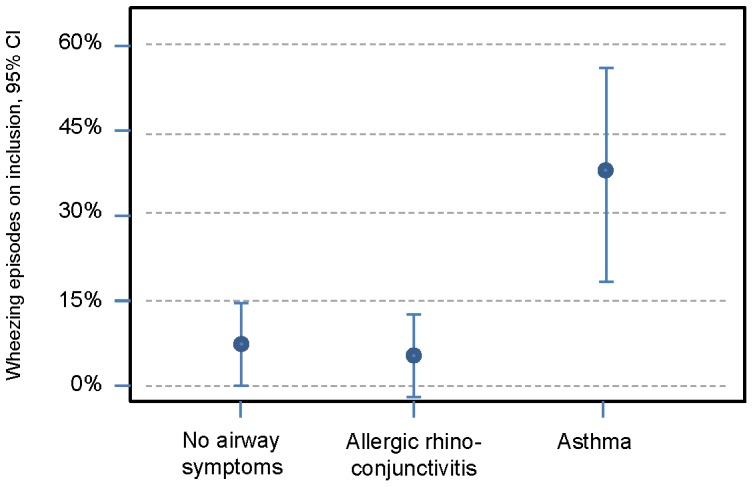
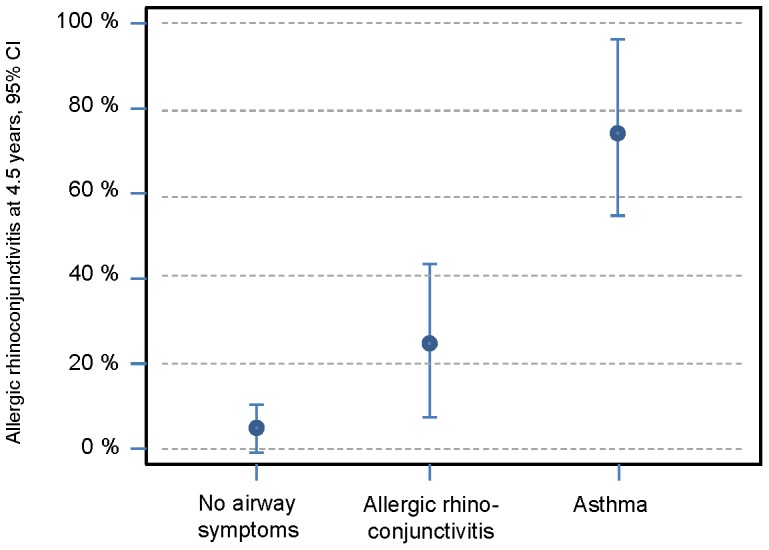
Results: 94 out of 123 completed the entire study. High SCORAD points on inclusion were correlated with the risk of developing ARC, (B = 9.86, P = 0.01) and asthma, (B = 10.17, P = 0.01). For infants with eczema and wheezing at the first visit, the OR for developing asthma was 4.05(P = 0.01). ARC at 4.5 years of age resulted in an OR of 11.28(P = 0.00) for asthma development at 10 years.
Conclusion: This study indicates that infant eczema with high SCORAD points is associated with an increased risk of asthma at 10 years of age. Children with eczema and wheezing episodes during infancy are more likely to develop asthma than are infants with eczema alone. Eczema in infancy combined with early onset of ARC seems to indicate a more severe allergic disease, which often leads to asthma development. The progression from eczema in infancy to ARC at an early age and asthma later in childhood shown in this study supports the relevance of the term "atopic march", at least in more severe allergic disease.
Conflict of interest statement
Figures


References
-
- Host A, Halken S (2000) The role of allergy in childhood asthma. Allergy 55(7): 600–608. - PubMed
-
- Pedersen SE, Hurd SS, Lemanske RF Jr, Becker A, Zar HJ, et al. (2011) Global strategy for the diagnosis and management of asthma in children 5 years and younger. Pediatr Pulmonol 46(1): 1–17. - PubMed
-
- Burgess JA, Lowe AJ, Matheson MC, Varigos G, Abramson MJ, et al. (2009) Does eczema lead to asthma? J Asthma 46(5): 429–436. - PubMed
-
- Leung DY, Bieber T (2003) Atopic dermatitis. Lancet 11 361(9352): 151–160. - PubMed
Publication types
MeSH terms
LinkOut - more resources
Full Text Sources
Other Literature Sources
Medical
