Suppressive potential of Paenibacillus strains isolated from the tomato phyllosphere against fusarium crown and root rot of tomato
- PMID: 24920171
- PMCID: PMC4103523
- DOI: 10.1264/jsme2.me13172
Suppressive potential of Paenibacillus strains isolated from the tomato phyllosphere against fusarium crown and root rot of tomato
Abstract
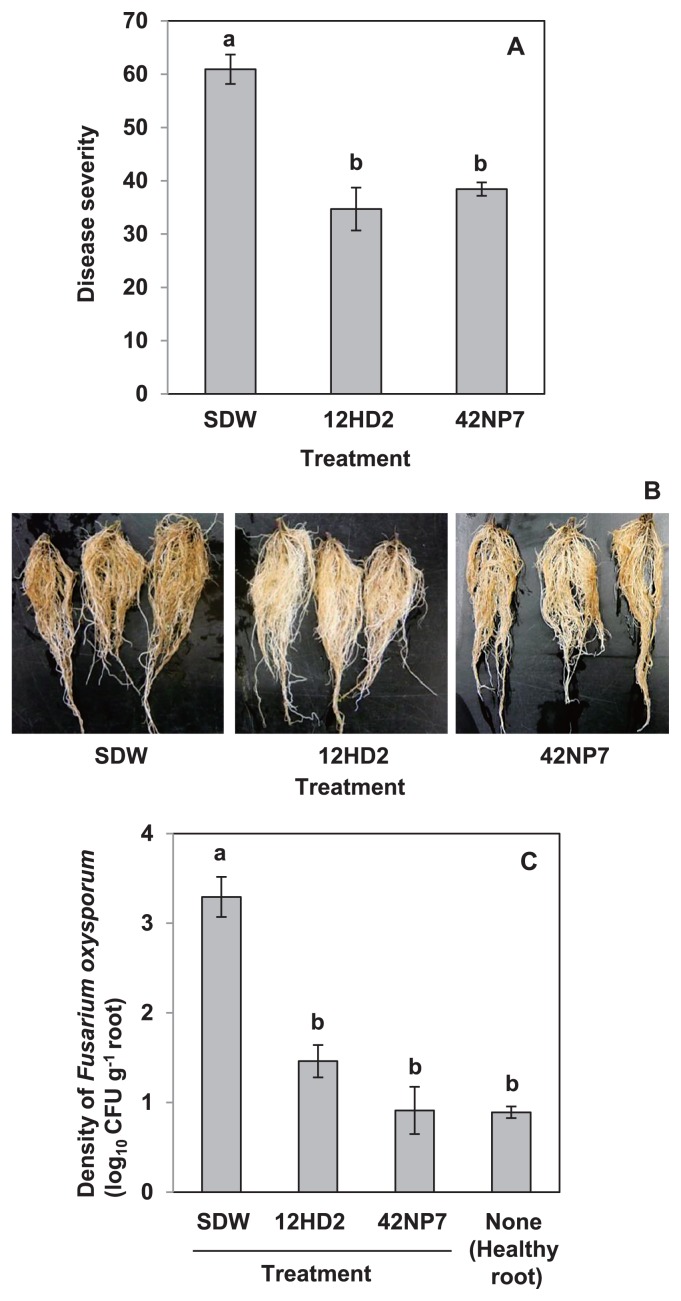
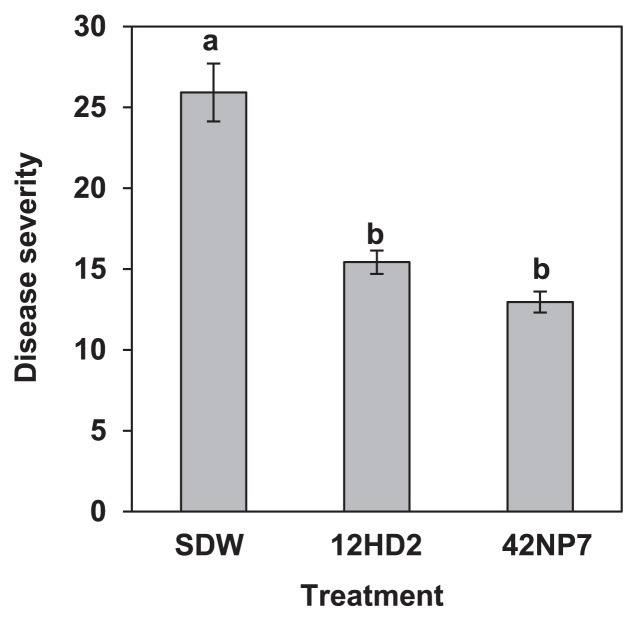
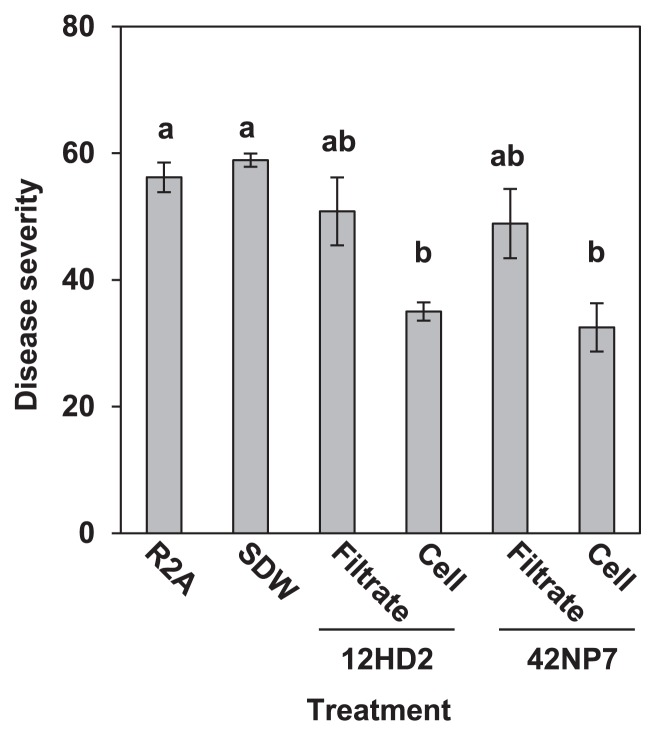
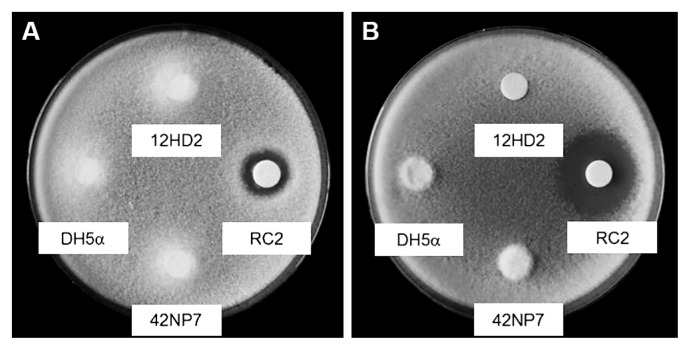
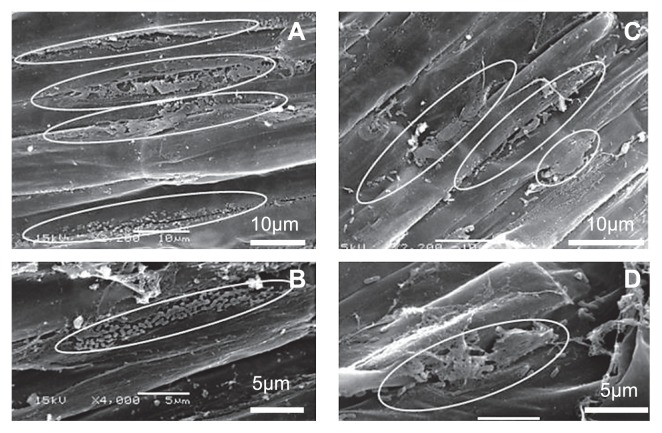
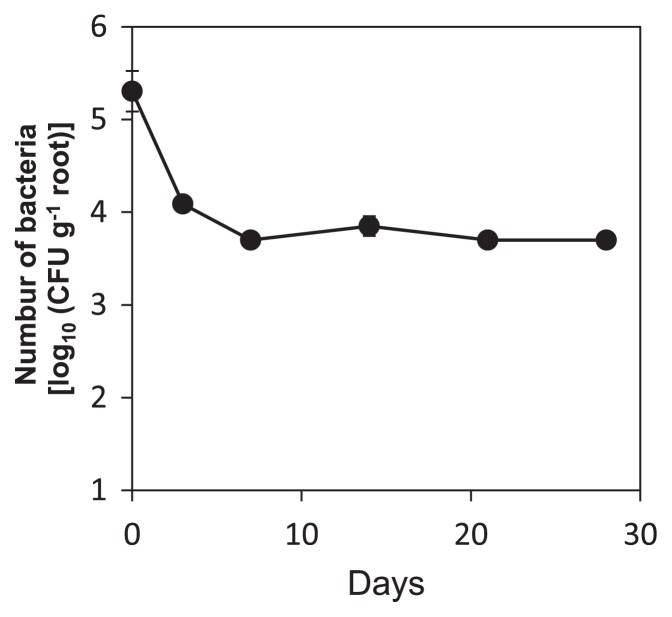
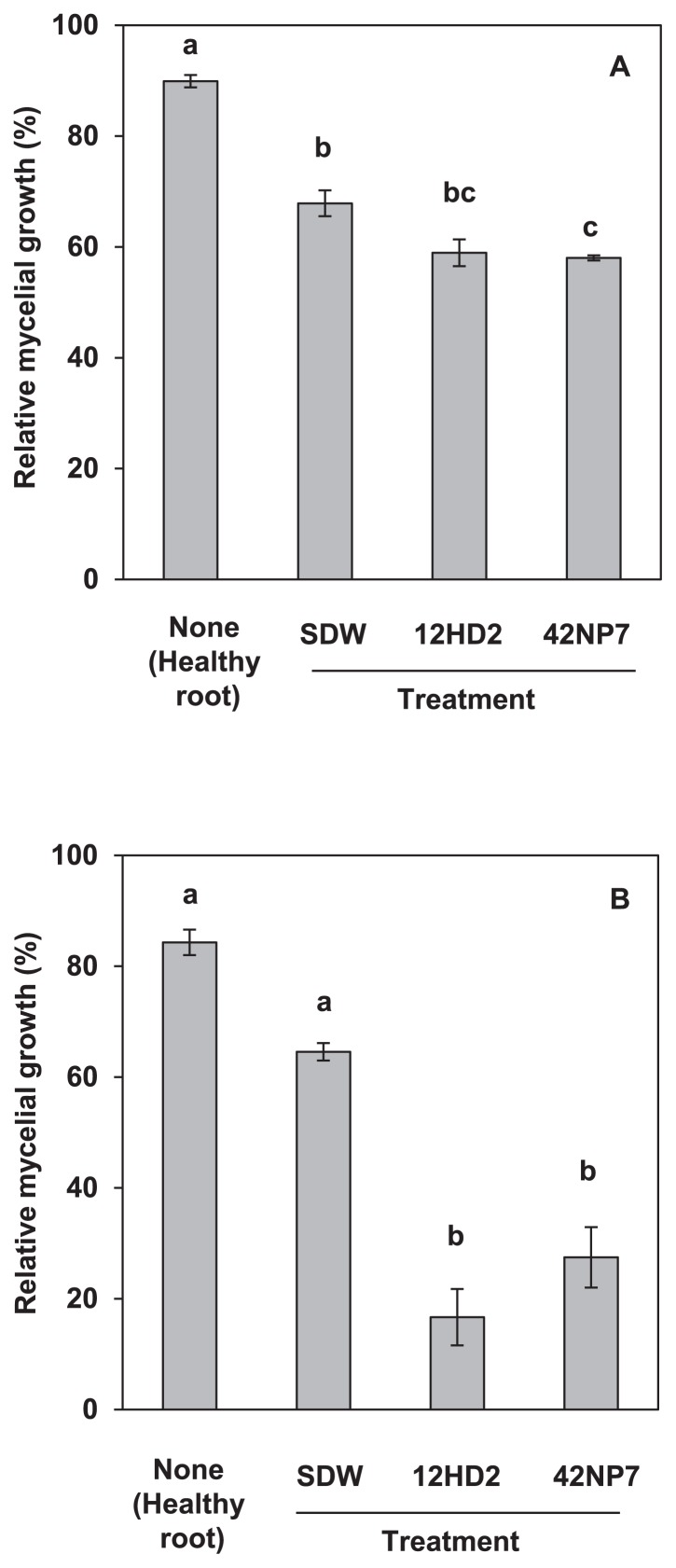
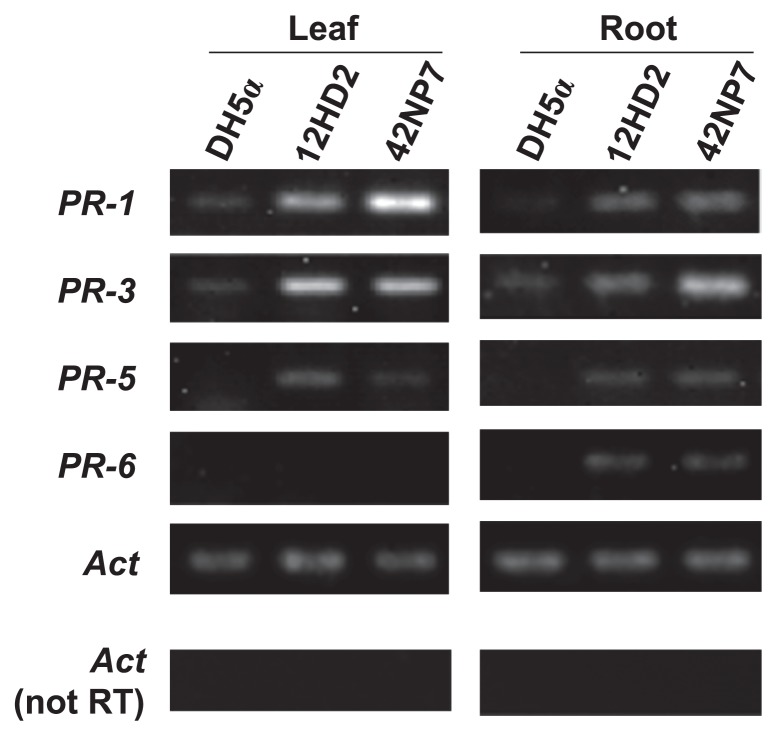
The suppressive potentials of Bacillus and Paenibacillus strains isolated from the tomato phyllosphere were investigated to obtain new biocontrol candidates against Fusarium crown and root rot of tomato. The suppressive activities of 20 bacterial strains belonging to these genera were examined using seedlings and potted tomato plants, and two Paenibacillus strains (12HD2 and 42NP7) were selected as biocontrol candidates against the disease. These two strains suppressed the disease in the field experiment. Scanning electron microscopy revealed that the treated bacterial cells colonized the root surface, and when the roots of the seedlings were treated with strain 42NP7 cells, the cell population was maintained on the roots for at least for 4 weeks. Although the bacterial strains had no direct antifungal activity against the causal pathogen in vitro, an increase was observed in the antifungal activities of acetone extracts from tomato roots treated with the cells of both bacterial strains. Furthermore, RT-PCR analysis verified that the expression of defense-related genes was induced in both the roots and leaves of seedlings treated with the bacterial cells. Thus, the root-colonized cells of the two Paenibacillus strains were considered to induce resistance in tomato plants, which resulted in the suppression of the disease.
Figures
References
-
- Algam SAE, Xie G, Li B, Yu S, Su T, Larsen J. Effects of Paenibacillus strains and chitosan on plant growth promotion and control of Ralstonia wilt in tomato. J Plant Pathol. 2010;92:593–600.
-
- Bolwerk A, Lagopodi AL, Lugtenberg BJJ, Bloemberg GV. Visualization of interactions between a pathogenic and beneficial Fusarium strain during biocontrol of tomato foot and root rot. Mol Plant Microbe Interact. 2005;18:710–721. - PubMed
-
- Chin-A-Woeng TFC, Bloemberg GV, Mulders IHM, Dekkers LC, Lugtenberg BJJ. Root colonization by phenazine-1- carboxamide-producing bacterium Pseudomonas chlororaphis PCL1391 is essential for biocontrol of tomato foot and root rot. Mol Plant Microbe Interact. 2000;13:1340–1345. - PubMed
-
- Choudhary DK, Johri BN. Interactions of Bacillus spp. and plants—with special reference to induced systemic resistance (ISR) Microbiol Res. 2009;164:493–513. - PubMed
-
- Danhash N, Wagemakers CA, Van Kan JAL, de Wit PJ. Molecular characterization of four chitinase cDNAs obtained from Cladosporium fulvum-infected tomato. Plant Mol Biol. 1993;22:1017–1029. - PubMed
Publication types
MeSH terms
Substances
LinkOut - more resources
Full Text Sources
Other Literature Sources
Molecular Biology Databases