. 2014 Jun 13;9(6):e99341.
doi: 10.1371/journal.pone.0099341. eCollection 2014.

Allele-specific silencing of mutant huntingtin in rodent brain and human stem cells

Affiliations

Allele-specific silencing of mutant huntingtin in rodent brain and human stem cells

Valérie Drouet et al. PLoS One. .

Abstract

Huntington's disease (HD) is an autosomal dominant neurodegenerative disorder resulting from polyglutamine expansion in the huntingtin (HTT) protein and for which there is no cure. Although suppression of both wild type and mutant HTT expression by RNA interference is a promising therapeutic strategy, a selective silencing of mutant HTT represents the safest approach preserving WT HTT expression and functions. We developed small hairpin RNAs (shRNAs) targeting single nucleotide polymorphisms (SNP) present in the HTT gene to selectively target the disease HTT isoform. Most of these shRNAs silenced, efficiently and selectively, mutant HTT in vitro. Lentiviral-mediated infection with the shRNAs led to selective degradation of mutant HTT mRNA and prevented the apparition of neuropathology in HD rat's striatum expressing mutant HTT containing the various SNPs. In transgenic BACHD mice, the mutant HTT allele was also silenced by this approach, further demonstrating the potential for allele-specific silencing. Finally, the allele-specific silencing of mutant HTT in human embryonic stem cells was accompanied by functional recovery of the vesicular transport of BDNF along microtubules. These findings provide evidence of the therapeutic potential of allele-specific RNA interference for HD.


Conflict of interest statement

Competing Interests: The authors have declared that no competing interests exist.

Figures

Figure 1
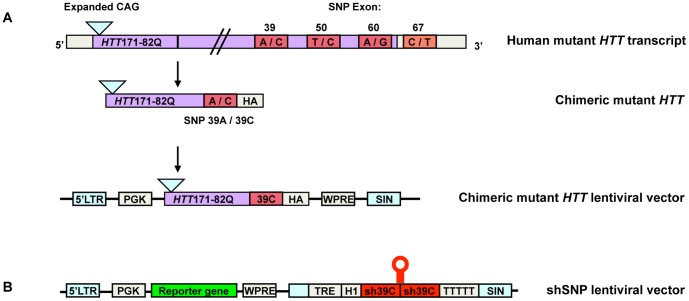
Figure 1. Schematic representation of the chimeric HTT- and shSNP-containing lentiviral vectors.
(A) We chose four SNP within the human HTT transcript: exon 39 (rs363125), exon 50 (rs362331), exon 60 (rs2276881) and exon 67 (rs362307). This last SNP is located after the stop codon, in the 3′UTR of the HTT gene. The chimeric HTT with the exon 39 SNP is illustrated as an example: the sequence surrounding the SNP (A or C) is fused in frame to the 5′ sequence of mutant HTT encoding the first 171 amino acids with 82Q. A sequence encoding the HA tag is added at 3′ the end of all fusion proteins to facilitate detection. The fusion construct is then inserted into a SIN transfer vector. (B) Representation of a lentiviral vector expressing the shSNP (example of sh39C). The sequence corresponding to the shRNA is inserted downstream from a tetracycline responsive element (TRE) and a H1 promoter in the 3′LTR of the vector. A second expression cassette contains a GFP reporter gene under the control of a PGK promoter. The SNP was located at position 10 or 16 for this particular shSNP, counting from the 5′ end of the guide strand of the shRNA.
Figure 2
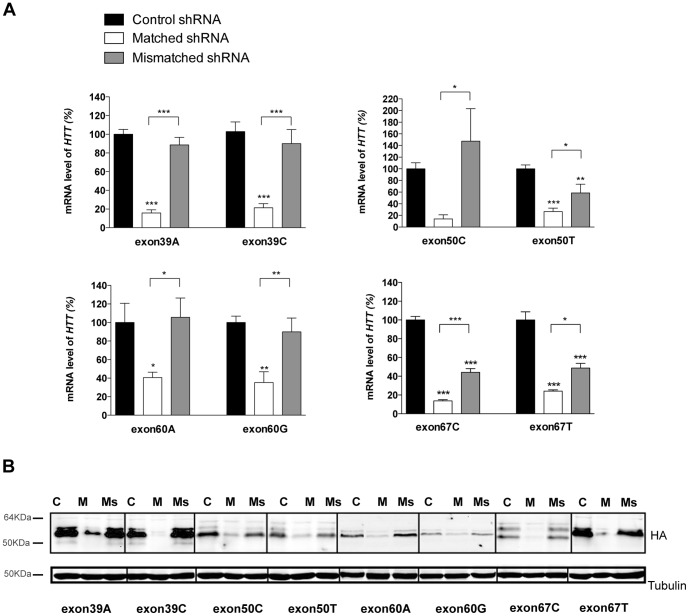
Figure 2. Efficacy and selectivity of the shSNP in vitro.
(A) Quantitative real-time PCR analyses showing the silencing of HTT mRNA in transfected 293T cells co-expressing chimeric HTT and shSNP or the control shRNA. Levels of the chimeric HTT mRNA were normalized to β-Actin and are reported as mean percentages relative to the control condition (set at 100%) ± SEM (n = 3–5). One-way analyses of variance (ANOVA) were performed for each SNP. Newman-Keuls Post-hoc comparison between the shCtrl groups and shSNP groups indicated significant efficacy for sh39A, sh39C, sh50T, sh67T, sh67C (***P<0.001), sh60G (**P<0.01) and sh60A (*P<0.05) whereas the difference between the control condition and the sh50C condition was not statistically significant. The mismatched shRNA conditions were not significantly different from the control condition except for 50T+sh50C (**P<0.01), 67T+sh67C and 67C+sh67T (***P<0.001) and they were all significantly different from the matched shRNA conditions showing the selectivity of this approach in vitro (sh39A, sh39C, sh67C (***P<0.001), sh60G (**P<0.01), sh50C, sh50T, sh60A and sh67T (*P<0.05). (B) Representative western blot (n = 3) with anti-HA antibody illustrating production of the chimeric proteins. The efficacy test lanes (matched shRNA: M) evidence the decrease/absence of the corresponding chimeric proteins, whereas in selectivity lanes (mismatched shRNA: Ms) the mutant HTT is still present as in the control condition (c).
Figure 3
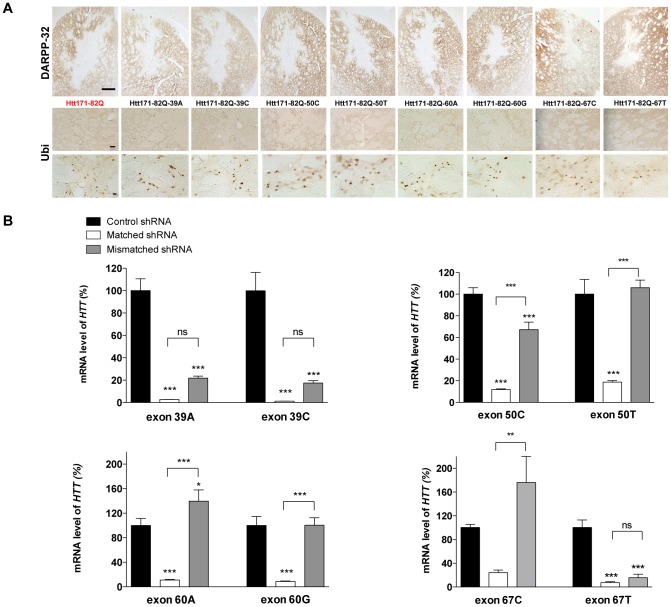
Figure 3. Expression of HTT after co-injection of constructs encoding chimeric mutant HTT and GFP-shSNPs in vivo.
(A) Lentiviral vectors expressing the htt171-82Q fragment or the various chimeric mutant HTT were injected into the striatum of rats (n = 4 per group). Eight weeks after injection, DARPP-32 and ubiquitin (Ubi) staining (low and high magnification pictures) demonstrated that all the constructs led to HD-like neuropathology (loss of DARPP-32 staining and ubiquitin-positive aggregates), similar to that with the htt171-82Q lentiviral-based model. (B) Four weeks after injection, the GFP-positive area was laser-capture microdissected and HTT mRNA was assayed by RT-qPCR. Values for HTT mRNA were normalized to PPIA and are expressed as mean percentages of the value for the control condition ± SEM (n = 6). One-way ANOVAs were conducted for each SNP. 39A: ***P<0.001; 39C: ***P<0.001; 50C: ***P<0.001; 50T: ***P<0.001; 60A: ***P<0.001; 60G: ***P<0.001; 67T: ***P<0.001; 67C: P>0.05. Newman-Keuls Post-hoc comparison between the shCtrl groups and matched shRNA groups demonstrates significant silencing of all targeted HTT mRNAs, ***P<0.001, except for exon 67C. Post-hoc comparison between the shCtrl groups and mismatched shRNA groups revealed no significant differences for sh50T, sh60A or sh60G, a significant difference for sh67C, and highly significant differences for sh39A, sh39C, sh50C and sh67T. This comparison as the matched/mismatched post-hoc provides evidence of the different selectivities of the shSNPs.
Figure 4
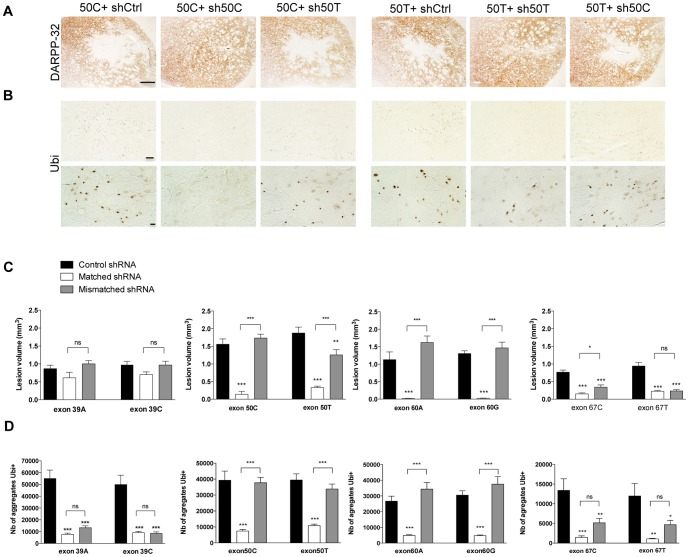
Figure 4. Efficacy and selectivity of the GFP-shSNP in vivo.
(A) and (C) DARPP-32 immunostaining and quantification 8 weeks after injection evidencing loss of this striatal marker in the control and mismatched injected areas but its preservation in the matched conditions, except for sh39 and sh67. The results are expressed as mean volumes in mm3 depleted of DARPP-32 ± SEM (n = 8). One-way ANOVAs were conducted for each SNP: 50C, 50T, 60A, 60G, 67T, and 67C: ***P<0.001. Newman-Keuls Post-hoc comparison between control conditions and test conditions showed a highly effective prevention of DARPP-32 loss for most of the matched shSNPs and also significant, although less so, prevention of loss for the mismatched sh50C and sh67. For the other mismatched conditions, the post-hoc test was not significant, indicating the selectivity of the shSNPs. (B) and (D) Ubiquitin immunostaining (low and high magnification pictures) and quantification showing large numbers of aggregates in the control and mismatched injected areas and fewer aggregates in the matched conditions. The results are expressed as mean numbers of ubiquitin-positive aggregates ± SEM (n = 8). One-way ANOVAs were conducted for each SNP: 39A, 39C, 50C, 50T, 60A, 60G, and 67T: ***P<0.001; 67C: **P<0.01. Newman-Keuls Post-hoc comparison between control and matched conditions showed highly significant prevention of aggregate formation for all matched shSNPs. For mismatched conditions, the post-hoc test was not significant except for the mismatched sh39 and sh67.
Figure 5
Figure 5. Effective and selective SNP-specific silencing in BACHD mice.
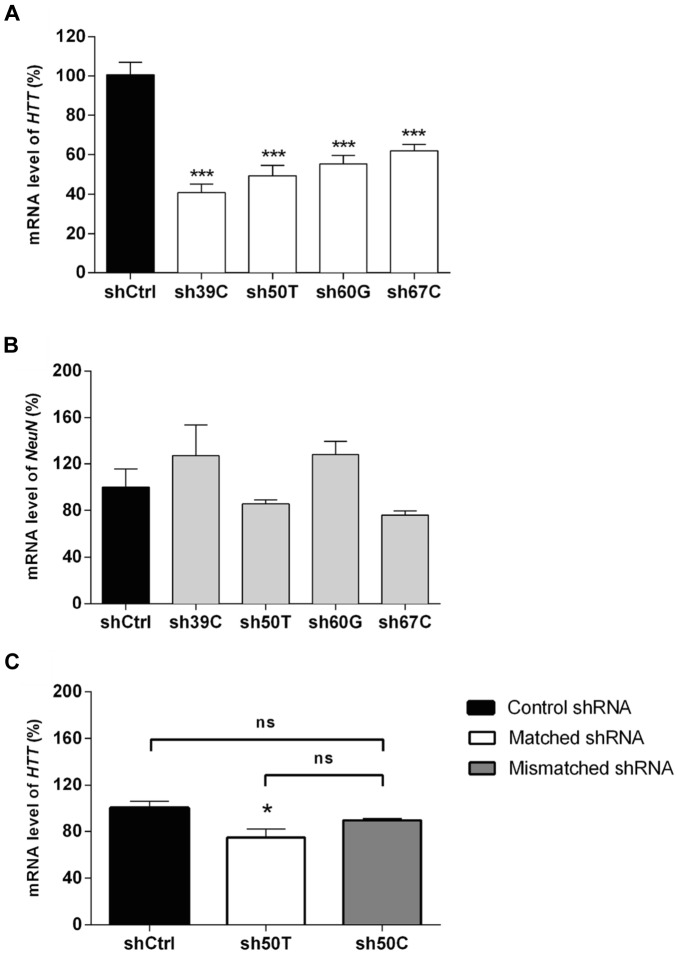
(A) Four weeks after injection of constructs encoding fully matched shSNP in BACHD mice striatum, the GFP-positive area was dissected and HTT mRNA was assayed by RT-qPCR. Values for HTT mRNA were normalized to a reference peptidyl propyl isomerase A (PPIA) and are expressed as mean percentages relative to the control condition (set at 100%) ± SEM (n = 10). One-way ANOVAs were conducted for each matched SNP for HTT 39C, 50T, 60G, and 67C: ***P<0.001. Newman-Keuls Post-hoc comparison between the shCtrl and matched shRNA groups demonstrate significant silencing of targeted human HTT mRNA. (B) Samples all showed similar NeuN gene expression (One-way ANOVAs and Newman-Keuls Post-hoc comparison test). (c) Three weeks after injection of constructs encoding shCtrl, sh50T and sh50C in BACHD mice striatum, 1 mm3 punches of the GFP infected area were dissected and HTT mRNA was assayed by RT-qPCR with primers specific for the human HTT. Values for HTT mRNA were normalized to a reference PPIA and are expressed as mean percentages relative to the control condition (set at 100%) ± SEM (n = 4–6). One-way ANOVAs were conducted for each groups: *P<0.05. Newman-Keuls Post-hoc comparison between the shCtrl and the sh50T confirm the silencing of human mutant HTT mRNA, whereas no statistically significant difference was observed between shCtrl and sh50C groups, demonstrating the selectivity of HTT silencing.
Figure 6
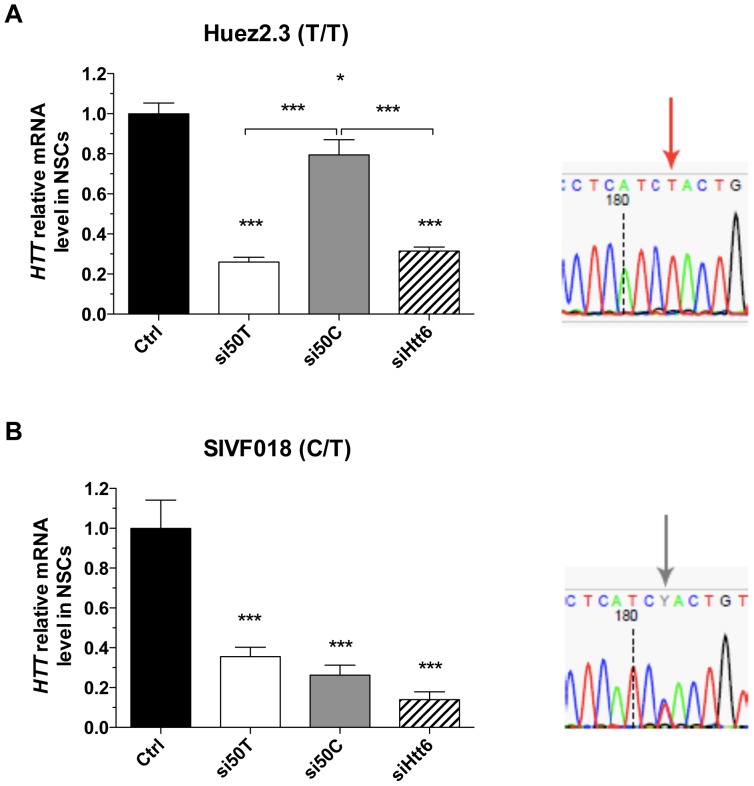
Figure 6. Allele specific knock-down of HTT mRNA in human HD NSC.
Relative HTT mRNA levels normalized to controls (non-targeting siRNA) measured by RT-qPCR in HD-NSCs transfected with pan-allelic (siHtt6) or allele-specific HTT-targeting (si50T and si50C) siRNAs. HD-NSCs were derived from two HD-hESC lines, Huez2.3 (A) and SIVF018 (B), T/T homozygous and C/T heterozygous for SNP rs362331, respectively. n =  4. P-value by one-way ANOVA and Tukey's multiple comparison test; *P<0.05; **P<0.01; ***P<0.001; Error bars depict SEM.
Figure 7
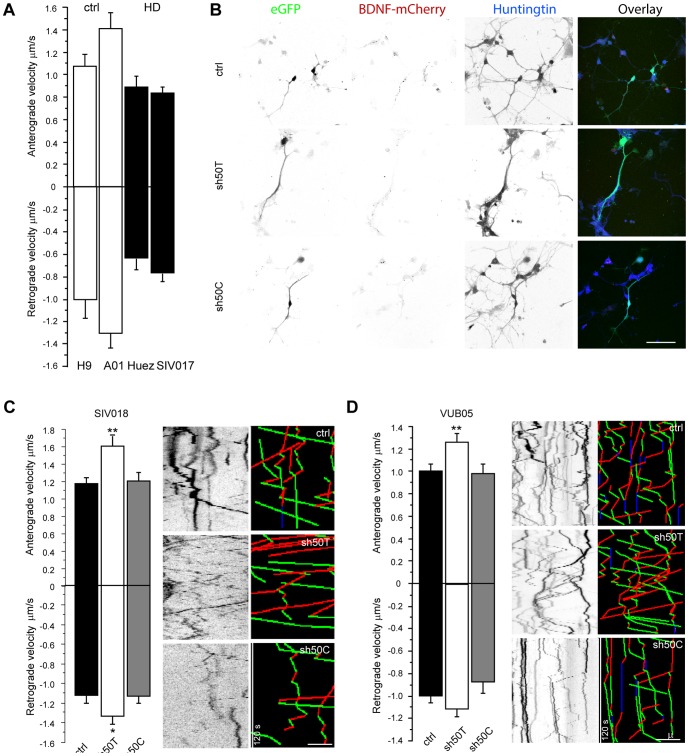
Figure 7. Recovery of BDNF trafficking after allele-specific silencing of mutant HTT in neurons derived from HD-hESCs.
(A) Quantitative analyses of anterograde and retrograde BDNF vesicular velocity in two different WT NSC lines (H9 and SA-01; white bars) and two HD-derived NSC lines (Huez2.3, SIVF017; black bars): anterograde and retrograde velocities are higher in WT neurons than in HD cells. One-way ANOVAs were conducted for anterograde and retrograde velocity separately. Anterograde: ***P<0.001; n = 43 to 170. Retrograde: **P<0.01; n = 43 to 133. (B) Direct GFP and mCherry fluorescence and immunofluorescence staining of HTT in transfected neurons derived from one HD-hESC line (VUB05); these cells were used for video-microscopy analyses. (C, D) Quantitative analyses of anterograde and retrograde BDNF vesicular velocities in SIVF017 cells (C) and VUB05 cells (D) with representative kymographs and the analyzed trajectories (green for anterograde, red for retrograde and blue for pausing vesicles). (C) One-way ANOVA for anterograde velocity: **P<0.01; n = 50 to 72. Fisher's PLSD Post-hoc test demonstrated significant velocity recovery with respect to the control group in the sh50T group, **P<0.01, but not in the sh50C group. For retrograde: F(2,198) = 3.095, *P<0.05; 55 to 77 events were recorded for each group. Fisher's PLSD Post-hoc test demonstrated significant velocity recovery with respect to the control group in the sh50T group, *P<0.05 but not in the si50C group. (D) One-way ANOVAs were conducted for anterograde and retrograde velocity separately. For anterograde: F(2, 329) = 5.494, **P<0.01; 51 to 153 events were recorded for each group. Fisher's PLSD Post-hoc test demonstrated a significant increase in velocity for the sh50T group, **P<0.01 but not the sh50C group, with respect to the control group. For retrograde: F(2,313) = 2.585, P = 0.077; 44 to 144 events were recorded for each group. There was no significant difference between control group and treated groups for retrograde transport.

References

    1. Vonsattel JP, Myers RH, Stevens TJ, Ferrante RJ, Bird ED, et al. (1985) Neuropathological classification of Huntington's disease. J Neuropathol Exp Neurol 44: 559–577. - PubMed
    1. The, Huntington's disease collaborative research (1993) A novel gene containing a trinucleotide repeat that is expanded and unstable on Huntington's disease chromosome. Cell 72: 971–983. - PubMed
    1. DiFiglia M, Sapp E, Chase KO, Davies SW, Bates GP, et al. (1997) Aggregation of huntingtin in neuronal intranuclear inclusions and dystrophic neurites in brain. Science 277: 1990–1993. - PubMed
    1. Zhang Y, Friedlander RM (2011) Using non-coding small RNAs to develop therapies for Huntington's disease. Gene Ther 18: 1139–1149. - PubMed
    1. Drouet V, Perrin V, Hassig R, Dufour N, Auregan G, et al. (2009) Sustained effects of nonallele-specific Huntingtin silencing. Ann Neurol 65: 276–285. - PubMed

Publication types

MeSH terms