. 2014 Sep 15;74(18):5301-10.
doi: 10.1158/0008-5472.CAN-14-0319. Epub 2014 Jun 13.

Cell surface lactate receptor GPR81 is crucial for cancer cell survival

Affiliations

Cell surface lactate receptor GPR81 is crucial for cancer cell survival

Christina L Roland et al. Cancer Res. .

Abstract

The mechanisms that allow cancer cells to adapt to the typical tumor microenvironment of low oxygen and glucose and high lactate are not well understood. GPR81 is a lactate receptor recently identified in adipose and muscle cells that has not been investigated in cancer. In the current study, we examined GPR81 expression and function in cancer cells. We found that GPR81 was present in colon, breast, lung, hepatocellular, salivary gland, cervical, and pancreatic carcinoma cell lines. Examination of tumors resected from patients with pancreatic cancer indicated that 94% (148 of 158) expressed high levels of GPR81. Functionally, we observed that the reduction of GPR81 levels using shRNA-mediated silencing had little effect on pancreatic cancer cells cultured in high glucose, but led to the rapid death of cancer cells cultured in conditions of low glucose supplemented with lactate. We also observed that lactate addition to culture media induced the expression of genes involved in lactate metabolism, including monocarboxylase transporters in control, but not in GPR81-silenced cells. In vivo, GPR81 expression levels correlated with the rate of pancreatic cancer tumor growth and metastasis. Cells in which GPR81 was silenced showed a dramatic decrease in growth and metastasis. Implantation of cancer cells in vivo was also observed to lead to greatly elevated levels of GPR81. These data support that GPR81 is important for cancer cell regulation of lactate transport mechanisms. Furthermore, lactate transport is important for the survival of cancer cells in the tumor microenvironment. Cancer Res; 74(18); 5301-10. ©2014 AACR.


Conflict of interest statement

Conflict of Interest: The authors have no conflicts of interest.

Figures
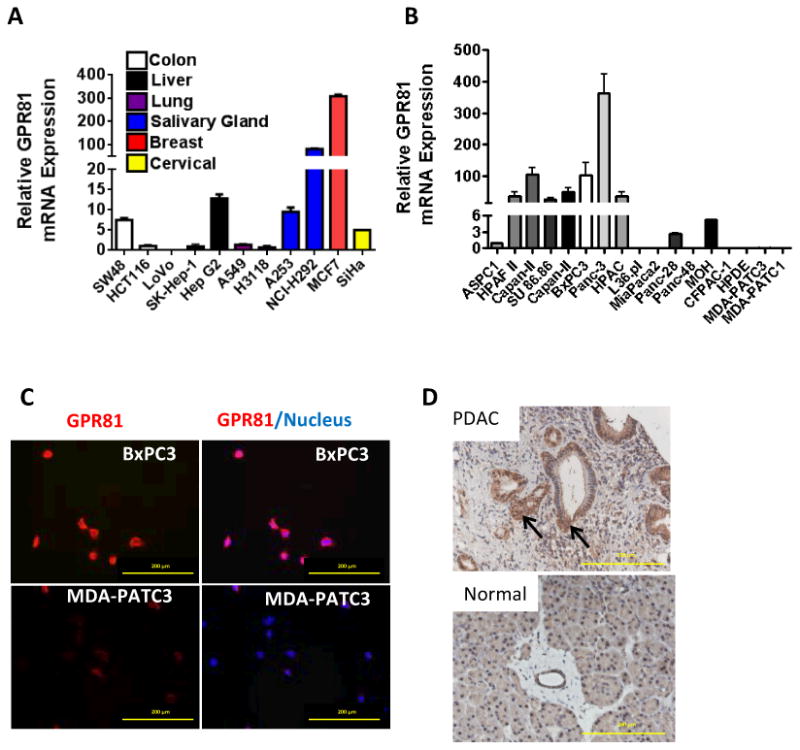
Figure 1
Figure 1. GPR81 is highly expressed in cancer
(A) Relative mRNA expression of GPR81 in several different cancer cell lines. Data are mean ± SEM. n ≥ 3. (B) Relative mRNA expression of GPR81 in 16 PDAC cell lines and immortalized normal human ductal epithelial cells (HPDE). Data are mean ± SEM. n ≥ 3. (C) BxPC3 (top) or MDA-PATC3 cells (bottom) were co-immunostained for GPR81 (red) and DAPI (blue). Scale bar, 200μm. n ≥ 3. (D) Representative immunohistochemical staining GPR81 (arrow) in resected human samples of normal pancreas and PDAC. Scale bar, 200μm.
Figure 2
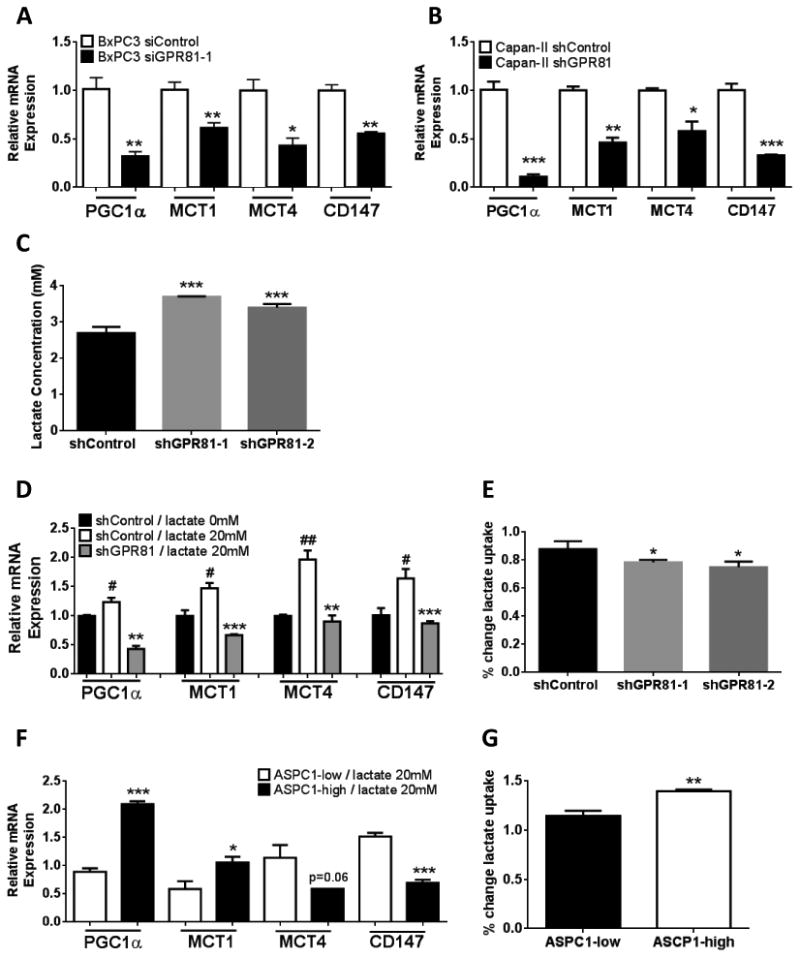
Figure 2. GPR81 regulates expression of genes involved in lactate metabolism and lactate uptake and is required for cancer cell survival when lactate is the primary fuel source
(A-B) Relative mRNA expression of PGC1α, MCT1, MCT4 and CD147 mRNA in BxPC3 (A) or Capan-II (B) si- or shcontrol and si- or shGPR81, grown in DMEM + 10% FBS. (C) Lactate concentration in the supernatant of Capan-II shControl and shGPR81 were measured using YSI 2900 Biochemistry Analyzer after 24-h of culture in fresh medium; n = 3. (D & F) Relative mRNA expression of PGC1α, MCT1, MCT4 and CD147 mRNA in (D) Capan-II shControl or shGPR81 cells or (F) ASPC1-low and ASPC1-high cells after lactate stimulation (+) in DMEM without glucose, glutamine or pyruvate + 20mM lactate and 2% FBS for 6 hours normalized to shControl /lactate 0mM. vs. shControl / 20mM lactate. Data are mean ± SEM. n ≥ 3. # vs. lactate 0mM; (E & G) Lactate concentration in the supernatant of (E) Capan-II shControl or shGPR81 cells or (G) Lactate uptake was measured in ASPC1-low and ASPC1-high cells after 1-h & 6-h of culture DMEM without glucose, glutamine or pyruvate + 20mM lactate and 2% FBS; n = 3.% change lactate uptake was calculated as follows: [lactate-1 hour] / [lactate-6 hour]. **p <0.01 *p<0.05, **p<0.01,***p<0.001 by t-test.
Figure 3
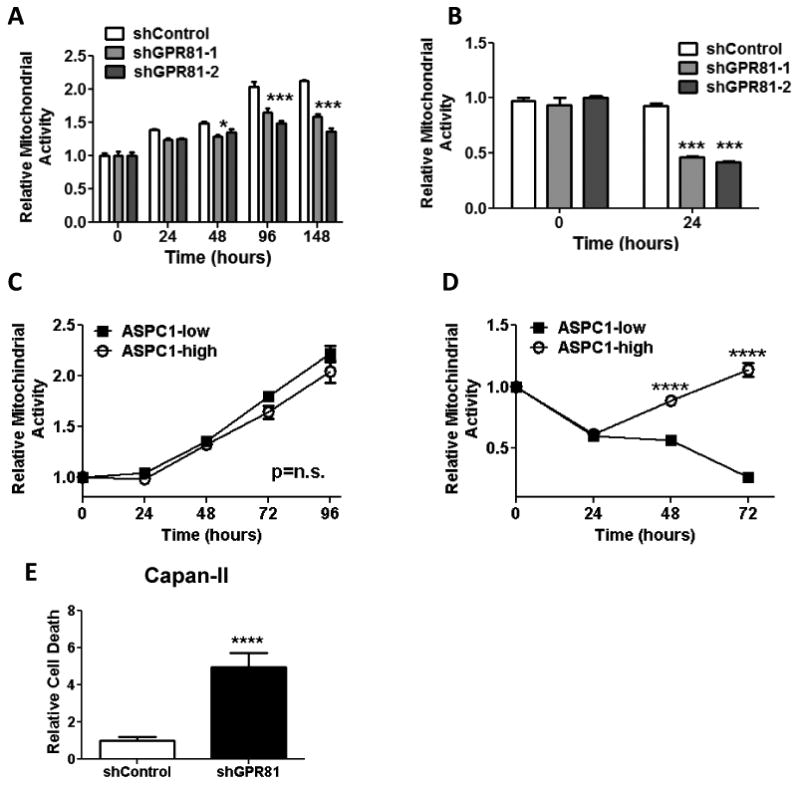
Figure 3. GPR81 is required for cancer cell survival when lactate is the primary fuel source
(A-D) Mitochondrial activity of Capan-II shControl and shGPR81 cells (A & B) or ASPC1-low and ASPC1-high cells (C & D) measured by MTS assay in DMEM + 5% FBS (A & C) or DMEM without glucose, glutamine or pyruvate + 20mM lactate and 2%FBS (B & D). Data are mean ± SEM, normalized to day 0. n ≥ 3, . *p<0.05, ***p<0.001; ****p<0.0001 by ANOVA. (E) Relative cellular death, as measured by Hoescht uptake at 24 hours of shControl and shGPR81 Capan-II cells. Total dead cell area (DAPI stained nuclei)/total cell area (brightfield) was calculated using Simple PCI software and normalized to shControl cells. Data are mean ± SEM, normalized to day 0. n ≥ 3; ****p<0.0001 by t-test.
Figure 4
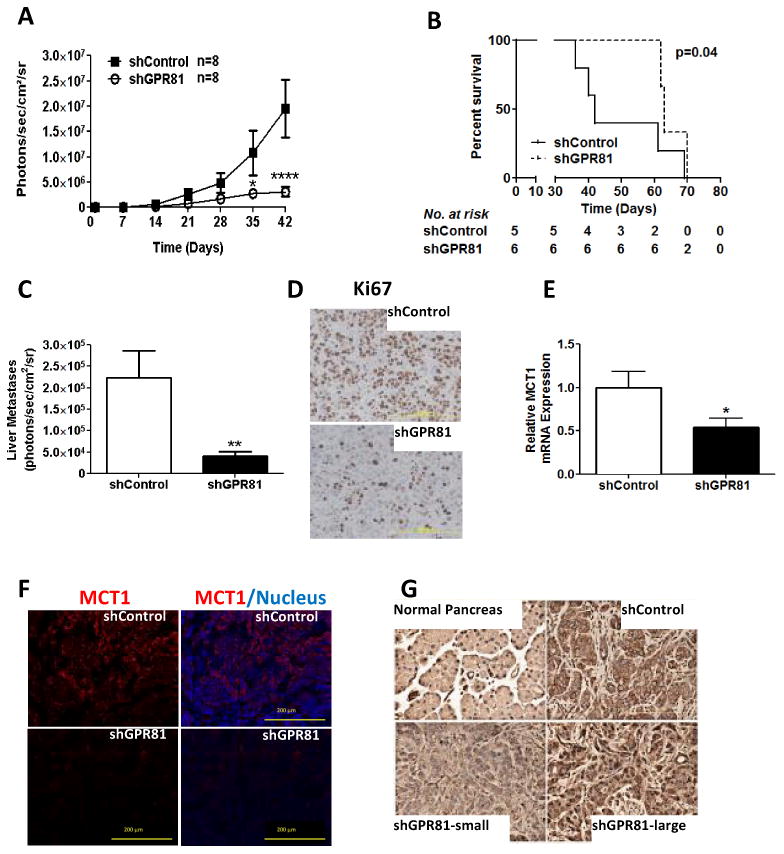
Figure 4. GPR81 is required for rapid tumor growth and metastasis and leads to reduced survival
(A) Tumor growth estimated using bioluminescent imaging for Capan-II shControl or shGPR81 cells stably transfected with luciferase and injected into the tail of the pancreas of athymic nude mice (n=8/group). (B) Kaplan-Meier survival graph demonstrating overall survival of animal injected with Capan-II shControl or shGPR81 cells. Median survival: shControl 42 days; shGPR81 70 days. (C) Liver metastatic disease (estimated with bioluminescent imaging) at 6 weeks in Capan-II shControl or shGPR81 tumors. Data are mean photons/sec/cm2 ± SEM. n=8/group. (D) Representative images of immunohistochemistry of Ki67 in Capan-II shControl and shGPR81. Scale bar, 200μm. n ≥ 5/group. (E) Representative images of immunofluorescence for MCT1 (red) and DAPI in Capan-II shControl (top) and shGPR81 (bottom) tumors (Scale bar, 200μm). (F) Quantification of MCT1 mRNA levels, relative to shControl. Data are mean ± SEM. n ≥ 4. *p<0.05 by t-test. (G) Representative images of immunohistochemistry for GPR81 in Capan-II shControl or shGPR81 large and small tumors. Scale bar, 200μm. n ≥ 3/group.
Figure 5
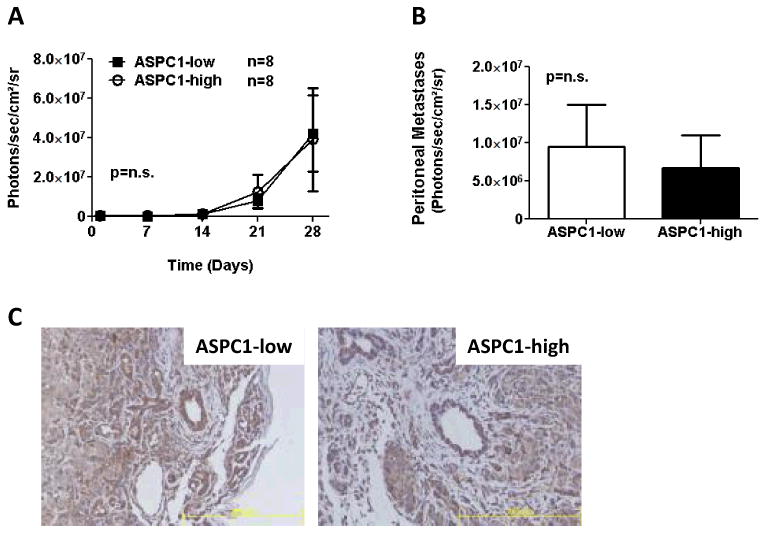
Figure 5. GPR81 is up-regulated in the tumor microenvironment
(A) Tumor growth estimated using bioluminescent imaging of ASPC1-low or ASPC1-high cells stably transfected with luciferase, injected into the tail of the pancreas of athymic nude mice (n=8/group). (B) Metastatic disease to the peritoneum estimated using bioluminescent imaging at 4 weeks at the time of sacrifice. Data are mean photons/sec/cm2/sr ± SEM. (C) Representative images of immunohistochemistry of GPR81 expression in ASPC1-low or ASPC1-high tumor sections. Scale bar, 200μm. n ≥ 5/group.

References

    1. Hanahan D, Weinberg RA. Hallmarks of cancer: the next generation. Cell. 2011;144:646–74. - PubMed
    1. Ying H, Kimmelman AC, Lyssiotis CA, Hua S, Chu GC, Fletcher-Sananikone E, et al. Oncogenic Kras maintains pancreatic tumors through regulation of anabolic glucose metabolism. Cell. 2012;149:656–70. - PMC - PubMed
    1. Warburg O. On respiratory impairment in cancer cells. Science. 1956;124:269–70. - PubMed
    1. Vander Heiden MG, Cantley LC, Thompson CB. Understanding the Warburg effect: the metabolic requirements of cell proliferation. Science. 2009;324:1029–33. - PMC - PubMed
    1. Kroemer G, Pouyssegur J. Tumor cell metabolism: cancer's Achilles' heel. Cancer Cell. 2008;13:472–82. - PubMed

Publication types

LinkOut - more resources