


Mesenchymal stem cell-based treatment for microvascular and secondary complications of diabetes mellitus
- PMID: 24936198
- PMCID: PMC4047679
- DOI: 10.3389/fendo.2014.00086
Mesenchymal stem cell-based treatment for microvascular and secondary complications of diabetes mellitus
Abstract
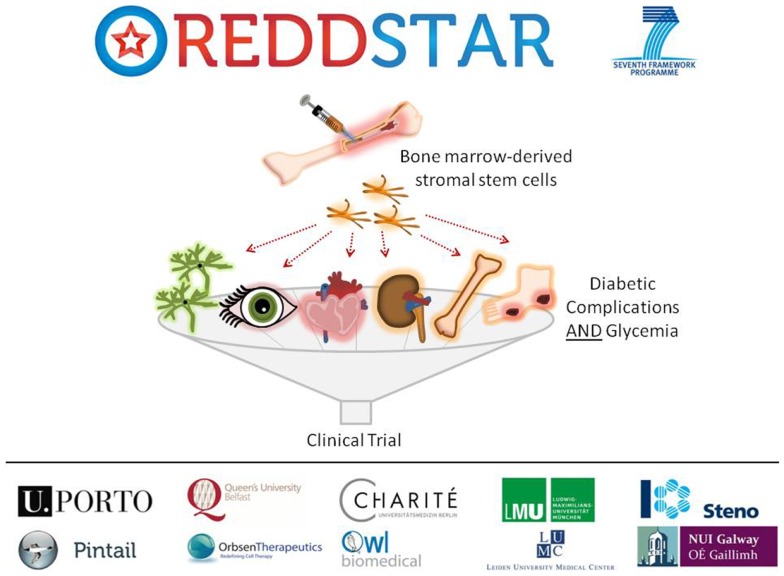
The worldwide increase in the prevalence of Diabetes mellitus (DM) has highlighted the need for increased research efforts into treatment options for both the disease itself and its associated complications. In recent years, mesenchymal stromal cells (MSCs) have been highlighted as a new emerging regenerative therapy due to their multipotency but also due to their paracrine secretion of angiogenic factors, cytokines, and immunomodulatory substances. This review focuses on the potential use of MSCs as a regenerative medicine in microvascular and secondary complications of DM and will discuss the challenges and future prospects of MSCs as a regenerative therapy in this field. MSCs are believed to have an important role in tissue repair. Evidence in recent years has demonstrated that MSCs have potent immunomodulatory functions resulting in active suppression of various components of the host immune response. MSCs may also have glucose lowering properties providing another attractive and unique feature of this therapeutic approach. Through a combination of the above characteristics, MSCs have been shown to exert beneficial effects in pre-clinical models of diabetic complications prompting initial clinical studies in diabetic wound healing and nephropathy. Challenges that remain in the clinical translation of MSC therapy include issues of MSC heterogeneity, optimal mode of cell delivery, homing of these cells to tissues of interest with high efficiency, clinically meaningful engraftment, and challenges with cell manufacture. An issue of added importance is whether an autologous or allogeneic approach will be used. In summary, MSC administration has significant potential in the treatment of diabetic microvascular and secondary complications but challenges remain in terms of engraftment, persistence, tissue targeting, and cell manufacture.
Keywords: MSC; diabetes; mesenchymal stromal cell; microvascular complication; nephropathy; neuropathy; retinopathy.
Figures
References
-
- Ahmed AM. History of diabetes mellitus. Saudi Med J (2002) 23:373–8 - PubMed
-
- Harris MI. Definition and classification of diabetes mellitus and the criteria for diagnosis. 3rd ed In: LeRoith D, Taylor SI, Olefsky JM. editors. Diabetes Mellitus: A Fundamental and Clinical Text. Philadelphia, PA: Lippincott Williams & Wilkins; (2004). p. 457–67
Publication types
LinkOut - more resources
Full Text Sources
Other Literature Sources
