


Toxoplasma gondii decreases the reproductive fitness in mice
- PMID: 24940596
- PMCID: PMC4062421
- DOI: 10.1371/journal.pone.0096770
Toxoplasma gondii decreases the reproductive fitness in mice
Abstract
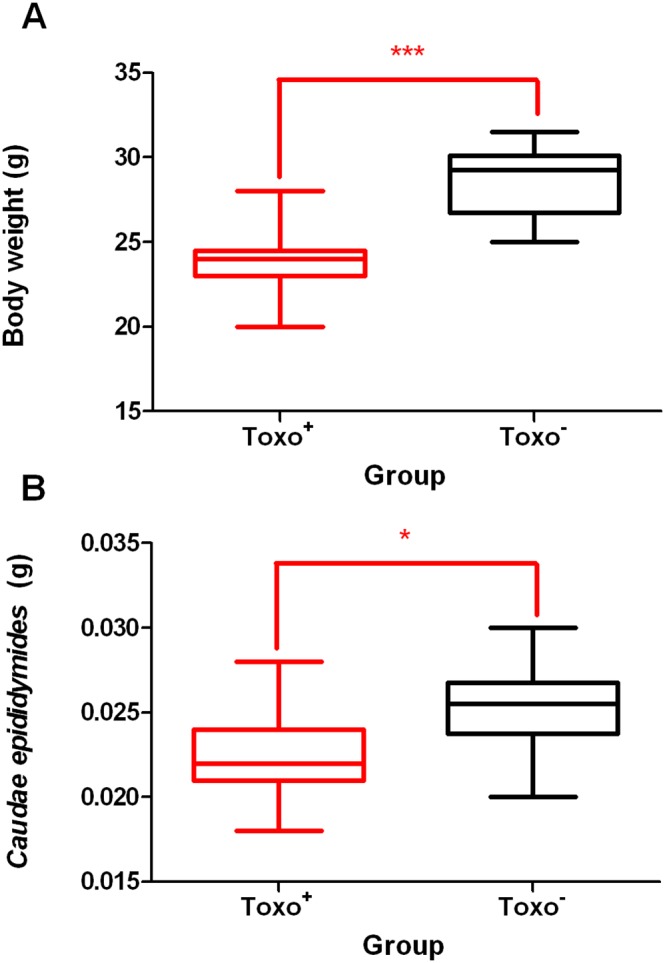
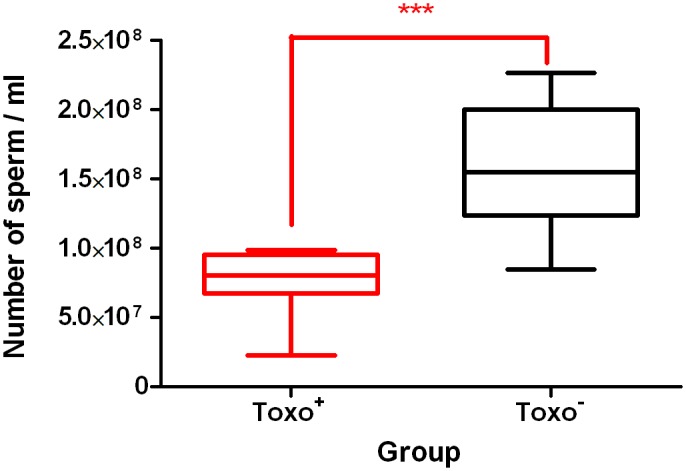
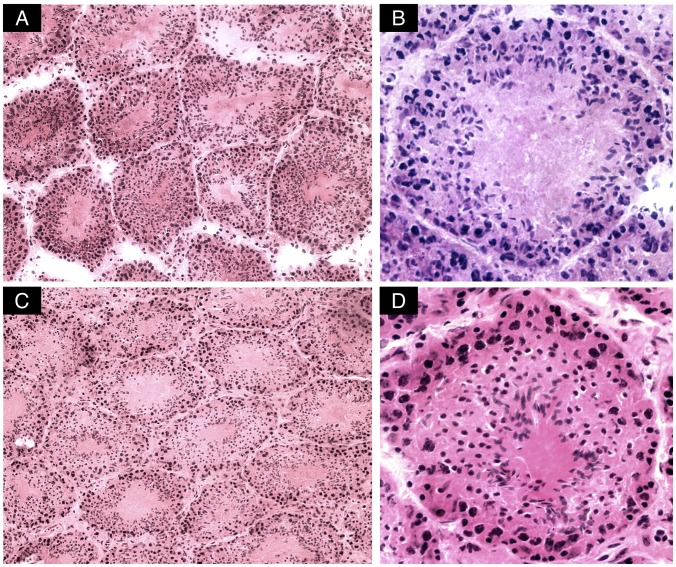
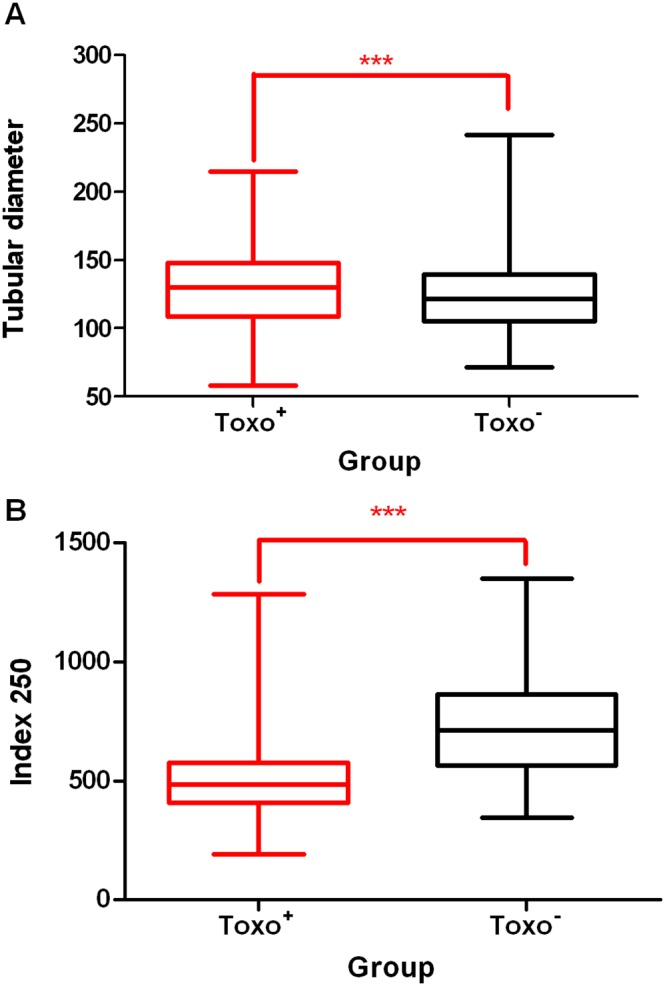
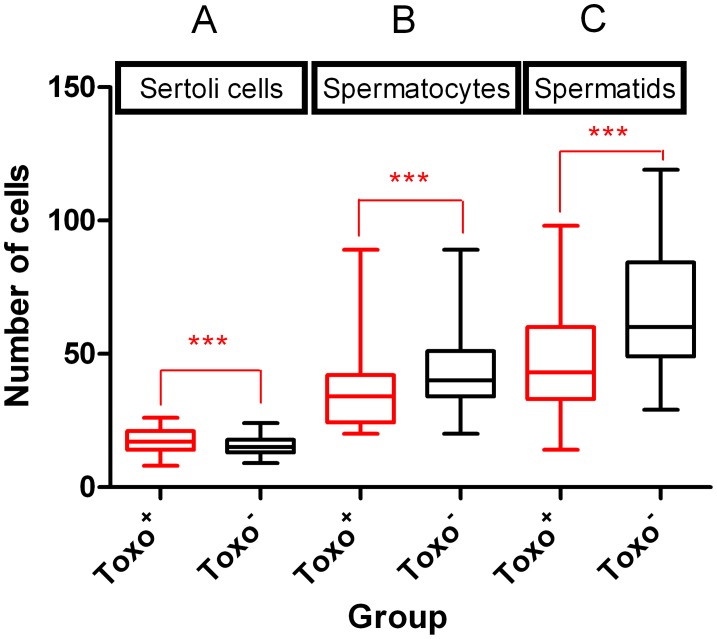
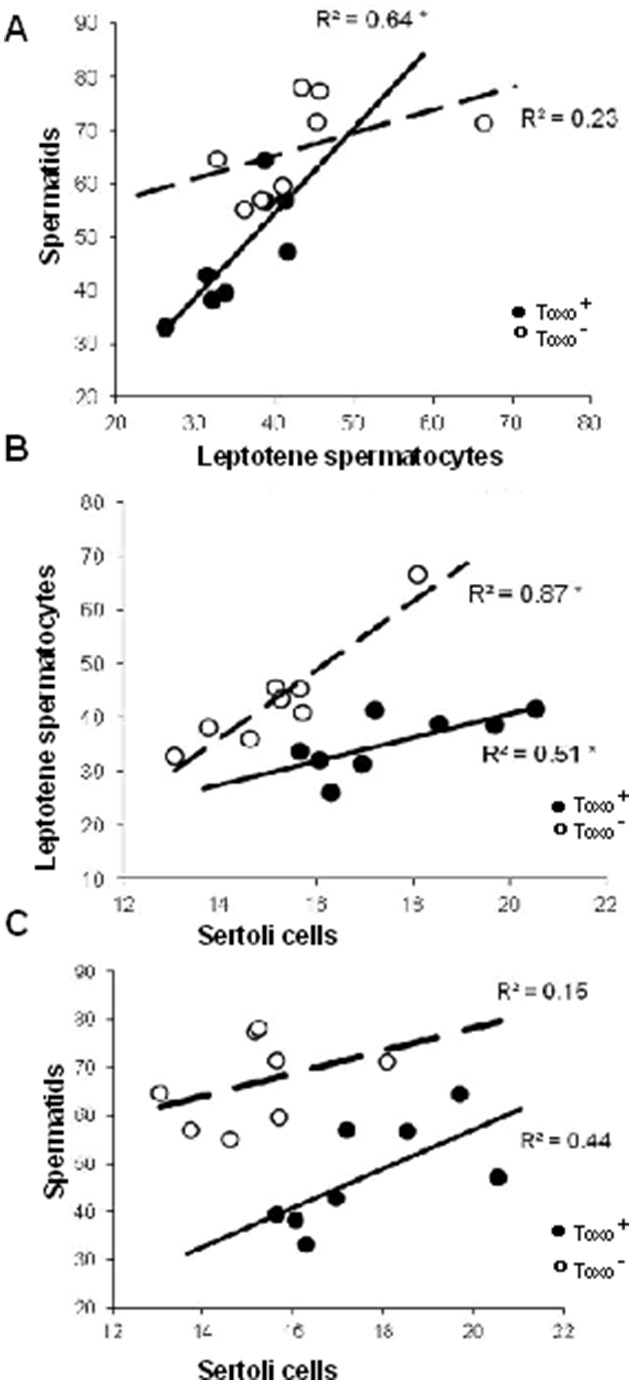
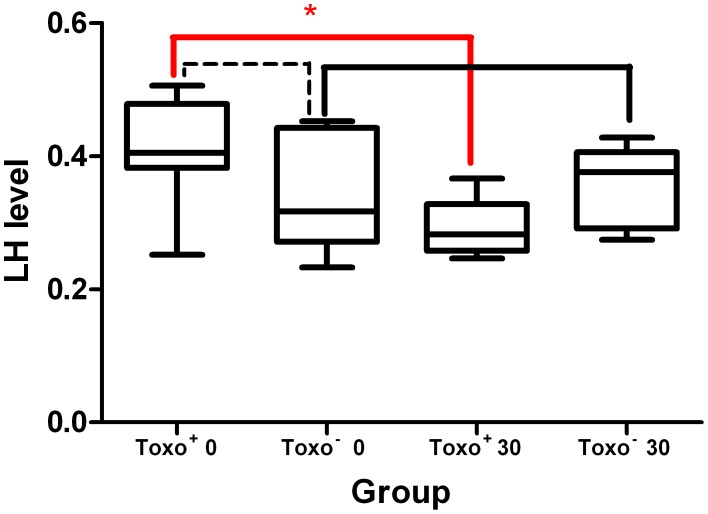
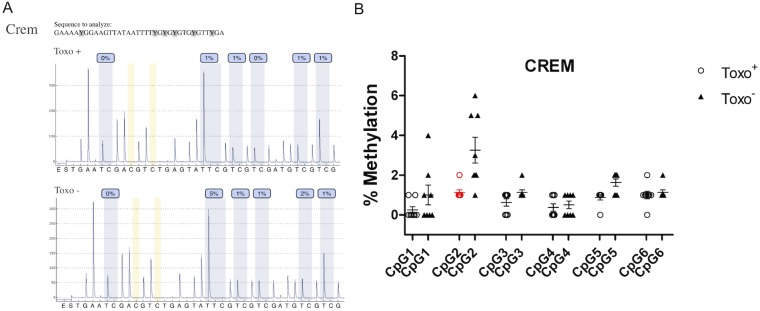
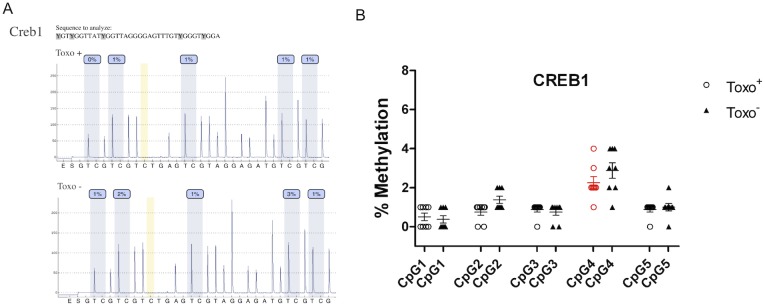
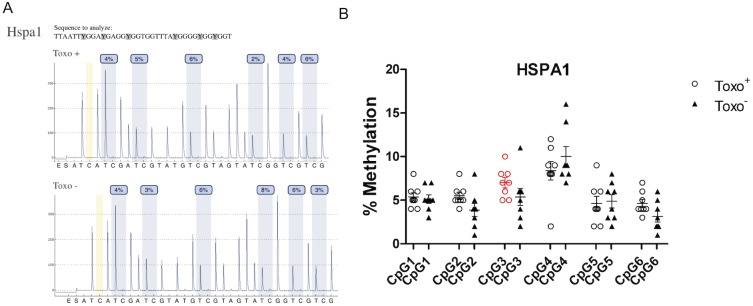
Toxoplasma gondii is a common protozoan parasite that infects warm-blooded animals throughout the world, including mice and humans. During infection, both, the parasite and the host, utilize various mechanisms to maximize their own reproductive success. Mice and humans are both the intermediate hosts for Toxoplasma gondii, which forms specialized vacuoles containing reproductive cysts in the formers' tissue. As half of the human population is infected, developing a disease called toxoplasmosis, along with an ever-growing number of couples suffering with idiopathic infertility, it is therefore surprising that there is a lack of research on how Toxoplasma gondii can alter reproductive parameters. In this study, a detailed histometric screening of the testicular function along with the levels of the pituitary luteinizing hormone (LH) were analysed in infected mice. Data on relative testis and epididymis weight, and sperm count were also collected. Based on the results obtained, the level of LH in the urine of Toxoplasma gondii infected mice was lower compared to the control. In direct correlation with the hormone level, testicular function and sperm production was also significantly lower in Toxoplasma gondii positive group using sperm count and histometric analysis as a marker. Not only were the number of leptotene primary spermatocytes and spermatids lowered, but the number of Sertoli cells and the tubule diameter were elevated. In parallel, a pilot epigenetic study on global testicular methylation, and specific methylation of Crem, Creb1 and Hspa1genes essential for successfully ongoing spermatogenesis was performed. Global methylation was elevated in Toxoplasma infected mice, and differences in the DNA methylation of selected genes were detected between the Toxoplasma positive and control group. These findings demonstrate a direct relation between Toxoplasma gondii infection and the decrease of male reproductive fitness in mice, which may contribute to an increase of idiopathic infertility in humans.
Conflict of interest statement
Figures
References
-
- Hill D, Dubey JP (2002) Toxoplasma gondii: transmission, diagnosis and prevention. Clin Microbiol Infect 8: 634–640. - PubMed
-
- Dubey JP, Beattie CP (1988) Toxoplasmosis of Animals and Man. Boca Raton, FL: CRC Press, 1988.
-
- Howe DK, Sibley LD (1995) Toxoplasma gondii comprises three clonal lineages: correlation of parasite genotype with human disease. J Infect. Dis 172: 1561–1566. - PubMed
-
- Saeij JP, Boyle JP, Boothroyd JC (2005) Differences among the three major strains of Toxoplasma gondii and their specific interactions with the infected host. Trends Parasitol 21: 476–481. - PubMed
-
- Remington JS, McLeod R, Desmonts G, Toxoplasmosis. (1995) In: Remington JS, Klein JO, eds. Infectious Disease of the Fetus and Newborn Infant. Philadelphia: W.B. Saunders Company; 140–267.
Publication types
MeSH terms
Substances
LinkOut - more resources
Full Text Sources
Other Literature Sources
Research Materials
