Identification and characterization of seminal fluid proteins in the Asian tiger mosquito, Aedes albopictus
- PMID: 24945155
- PMCID: PMC4063707
- DOI: 10.1371/journal.pntd.0002946
Identification and characterization of seminal fluid proteins in the Asian tiger mosquito, Aedes albopictus
Erratum in
- PLoS Negl Trop Dis. 2014 Jul;8(7):e3073
Abstract
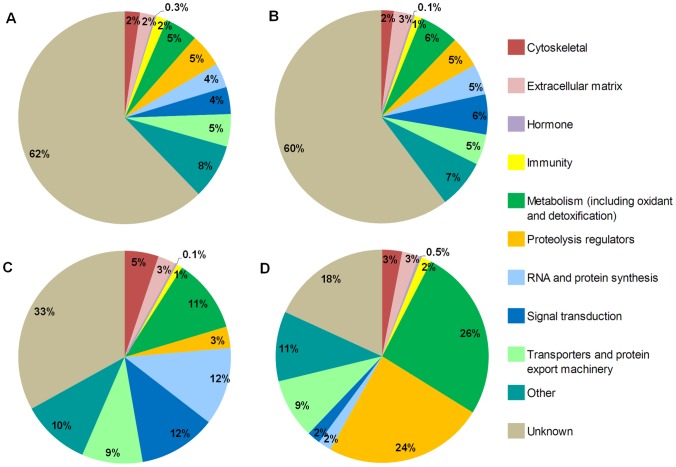
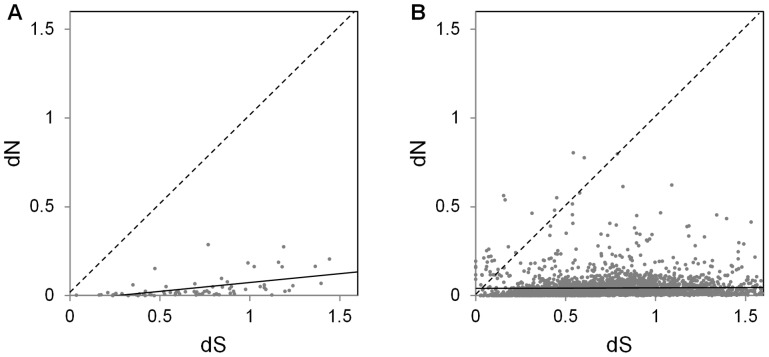
The Asian tiger mosquito (Aedes albopictus) is an important vector for pathogens that affect human health, including the viruses that cause dengue and Chikungunya fevers. It is also one of the world's fastest-spreading invasive species. For these reasons, it is crucial to identify strategies for controlling the reproduction and spread of this mosquito. During mating, seminal fluid proteins (Sfps) are transferred from male mosquitoes to females, and these Sfps modulate female behavior and physiology in ways that influence reproduction. Despite the importance of Sfps on female reproductive behavior in mosquitoes and other insects, the identity of Sfps in Ae. albopictus has not previously been reported. We used transcriptomics and proteomics to identify 198 Sfps in Ae. albopictus. We discuss possible functions of these Sfps in relation to Ae. albopictus reproduction-related biology. We additionally compare the sequences of these Sfps with proteins (including reported Sfps) in several other species, including Ae. aegypti. While only 72 (36.4%) of Ae. albopictus Sfps have putative orthologs in Ae. aegypti, suggesting low conservation of the complement of Sfps in these species, we find no evidence for an elevated rate of evolution or positive selection in the Sfps that are shared between the two Aedes species, suggesting high sequence conservation of those shared Sfps. Our results provide a foundation for future studies to investigate the roles of individual Sfps on feeding and reproduction in this mosquito. Functional analysis of these Sfps could inform strategies for managing the rate of pathogen transmission by Ae. albopictus.
Conflict of interest statement
The authors have declared that no competing interests exist.
Figures
References
Publication types
MeSH terms
Substances
Grants and funding
LinkOut - more resources
Full Text Sources
Other Literature Sources
Molecular Biology Databases