


Evaluation of anticonvulsant actions of dibromophenyl enaminones using in vitro and in vivo seizure models
- PMID: 24945912
- PMCID: PMC4063795
- DOI: 10.1371/journal.pone.0099770
Evaluation of anticonvulsant actions of dibromophenyl enaminones using in vitro and in vivo seizure models
Abstract
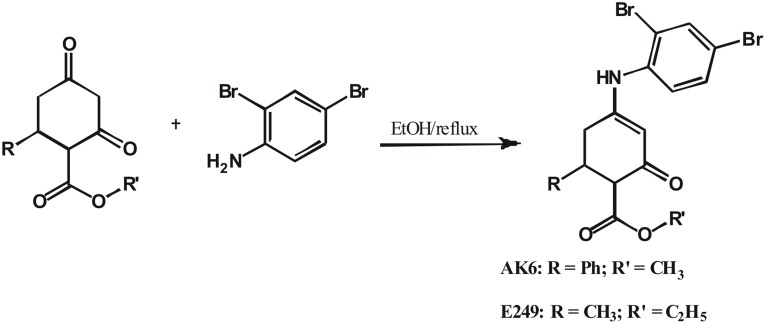
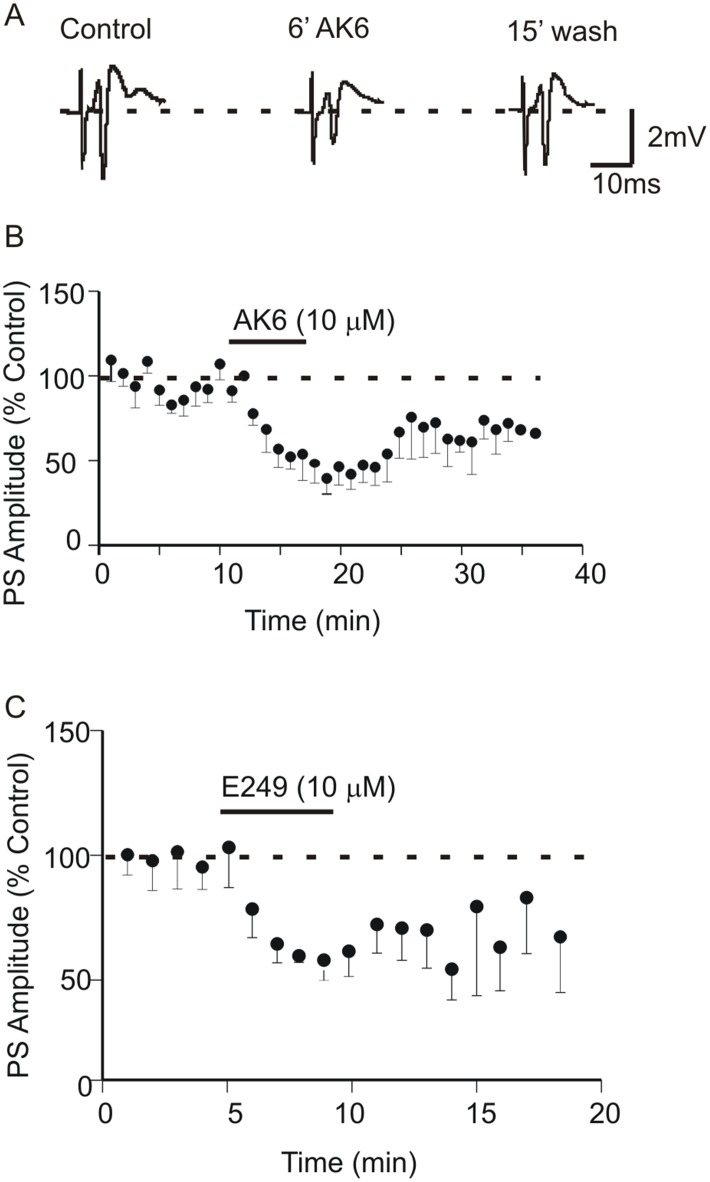
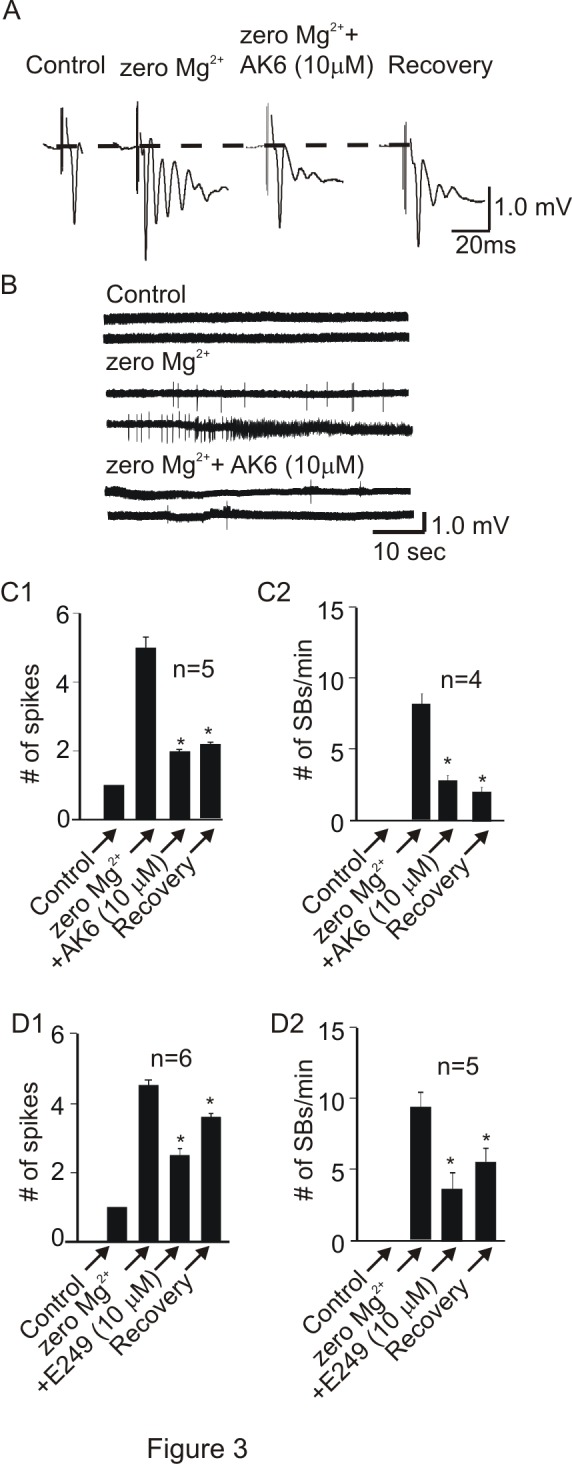
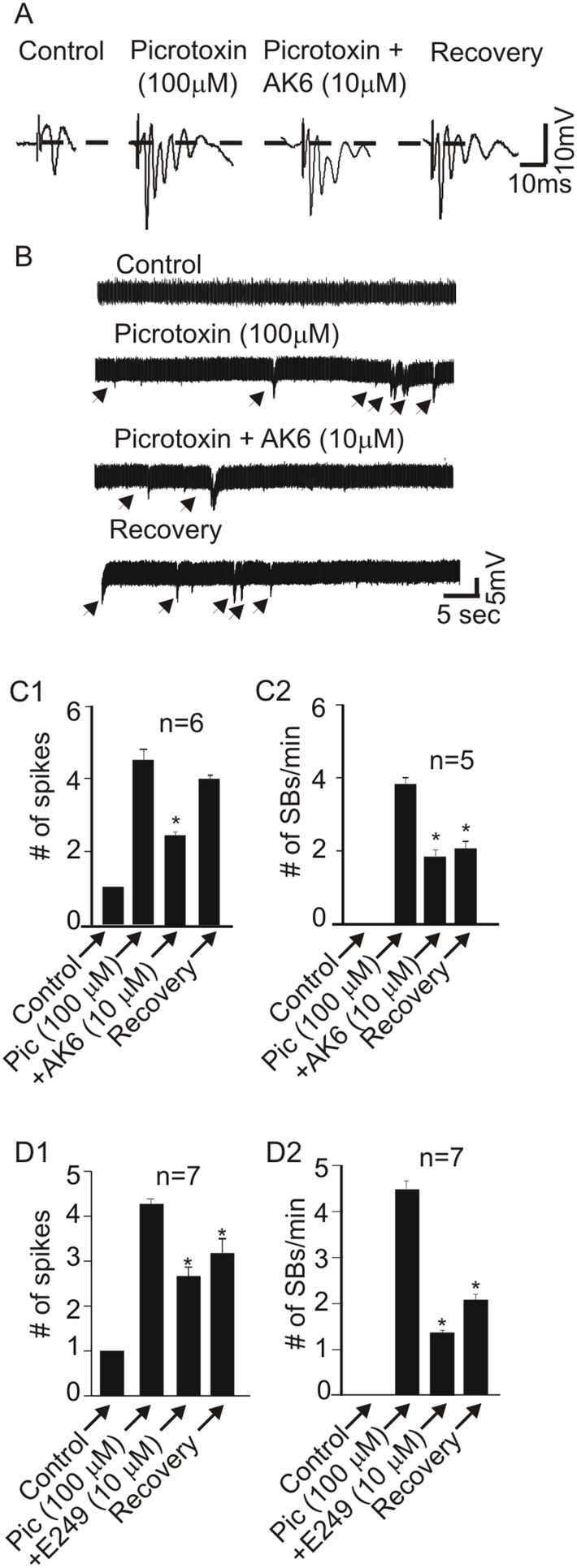
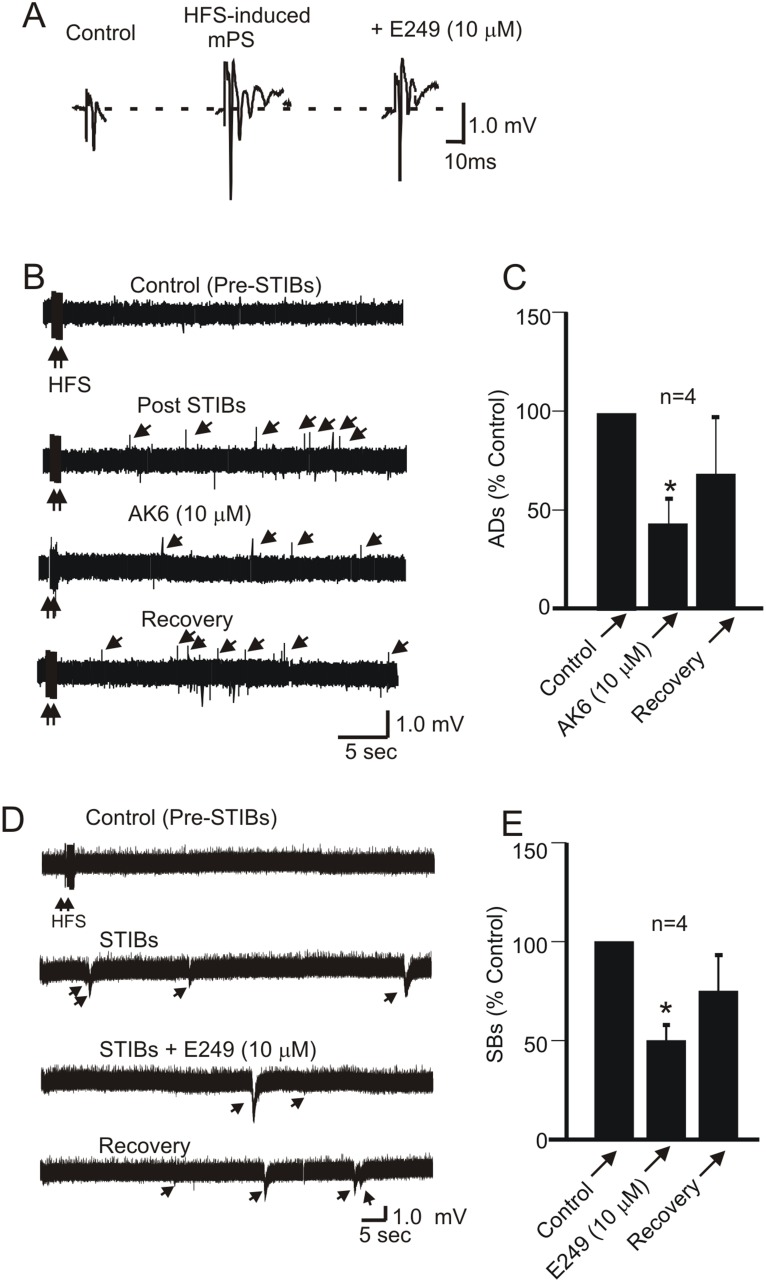
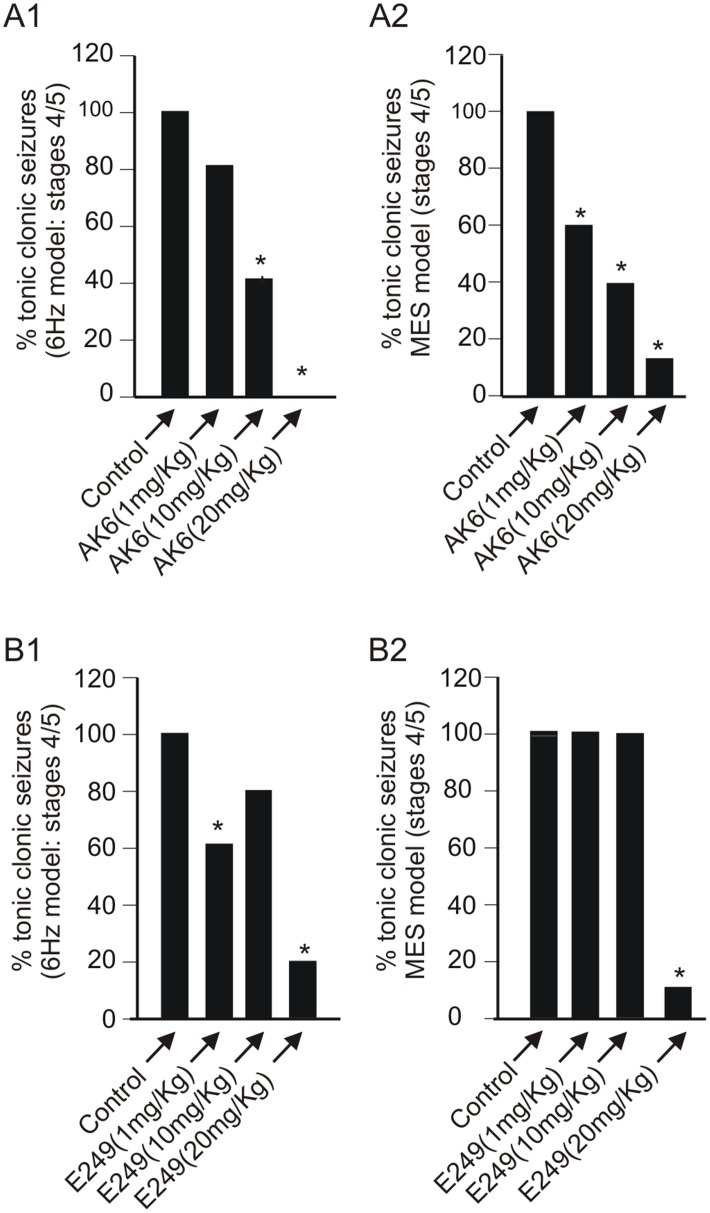
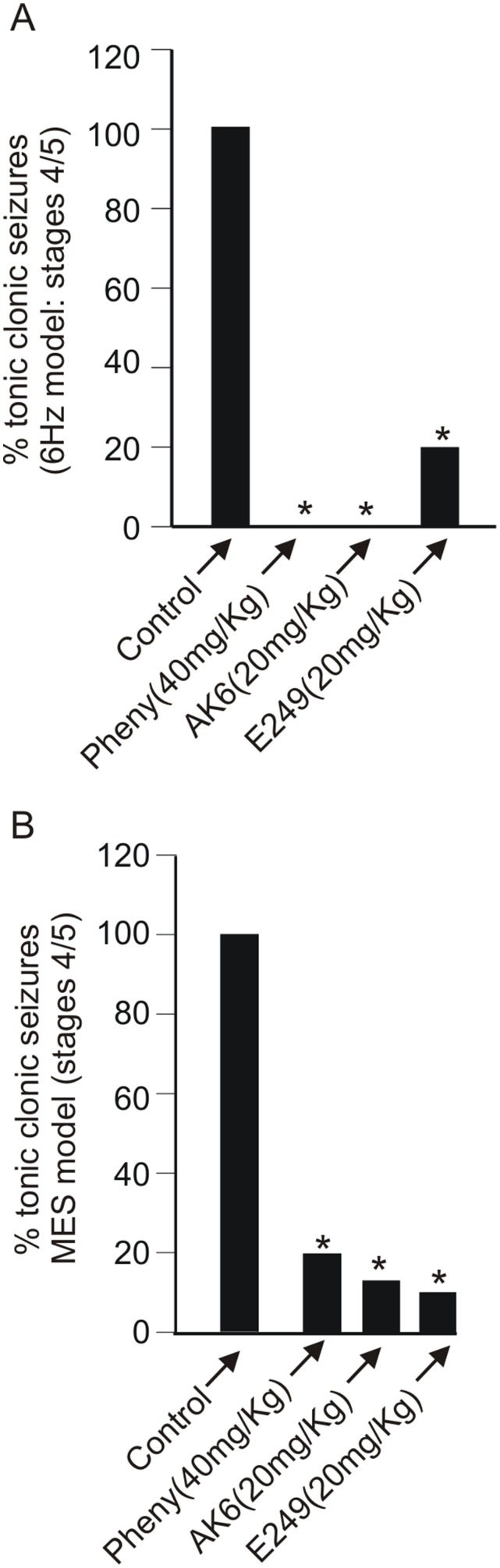
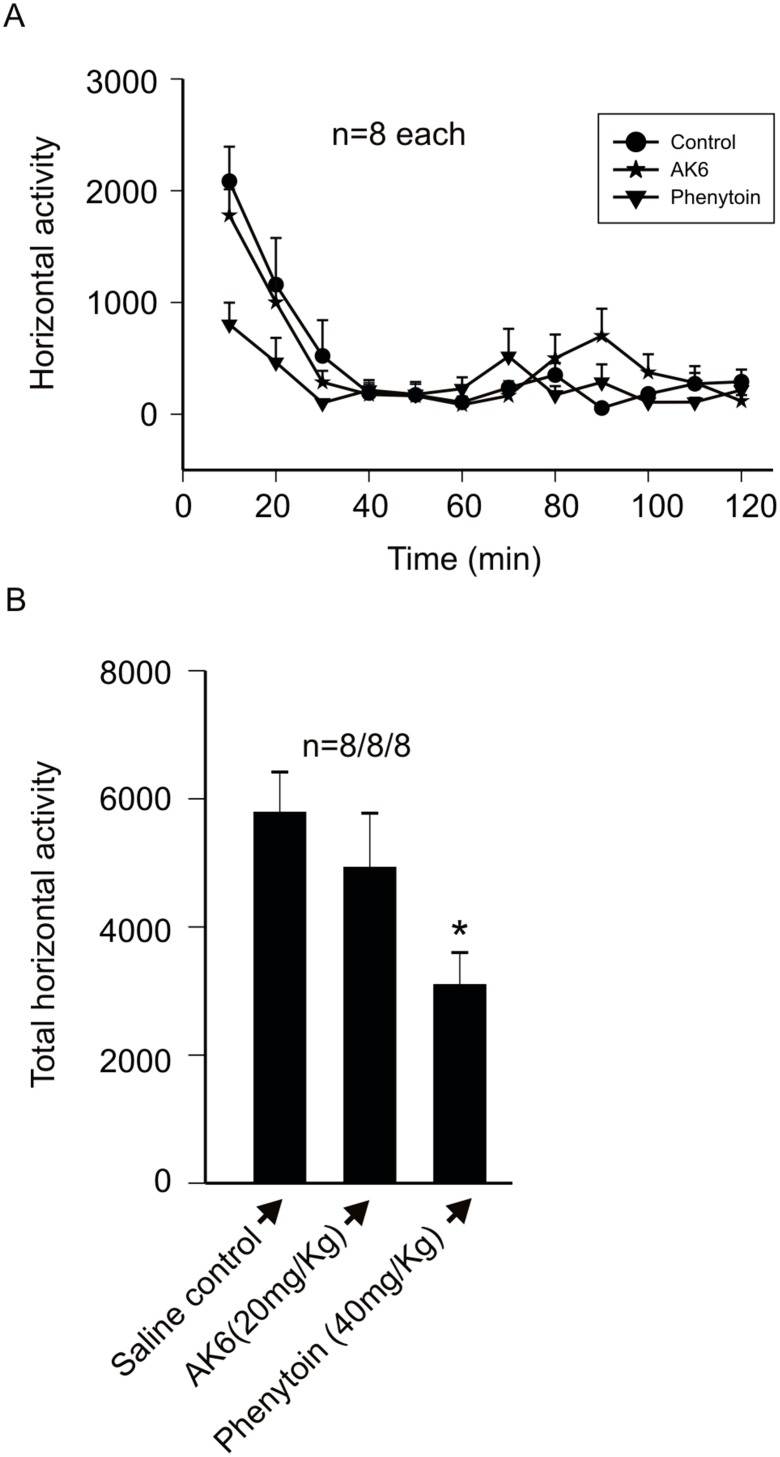
Epilepsy and other seizure disorders are not adequately managed with currently available drugs. We recently synthesized a series of dibromophenyl enaminones and demonstrated that AK6 and E249 were equipotent to previous analogs but more efficacious in suppressing neuronal excitation. Here we examined the actions of these lead compounds on in vitro and in vivo seizure models. In vitro seizures were induced in the hippocampal slice chemically (zero Mg2+ buffer and picrotoxin) and electrically using patterned high frequency stimulation (HFS) of afferents. In vivo seizures were induced in rats using the 6 Hz and the maximal electroshock models. AK6 (10 µM) and E249 (10 µM) depressed the amplitude of population spikes recorded in area CA1 of the hippocampus by -50.5±4.3% and -40.1±3.1% respectively, with partial recovery after washout. In the zero Mg2+ model, AK6 (10 µM) depressed multiple population spiking (mPS) by -59.3±6.9% and spontaneous bursts (SBs) by -65.9±7.2% and in the picrotoxin-model by -43.3±7.2% and -50.0±8.3%, respectively. Likewise, E249 (10 µM) depressed the zero-Mg2+-induced mPS by -48.8±9.5% and SBs by -55.8±15.5%, and in the picrotoxin model by -37.1±5.5% and -56.5±11.4%, respectively. They both suppressed post-HFS induced afterdischarges and SBs. AK6 and E249 dose-dependently protected rats in maximal electroshock and 6 Hz models of in vivo seizures after 30 min pretreatment. Their level of protection in both models was similar to that obtained with phenytoin Finally, while AK6 had no effect on locomotion in rats, phenytoin significantly decreased locomotion. AK6 and E249, suppressed in vitro and in vivo seizures to a similar extent. Their in vivo activities are comparable with but not superior to phenytoin. The most efficacious, AK6 produced no locomotor suppression while phenytoin did. Thus, AK6 and E249 may be excellent candidates for further investigation as potential agents for the treatment of epilepsy syndromes with possibly less CNS side effects.
Conflict of interest statement
Figures
References
-
- Delgado-Escueta AV, Wilson WA, Olsen RW, Porter RJ (1999) New waves of research in the epilepsies: crossing into the third millennium. Adv Neurol 79: 3–58. - PubMed
-
- McCormick DA, Contreras D (2001) On the cellular and network bases of epileptic seizures. Annu Rev Physiol 63: 815–846. - PubMed
-
- Loscher W, Schmidt D (2002) New horizons in the development of antiepileptic drugs. Epilepsy Res 50: 3–16. - PubMed
-
- Pollard JR, French J (2006) Antiepileptic drugs in development. Lancet Neurol 5: 1064–1067. - PubMed
-
- Santhouse J, Carrier C, Arya S, Fowler H, Duncan S (2007) A Comparison of Self-reported Quality of Life between Patients with Epilepsy and Neurocardiogenic Syncope. Epilepsia. - PubMed
Publication types
MeSH terms
Substances
LinkOut - more resources
Full Text Sources
Other Literature Sources
Medical
Miscellaneous
