


Emerging roles for extracellular vesicles in tissue engineering and regenerative medicine
- PMID: 24957510
- PMCID: PMC4321981
- DOI: 10.1089/ten.TEB.2014.0300
Emerging roles for extracellular vesicles in tissue engineering and regenerative medicine
Abstract
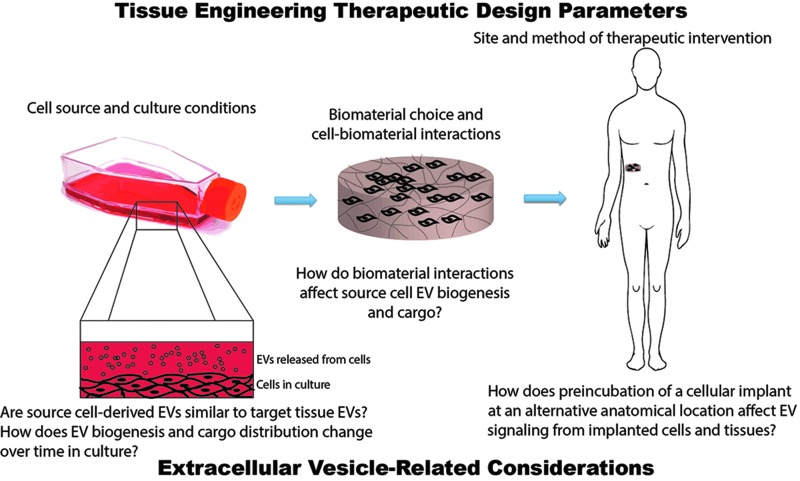
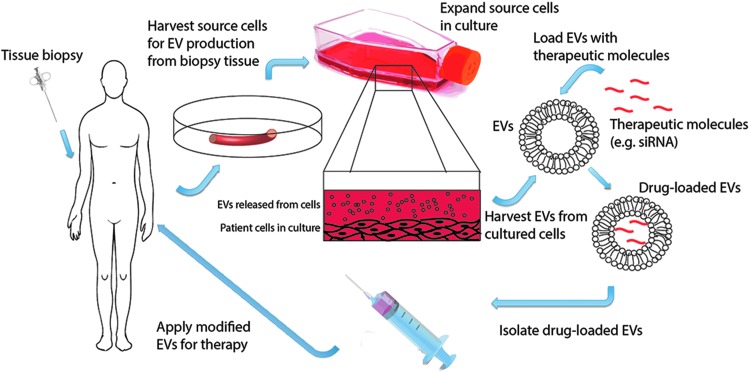
Extracellular vesicles (EVs)-comprising a heterogeneous population of cell-derived lipid vesicles including exosomes, microvesicles, and others-have recently emerged as both mediators of intercellular information transfer in numerous biological systems and vehicles for drug delivery. In both roles, EVs have immense potential to impact tissue engineering and regenerative medicine applications. For example, the therapeutic effects of several progenitor and stem cell-based therapies have been attributed primarily to EVs secreted by these cells, and EVs have been recently reported to play direct roles in injury-induced tissue regeneration processes in multiple physiological systems. In addition, EVs have been utilized for targeted drug delivery in regenerative applications and possess unique potential to be harnessed as patient-derived drug delivery vehicles for personalized medicine. This review discusses EVs in the context of tissue repair and regeneration, including their utilization as drug carriers and their crucial role in cell-based therapies. Furthermore, the article highlights the growing need for bioengineers to understand, consider, and ultimately design and specifically control the activity of EVs to maximize the efficacy of tissue engineering and regenerative therapies.
Figures
References
-
- Valadi H., Ekstrom K., Bossios A., Sjostrand M., Lee J.J., and Lotvall J.O.Exosome-mediated transfer of mRNAs and microRNAs is a novel mechanism of genetic exchange between cells. Nat Cell Biol 9,654, 2007 - PubMed
-
- Andaloussi E.L., Mager I., Breakefield X.O., and Wood M.J.Extracellular vesicles: biology and emerging therapeutic opportunities. Nat Rev Drug Discov 12,347, 2013 - PubMed
Publication types
MeSH terms
Grants and funding
LinkOut - more resources
Full Text Sources
Other Literature Sources
