Reactive metabolites and antioxidant gene polymorphisms in type 2 diabetes mellitus
- PMID: 24959009
- PMCID: PMC4065473
- DOI: 10.4103/0971-6866.132747
Reactive metabolites and antioxidant gene polymorphisms in type 2 diabetes mellitus
Abstract
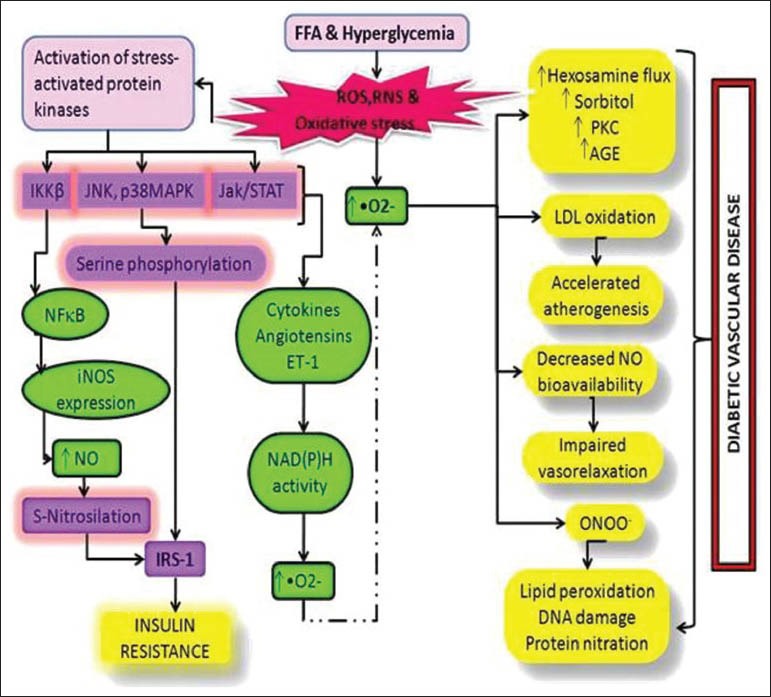
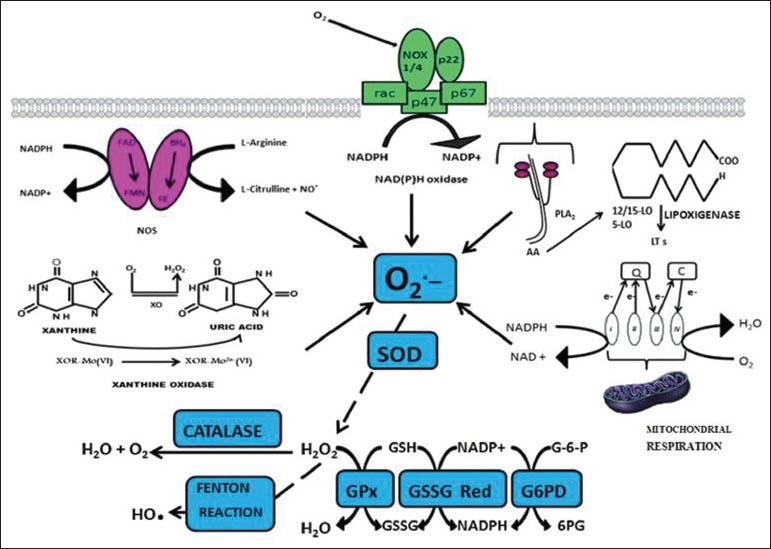
Type 2 diabetes mellitus (T2DM), by definition is a heterogeneous, multifactorial, polygenic syndrome which results from insulin receptor (IR) dysfunction. It is an outcome of oxidative stress caused by interactions of reactive metabolites (RMs) with lipids, proteins and other molecules of the human body. Production of RMs mainly superoxides (•O2 (-)) has been found in a variety of predominating cellular enzyme systems including nicotinamide adenine dinucleotide phosphate oxidase, xanthine oxidase, cyclooxygenase, endothelial nitric oxide synthase (eNOS) and myeloperoxidase. The four main RM related molecular mechanisms are: increased polyol pathway flux; increased advanced glycation end-product formation; activation of protein kinase C isoforms and increased hexosamine pathway flux which have been implicated in glucose-mediated vascular damage. Superoxide dismutase, catalase, glutathione peroxidase, glutathione-S-transferase and NOS are antioxidant enzymes involved in scavenging RMs in normal individuals. Functional polymorphisms of these antioxidant enzymes have been reported to be involved in the pathogenesis of T2DM. The low levels of antioxidant enzymes or their non-functionality results in excessive RMs which initiates stress related pathways thereby leading to IR and T2DM. An attempt has been made to review the role of RMs and antioxidant enzymes in oxidative stress resulting in T2DM.
Keywords: Antioxidants; oxidative stress; polymorphisms; reactive metabolites; type 2 diabetes mellitus.
Conflict of interest statement
Figures
References
-
- Diabetes Atlas. 5th ed. USA: World Diabetes Foundation; 2012. International Diabetes Federation (IDF) - PubMed
-
- Banerjee M, Saxena M. Type 2 Diabetes Mellitus: Causes, Treatment and Preventive Strategies. New York: Nova Science Publishers Inc; 2012. An overview and molecular genetics of type 2 diabetes mellitus; pp. 1–64.
-
- Taniyama Y, Griendling KK. Reactive oxygen species in the vasculature: Molecular and cellular mechanisms. Hypertension. 2003;42:1075–81. - PubMed
Publication types
LinkOut - more resources
Full Text Sources
Other Literature Sources
Research Materials