


Avirulence effector discovery in a plant galling and plant parasitic arthropod, the Hessian fly (Mayetiola destructor)
- PMID: 24964065
- PMCID: PMC4071006
- DOI: 10.1371/journal.pone.0100958
Avirulence effector discovery in a plant galling and plant parasitic arthropod, the Hessian fly (Mayetiola destructor)
Abstract
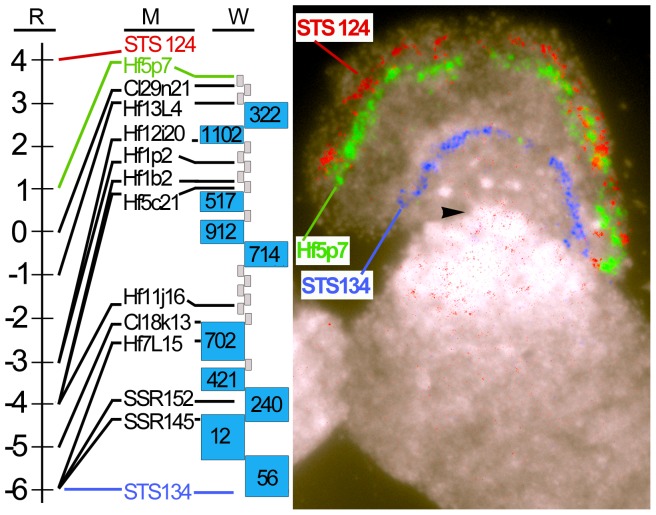
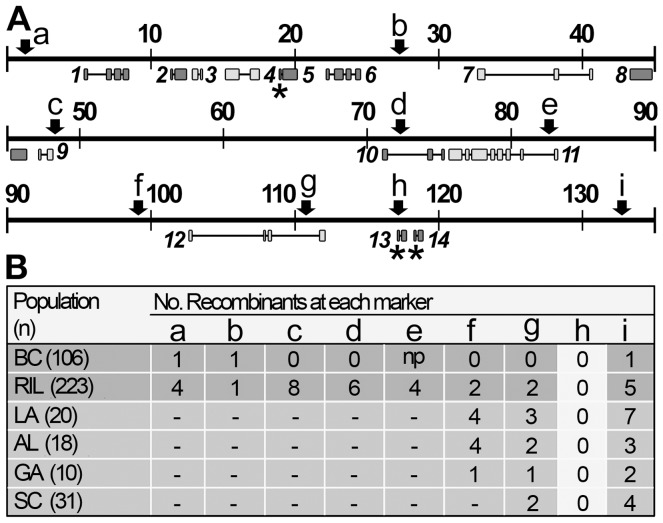
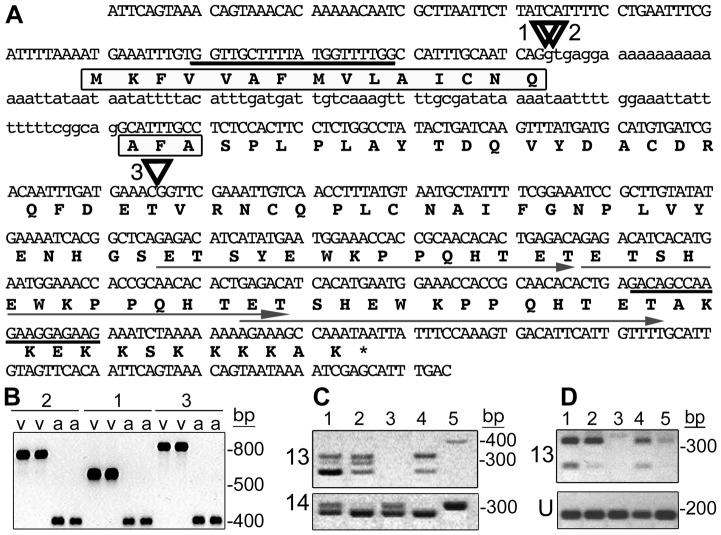
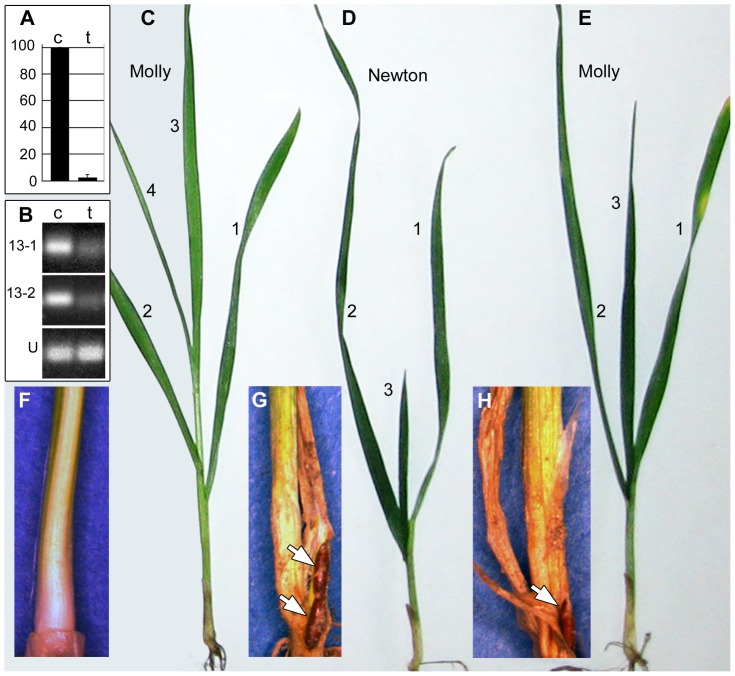
Highly specialized obligate plant-parasites exist within several groups of arthropods (insects and mites). Many of these are important pests, but the molecular basis of their parasitism and its evolution are poorly understood. One hypothesis is that plant parasitic arthropods use effector proteins to defeat basal plant immunity and modulate plant growth. Because avirulence (Avr) gene discovery is a reliable method of effector identification, we tested this hypothesis using high-resolution molecular genetic mapping of an Avr gene (vH13) in the Hessian fly (HF, Mayetiola destructor), an important gall midge pest of wheat (Triticum spp.). Chromosome walking resolved the position of vH13, and revealed alleles that determine whether HF larvae are virulent (survive) or avirulent (die) on wheat seedlings carrying the wheat H13 resistance gene. Association mapping found three independent insertions in vH13 that appear to be responsible for H13-virulence in field populations. We observed vH13 transcription in H13-avirulent larvae and the salivary glands of H13-avirulent larvae, but not in H13-virulent larvae. RNA-interference-knockdown of vH13 transcripts allowed some H13-avirulent larvae to escape H13-directed resistance. vH13 is the first Avr gene identified in an arthropod. It encodes a small modular protein with no sequence similarities to other proteins in GenBank. These data clearly support the hypothesis that an effector-based strategy has evolved in multiple lineages of plant parasites, including arthropods.
Conflict of interest statement
Figures
References
-
- Dangl JL, Jones JDG (2001) Plant pathogens and integrated defence responses to infection. Nature 411: 826–833. - PubMed
-
- Jones JDG, Dangl JL (2006) The plant immune system. Nature 444: 323–329. - PubMed
-
- Stergiopoulos I, de Wit PJGM (2009) Fungal Effector Proteins. Ann Rev Phytopathol 47: 233–263. - PubMed
-
- Chisholm ST, Coaker G, Day B, Staskawicz BJ (2006) Host–microbe interactions: shaping the evolution of the plant immune response. Cell Microbiol 124: 803–814. - PubMed
-
- Bent AF, Mackey D (2007) Elicitors, effectors, and R genes: The new paradigm and a lifetime supply of questions. Annu Rev Phytopath 45: 399–346. - PubMed
Publication types
MeSH terms
Substances
LinkOut - more resources
Full Text Sources
Other Literature Sources
Research Materials
Miscellaneous
