


Functional impairment, disability, and frailty in adults aging with HIV-infection
- PMID: 24966138
- PMCID: PMC4125474
- DOI: 10.1007/s11904-014-0215-y
Functional impairment, disability, and frailty in adults aging with HIV-infection
Abstract
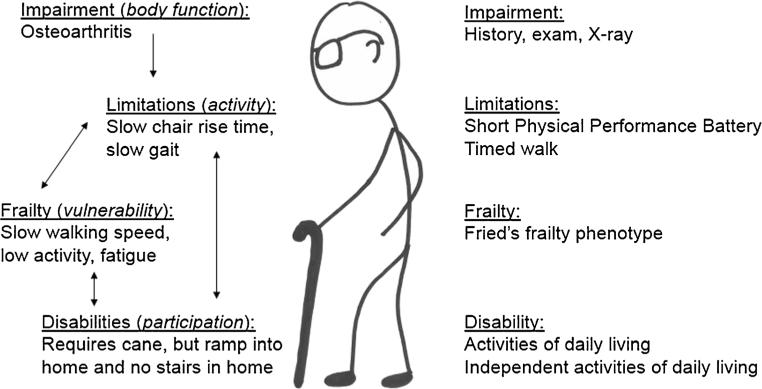
The integration of antiretroviral therapy (i.e., ART) into HIV care has dramatically extended the life expectancy of those living with HIV. However, in comparison to similar HIV-uninfected populations, HIV-infected persons experience an excess of morbidity and mortality with an early onset of aging complications including neurocognitive decline, osteoporosis, impaired physical function, frailty, and falls. Recent consensus guidelines encourage clinicians and researchers to consider functional impairment of HIV-infected adults as a measure to understand the impact of aging across a range of abilities. Despite the importance of assessing function in persons aging with HIV infection, a lack of consistent terminology and standardization of assessment tools has limited the application of functional assessments in clinical or research settings. Herein, we distinguish between different approaches used to assess function, describe what is known about function in the aging HIV population, and consider directions for future research.
Figures
References
-
- Summary report from the Human Immunodeficiency Virus and Aging Consensus Project: treatment strategies for clinicians managing older individuals with the human immunodeficiency virus. J Am Geriatr Soc. 2012;60:974–979. [This is a nice summary of the key points from the HIV and Aging Consensus Project document and highlights issues in clinical care and research priorities.] - PubMed
-
- Guaraldi G, Orlando G, Zona S, Menozzi M, Carli F, Garlassi E, et al. Premature age-related comorbidities among HIV-infected persons compared with the general population. Clin Infect Dis. 2011;53:1120–6. - PubMed
Publication types
MeSH terms
Substances
Grants and funding
LinkOut - more resources
Full Text Sources
Other Literature Sources
Medical
