


Sex differences in the mechanisms underlying long QT syndrome
- PMID: 24973386
- PMCID: PMC4187395
- DOI: 10.1152/ajpheart.00864.2013
Sex differences in the mechanisms underlying long QT syndrome
Abstract
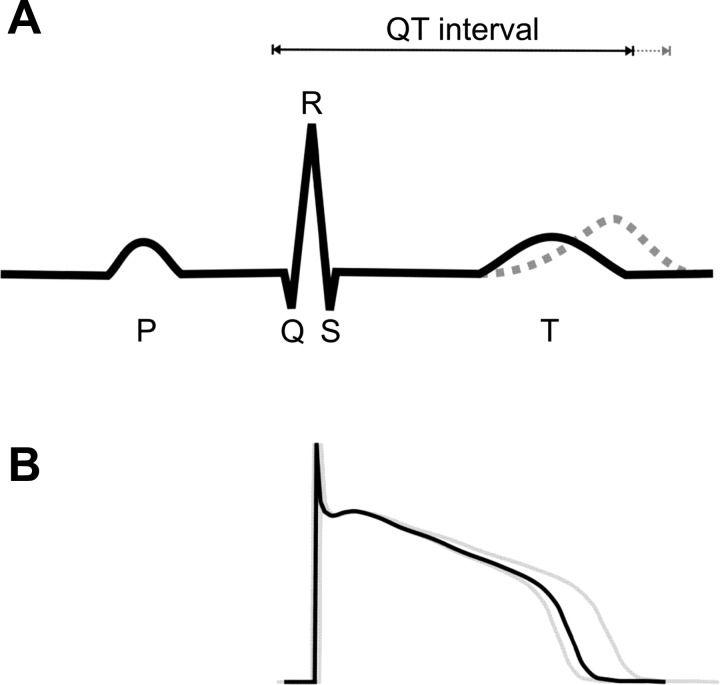
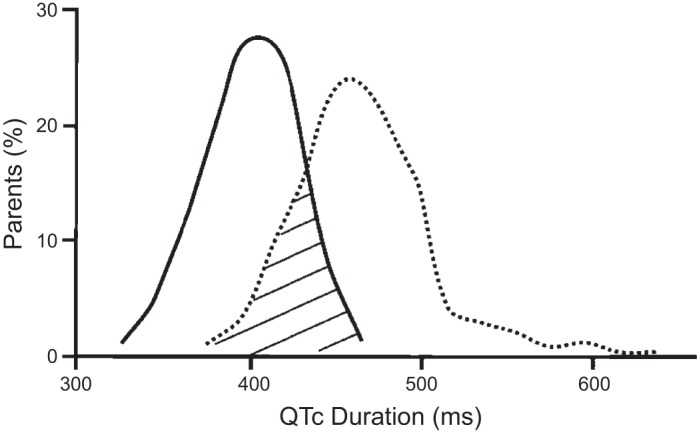
Sexual dimorphism is a well-established phenomenon, but its degree varies tremendously among species. Since the early days of Einthoven's development of the three-lead galvanometer ECG, we have known there are marked differences in QT intervals of men and women. It required over a century to appreciate the profound implications of sex-based electrophysiological differences in QT interval on the panoply of sex differences with respect to arrhythmia risk, drug sensitivity, and treatment modalities. Little is known about the fundamental mechanism responsible for sex differences in electrical substrate of the human heart, in large part due to the lack of tissue availability. Animal models are an important research tool, but species differences in the sexual dimorphism of the QT interval, the ionic currents underlying the cardiac repolarization, and effects of sex steroids make it difficult to interpolate animal to human sex differences. In addition, in some species, different strains of the same animal model yield conflicting data. Each model has its strengths, such as ease of genetic manipulation in mice or size in dogs. However, many animals do not reproduce the sexual dimorphism of QT seen in humans. To match sex linked prolongation of QT interval and arrhythmogenic phenotype, the current data suggest that the rabbit may be best suited to provide insight into sex differences in humans. In the future, emerging technologies such as induced pluripotent stem cell derived cardiac myocyte systems may offer the opportunity to study sex differences in a controlled hormonal situation in the context of a sex specific human model system.
Keywords: action potential; arrhythmia; estradiol; hormones; ion channels.
Copyright © 2014 the American Physiological Society.
Figures
References
-
- Antzelevitch C, Shimizu W, Yan GX, Sicouri S. Cellular basis for QT dispersion. J Electrocardiol 30 Suppl: 168–175, 1998 - PubMed
-
- Barajas-Martinez H, Haufe V, Chamberland C, Roy MJ, Fecteau MH, Cordeiro JM, Dumaine R. Larger dispersion of INa in female dog ventricle as a mechanism for gender-specific incidence of cardiac arrhythmias. Cardiovasc Res 81: 82–89, 2009 - PubMed
-
- Bazett HC. An analysis of the time-relations of electrocardiograms. Heart 7: 353–370, 1920
Publication types
MeSH terms
Substances
Grants and funding
LinkOut - more resources
Full Text Sources
Other Literature Sources
