


Sensory, psychological, and metabolic dysfunction in HIV-associated peripheral neuropathy: A cross-sectional deep profiling study
- PMID: 24973717
- PMCID: PMC4165602
- DOI: 10.1016/j.pain.2014.06.014
Sensory, psychological, and metabolic dysfunction in HIV-associated peripheral neuropathy: A cross-sectional deep profiling study
Abstract
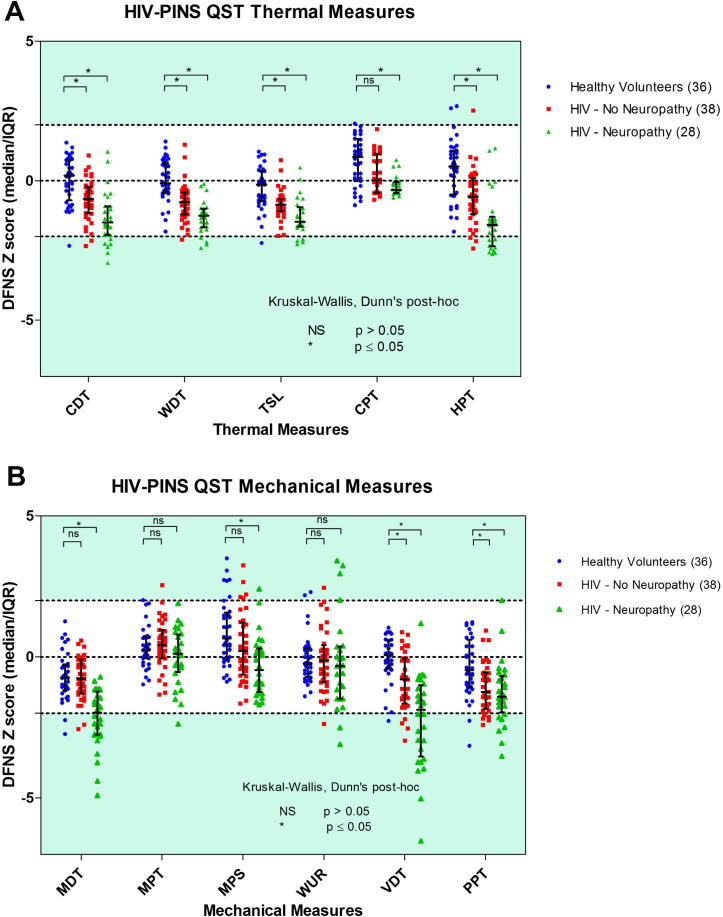
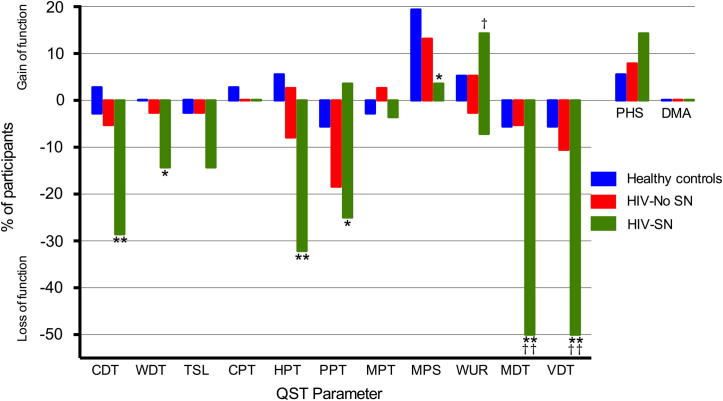
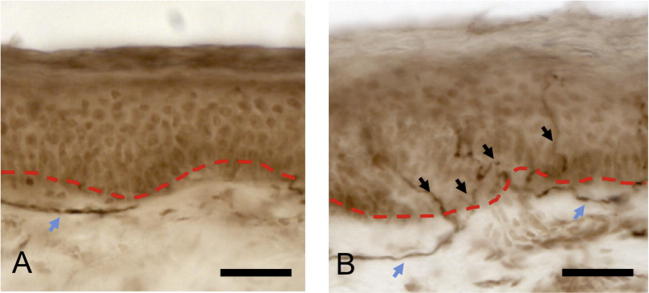
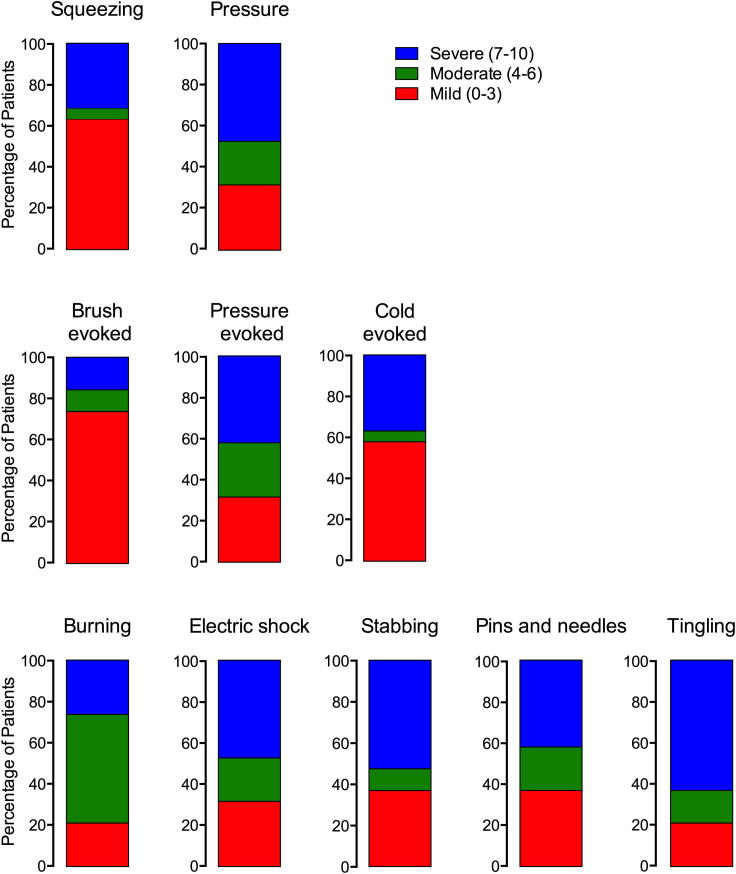
HIV-associated sensory neuropathy (HIV-SN) is a frequent complication of HIV infection and a major source of morbidity. A cross-sectional deep profiling study examining HIV-SN was conducted in people living with HIV in a high resource setting using a battery of measures which included the following: parameters of pain and sensory symptoms (7day pain diary, Neuropathic Pain Symptom Inventory [NPSI] and Brief Pain Inventory [BPI]), sensory innervation (structured neurological examination, quantitative sensory testing [QST] and intraepidermal nerve fibre density [IENFD]), psychological state (Pain Anxiety Symptoms Scale-20 [PASS-20], Depression Anxiety and Positive Outlook Scale [DAPOS], and Pain Catastrophizing Scale [PCS], insomnia (Insomnia Severity Index [ISI]), and quality of life (Short Form (36) Health Survey [SF-36]). The diagnostic utility of the Brief Peripheral Neuropathy Screen (BPNS), Utah Early Neuropathy Scale (UENS), and Toronto Clinical Scoring System (TCSS) were evaluated. Thirty-six healthy volunteers and 66 HIV infected participants were recruited. A novel triumvirate case definition for HIV-SN was used that required 2 out of 3 of the following: 2 or more abnormal QST findings, reduced IENFD, and signs of a peripheral neuropathy on a structured neurological examination. Of those with HIV, 42% fulfilled the case definition for HIV-SN (n=28), of whom 75% (n=21) reported pain. The most frequent QST abnormalities in HIV-SN were loss of function in mechanical and vibration detection. Structured clinical examination was superior to QST or IENFD in HIV-SN diagnosis. HIV-SN participants had higher plasma triglyceride, concentrations depression, anxiety and catastrophizing scores, and prevalence of insomnia than HIV participants without HIV-SN.
Keywords: Anxiety; Catastrophizing; Depression; Diagnosis; HIV-SN; IENFD; Pain; Phenotyping; QST; Quality of life; Triglycerides.
Copyright © 2014 The Authors. Published by Elsevier B.V. All rights reserved.
Figures
References
-
- Affandi J.S., Price P., Imran D., Yunihastuti E., Djauzi S., Cherry C.L. Can we predict neuropathy risk before stavudine prescription in a resource-limited setting? AIDS Res Hum Retroviruses. 2008;24:1281–1284. - PubMed
-
- Bakkers M., Merkies I.S.J., Lauria G., Devigili G., Penza P., Lombardi R., Hermans M.C.E., van Nes S.I., De Baets M., Faber C.G. Intraepidermal nerve fiber density and its application in sarcoidosis. Neurology. 2009;73:1142–1148. - PubMed
-
- Bastien C.H., Vallières A., Morin C.M. Validation of the Insomnia Severity Index as an outcome measure for insomnia research. Sleep Med. 2001;2:297–307. - PubMed
Publication types
MeSH terms
Grants and funding
LinkOut - more resources
Full Text Sources
Other Literature Sources
Medical
