


Insertional hypermutation in mineral oil-induced plasmacytomas
- PMID: 24975032
- PMCID: PMC4165787
- DOI: 10.1002/eji.201344322
Insertional hypermutation in mineral oil-induced plasmacytomas
Abstract
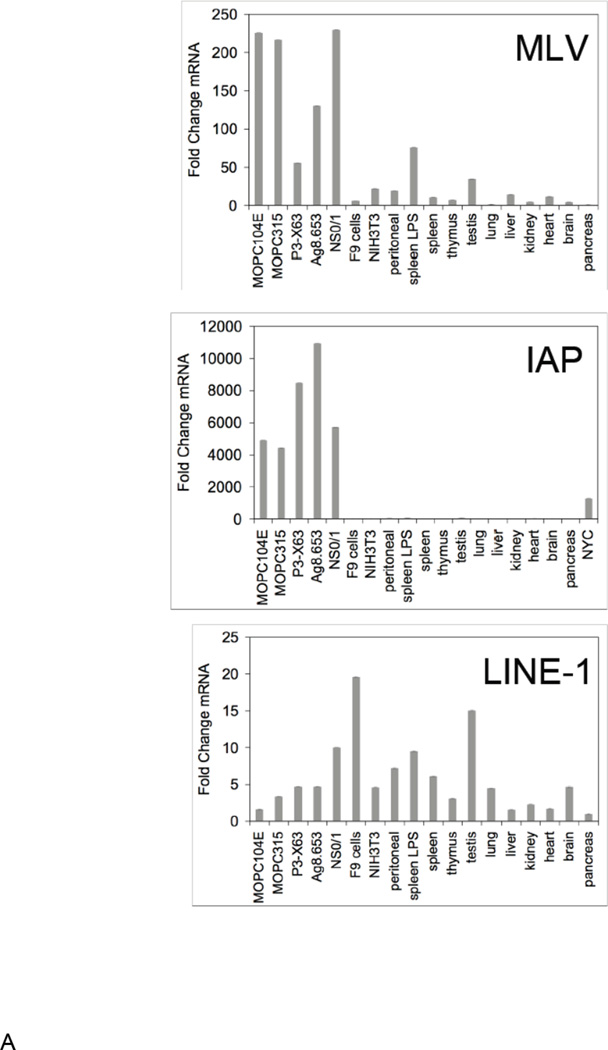
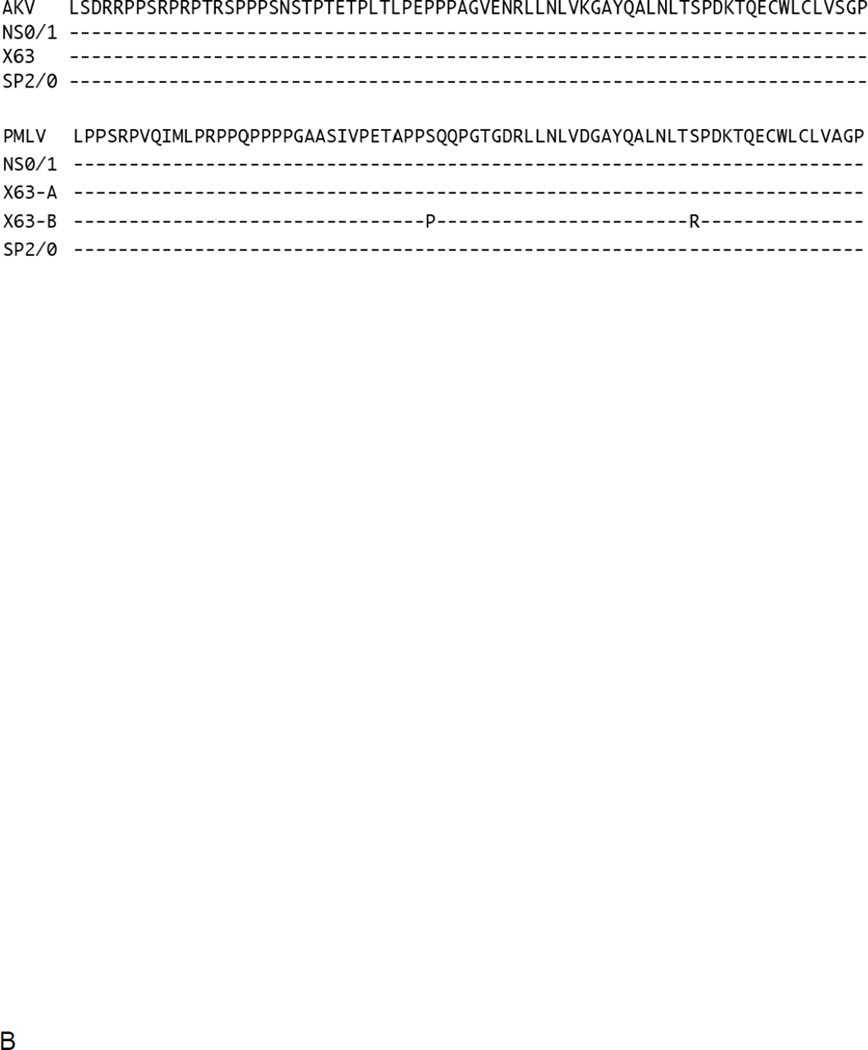
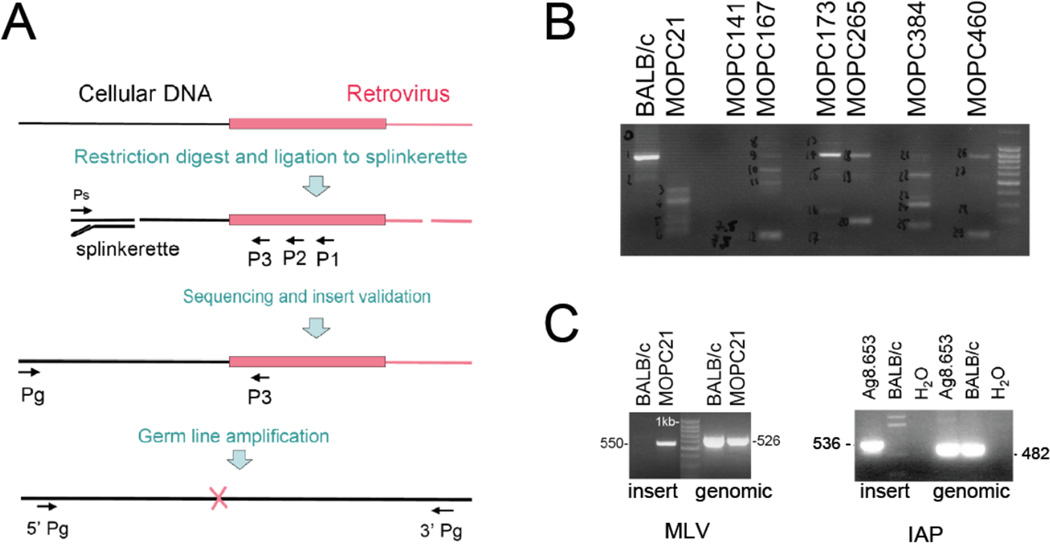
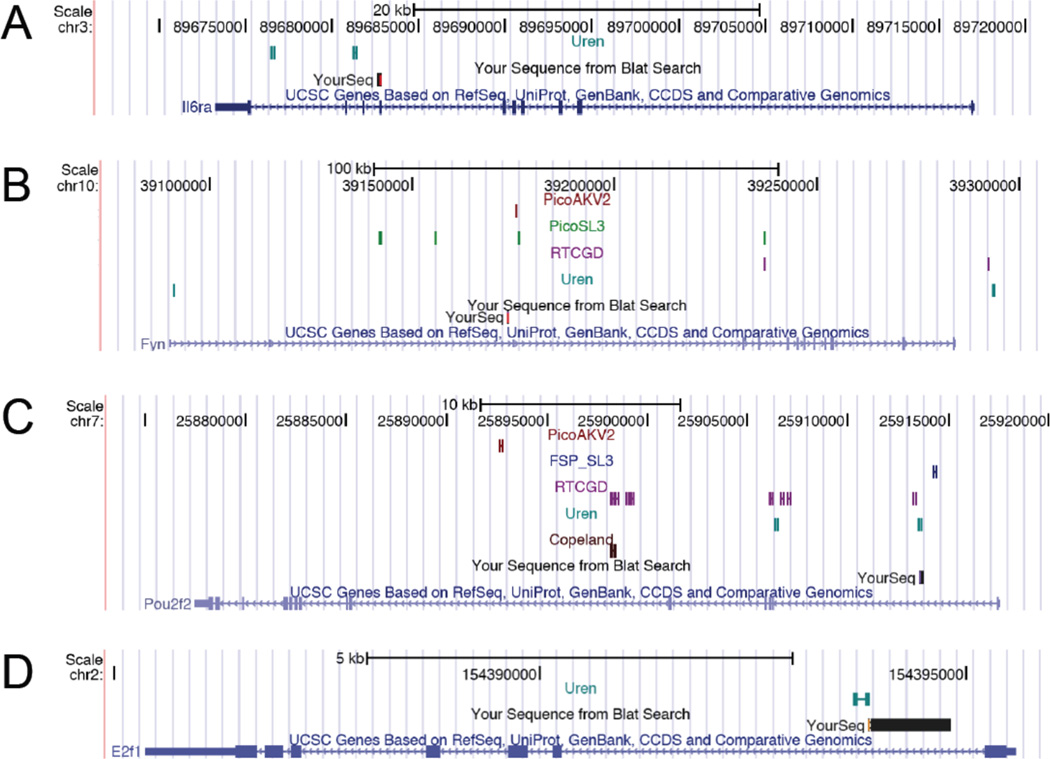
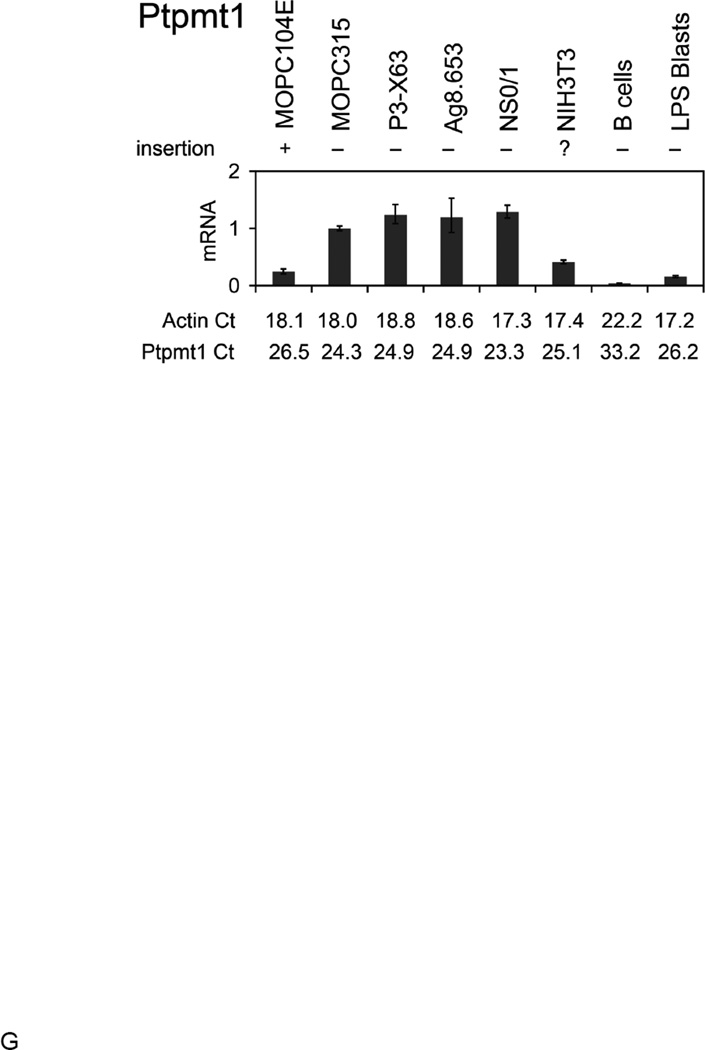
Unless stimulated by a chronic inflammatory agent, such as mineral oil, plasma cell tumors are rare in young BALB/c mice. This raises the questions: What do inflammatory tissues provide to promote mutagenesis? And what is the nature of mutagenesis? We determined that mineral oil-induced plasmacytomas produce large amounts of endogenous retroelements--ecotropic and polytropic murine leukemia virus and intracisternal A particles. Therefore, plasmacytoma formation might occur, in part, by de novo insertion of these retroelements, induced or helped by the inflammation. We recovered up to ten de novo insertions in a single plasmacytoma, mostly in genes with common retroviral integration sites. Additional integrations accompany tumor evolution from a solid tumor through several generations in cell culture. The high frequency of de novo integrations into cancer genes suggests that endogenous retroelements are coresponsible for plasmacytoma formation and progression in BALB/c mice.
Keywords: Endogenous retroelements; Inflammation; Mutagenesis; Plasmacytomas; Tumor evolution.
© 2014 WILEY-VCH Verlag GmbH & Co. KGaA, Weinheim.
Figures
References
-
- Potter M, Wiener F. Plasmacytomagenesis in mice: model of neoplastic development dependent upon chromosomal translocations. Carcinogenesis. 1992;13:1681–1697. - PubMed
-
- Potter M. The early history of plasma cell tumors in mice, 1954–1976. Adv Cancer Res. 2007;98:17–51. - PubMed
-
- Potter M, Maccardle RC. Histology of Developing Plasma Cell Neoplasia Induced by Mineral Oil in Balb/C Mice. J Natl Cancer Inst. 1964;33:497–515. - PubMed
Publication types
MeSH terms
Substances
Grants and funding
LinkOut - more resources
Full Text Sources
Other Literature Sources
