


Use of a synthetic cannabinoid in a correctional population for posttraumatic stress disorder-related insomnia and nightmares, chronic pain, harm reduction, and other indications: a retrospective evaluation
- PMID: 24987795
- PMCID: PMC4165471
- DOI: 10.1097/JCP.0000000000000180
Use of a synthetic cannabinoid in a correctional population for posttraumatic stress disorder-related insomnia and nightmares, chronic pain, harm reduction, and other indications: a retrospective evaluation
Abstract
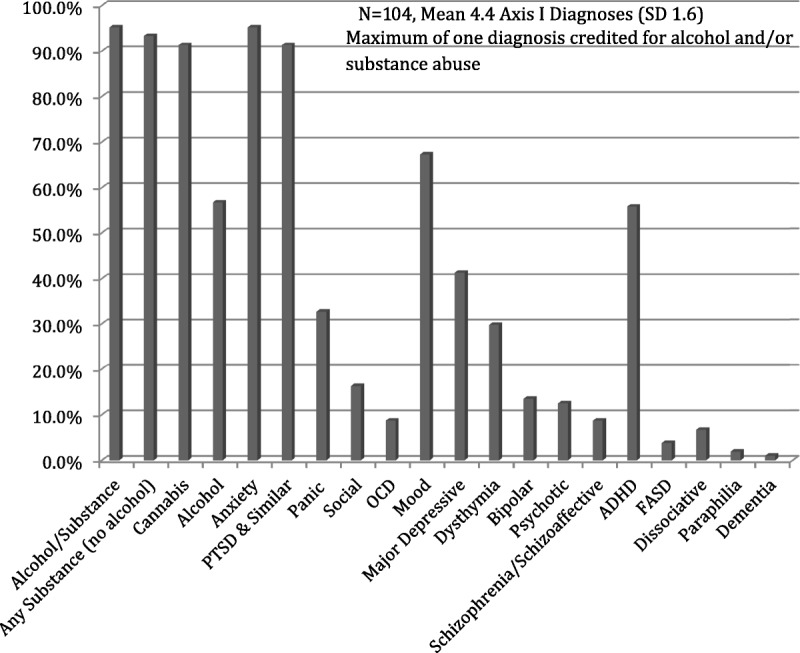
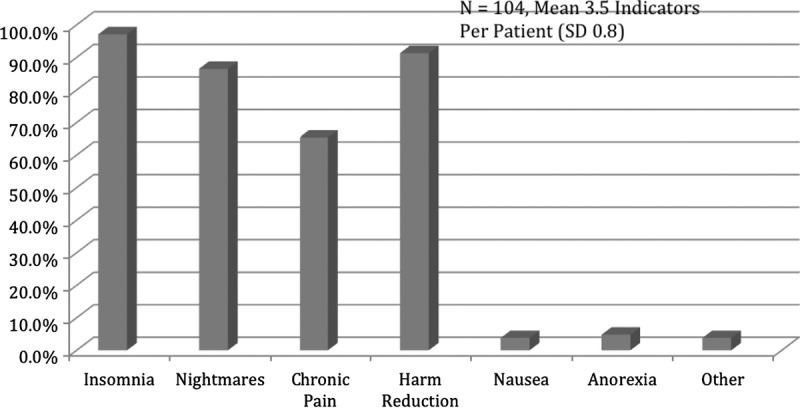
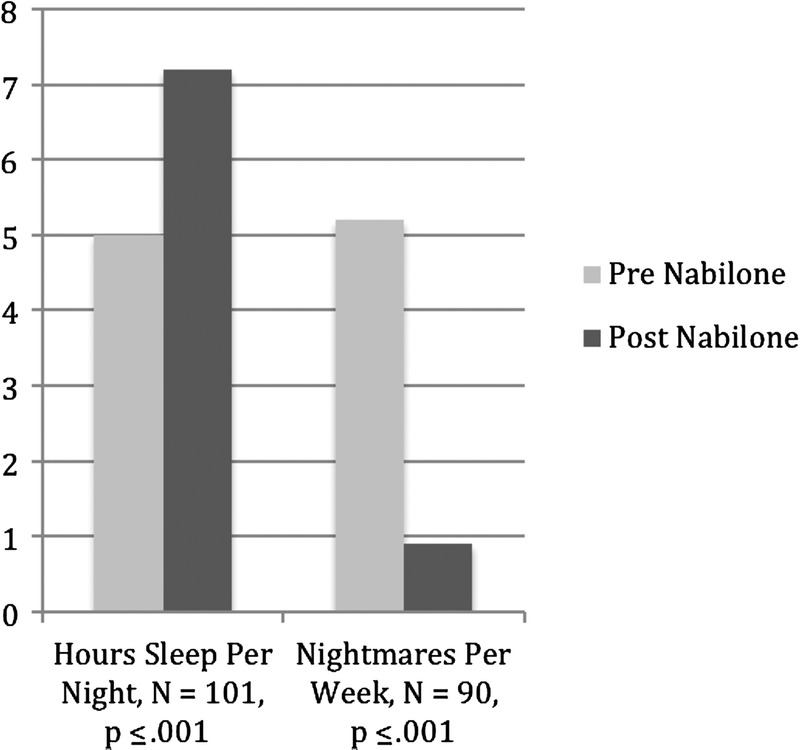
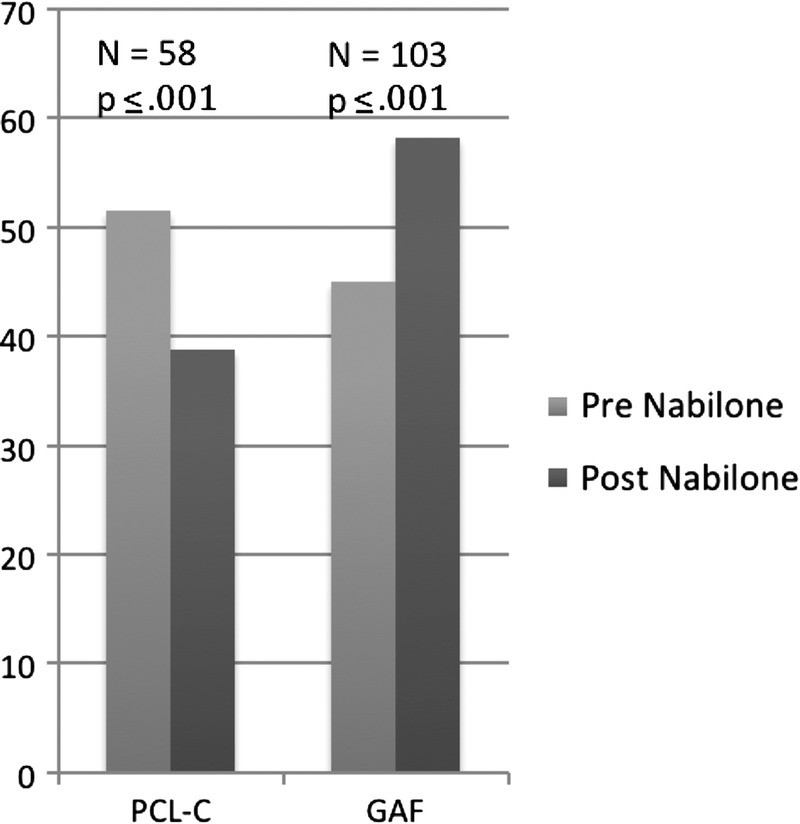
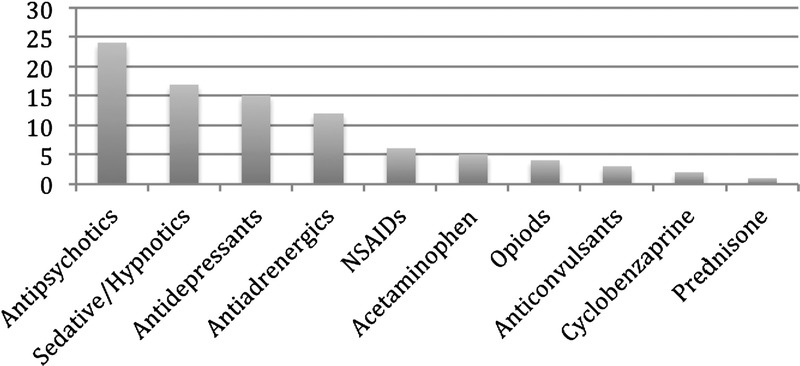
Nabilone is a synthetic cannabinoid that has shown promise for the treatment of posttraumatic stress disorder (PTSD)-related insomnia and nightmares as well as efficacy in the management of chronic pain. It has also been proposed for harm reduction in cannabis dependence. Its effectiveness for management of concurrent disorders in seriously mentally ill correctional populations has not been evaluated. This retrospective study of 104 male inmates with serious mental illness prescribed nabilone analyzes the indications, efficacy, and safety of its use. Medications discontinued with the initiation of nabilone were also reviewed. The results showed nabilone targeting a mean of 3.5 indications per patient, thus likely reducing polypharmacy risk. The mean final dosage was 4.0 mg. Results indicated significant improvement in PTSD-associated insomnia, nightmares, PTSD symptoms, and Global Assessment of Functioning and subjective improvement in chronic pain. Medications associated with greater risk for adverse effects or abuse than nabilone were often able to be discontinued with the initiation of nabilone, most often antipsychotics and sedative/hypnotics. There was no evidence of abuse within this high-risk population or reduction of efficacy when nabilone was given in powder form with water rather than as a capsule. This study supports the promise of nabilone as a safe, effective treatment for concurrent disorders in seriously mentally ill correctional populations. Prospective, randomized controlled trials are required to confirm our preliminary results. Follow-up in the community will be required to confirm effectiveness in harm reduction.
Conflict of interest statement
No funding was received for this study.
Figures
References
-
- Earlywine M. Chapter 1: Highlights in the history of cannabis. In: Understanding Marijuana: A New Look at the Scientific Evidence. Oxford: Oxford University Press; 2002; 3– 28
-
- Ben Amar M. Cannabinoids in medicine: a review of their therapeutic potential. J Ethnopharmacol. 2006; 105; 1– 2:1-25 - PubMed
-
- Repchinsky C. Compendium of Pharmaceuticals & Specialities. Ottawa, Ontario, Canada: Canadian Pharmacists Association; 2013
MeSH terms
Substances
LinkOut - more resources
Full Text Sources
Other Literature Sources
Medical
