


Self-medication with anti-malarials is a common practice in rural communities of Kilosa district in Tanzania despite the reported decline of malaria
- PMID: 24992941
- PMCID: PMC4087197
- DOI: 10.1186/1475-2875-13-252
Self-medication with anti-malarials is a common practice in rural communities of Kilosa district in Tanzania despite the reported decline of malaria
Abstract
Background: Self-medication has been widely practiced worldwide particularly in developing countries including Tanzania. In sub-Saharan Africa high incidences of malaria have contributed to self-medication with anti-malarial drugs. In recent years, there has been a gain in malaria control, which has led to decreased malaria transmission, morbidity and mortality. Therefore, understanding the patterns of self-medication during this period when most instances of fever are presumed to be due to non-malaria febrile illnesses is important. In this study, self-medication practice was assessed among community members and information on the habit of self-medication was gathered from health workers.
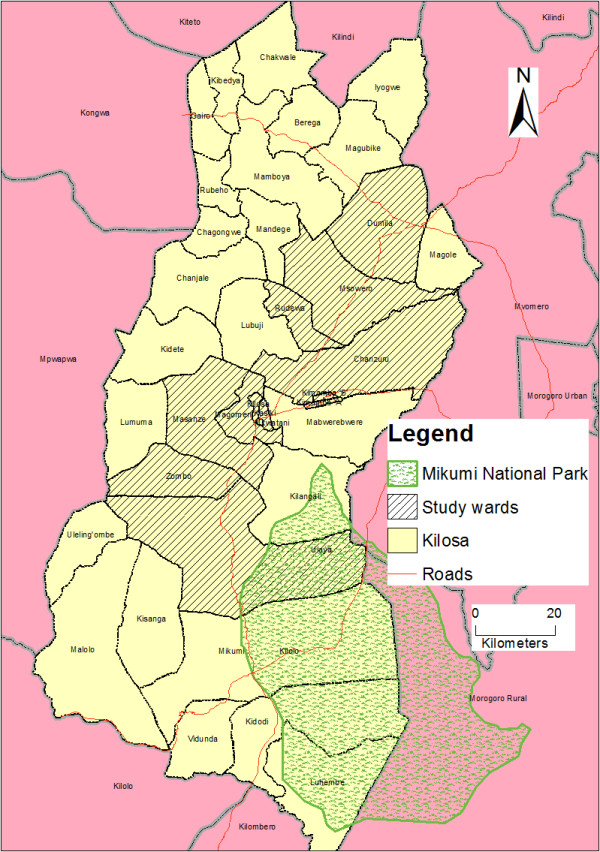
Methods: Twelve focus group discussions (FGD) with members of communities and 14 in-depth interviews (IDI) with health workers were conducted in Kilosa district, Tanzania. The transcripts were coded into different categories by MaxQDA software and then analysed through thematic content analysis.
Results: The study revealed that self-medication was a common practice among FGD participants. Anti-malarial drugs including sulphadoxine-pyrimethamine and quinine were frequently used by the participants for treatment of fever. Study participants reported that they visited health facilities following failure of self-medication or if there was no significant improvement after self-medication. The common reported reasons for self-medication were shortages of drugs at health facilities, long waiting time at health facilities, long distance to health facilities, inability to pay for health care charges and the freedom to choose the preferred drugs.
Conclusion: This study demonstrated that self-medication practice is common among rural communities in the study area. The need for community awareness is emphasized for correct and comprehensive information about drawbacks associated with self-medication practices. Deliberate efforts by the government and other stakeholders to improve health care services, particularly at primary health care facilities will help to reduce self-medication practices.
Figures
References
-
- WHO. Guidelines for the regulatory assessment of medicinal products for use in self-medication. Geneva: WHO/EDM/QSM00.1 World Health Organization; 2000.
-
- Geissler PW, Nokes K, Prince RJ, Achieng’Odhiambo R, Aagaard-Hansen J, Ouma JH. Children and medicines: self-treatment of common illnesses among Luo schoolchildren in western Kenya. Soc Sci Med. 2000;50:1771–1783. - PubMed
-
- Awad A, Eltayeb I, Matowe L, Thalib L. Self-medication with antibiotics and antimalarials in the community of Khartoum State, Sudan. J Pharm Pharm Sci. 2005;8:326–331. - PubMed
-
- Nsimba SED, Rimoy GH. Self-medication with chloroquine in a rural district of Tanzania: a therapeutic challenge for any future malaria treatment policy change in the country. J Clin Pharm Ther. 2005;30:515–519. - PubMed
Publication types
MeSH terms
Substances
LinkOut - more resources
Full Text Sources
Other Literature Sources
