


Formation of cartilage and synovial tissue by human gingival stem cells
- PMID: 25003637
- PMCID: PMC4236036
- DOI: 10.1089/scd.2013.0547
Formation of cartilage and synovial tissue by human gingival stem cells
Abstract
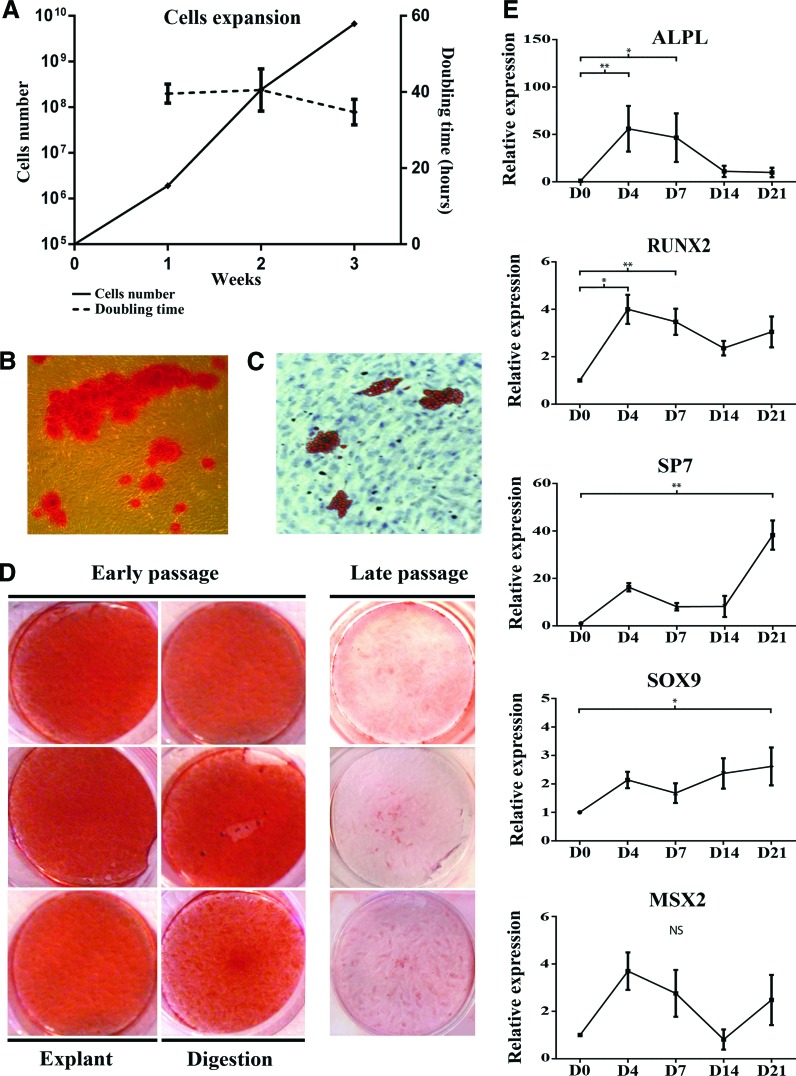
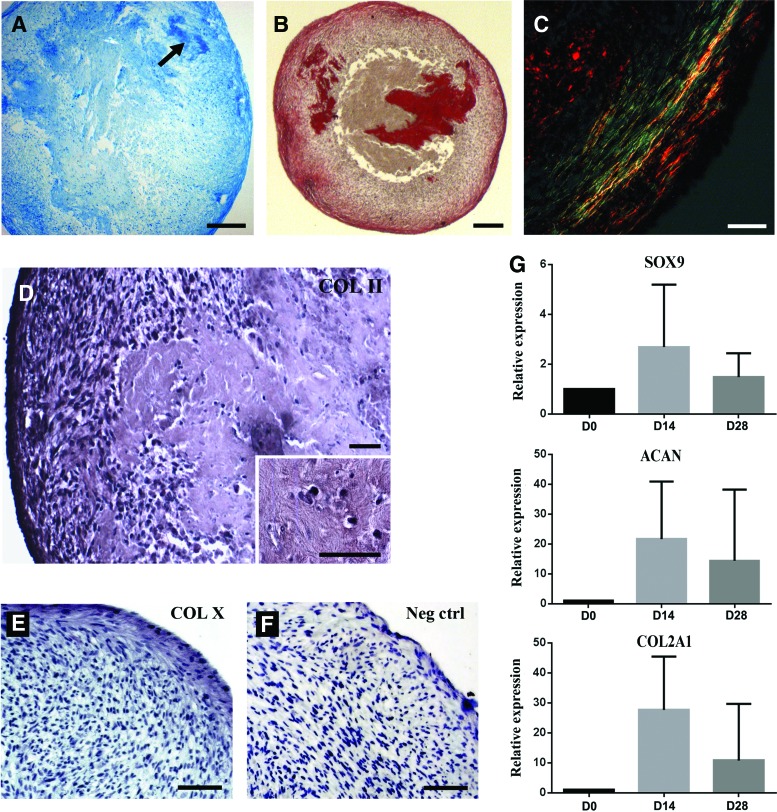
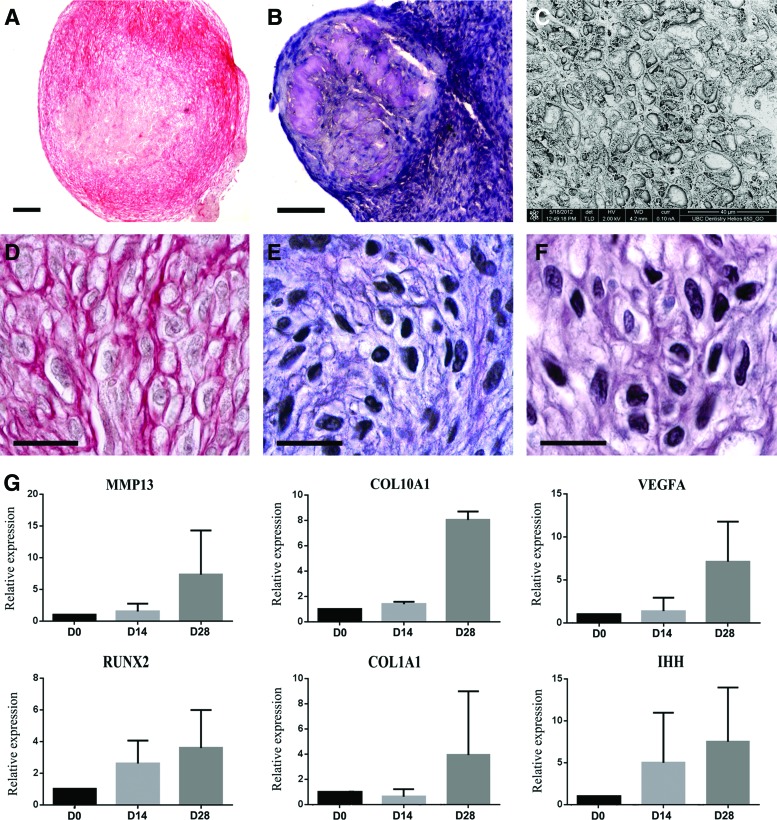
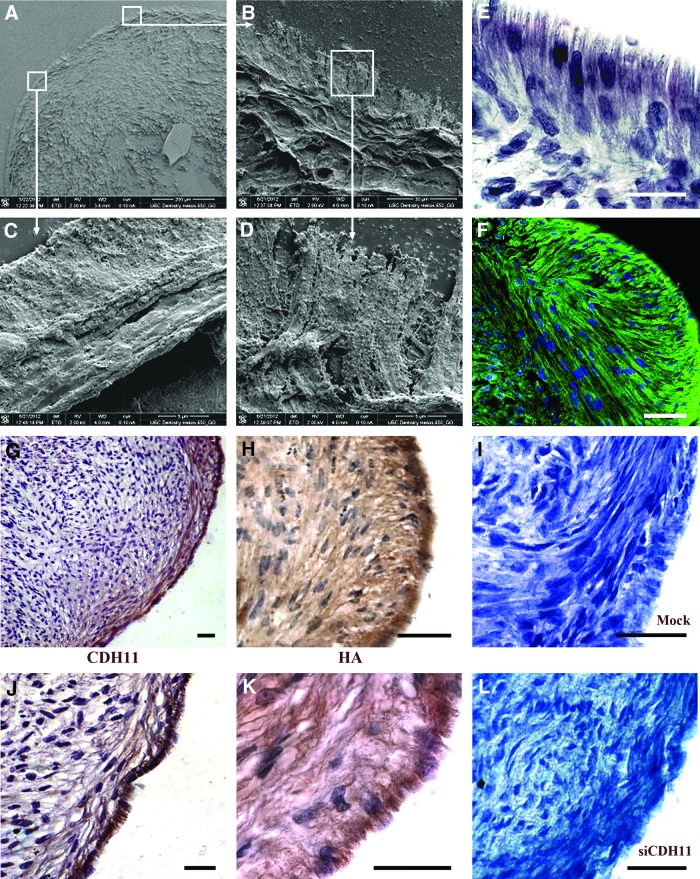
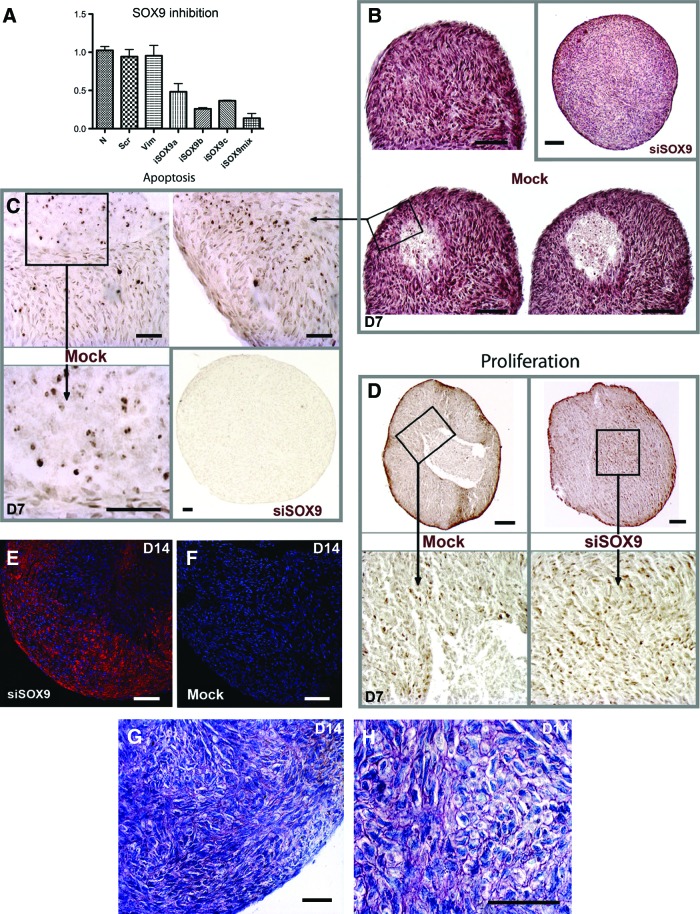
Human gingival stem cells (HGSCs) can be easily isolated and manipulated in culture to investigate their multipotency. Osteogenic differentiation of bone-marrow-derived mesenchymal stem/stromal cells has been well documented. HGSCs derive from neural crests, however, and their differentiation capacity has not been fully established. The aim of the present report was to investigate whether HGSCs can be induced to differentiate to osteoblasts and chondrocytes. HGSCs were cultured either in a classical monolayer culture or in three-dimensional floating micromass pellet cultures in specific differentiation media. HGSC differentiation to osteogenic and chondrogenic lineages was determined by protein and gene expression analyses, and also by specific staining of cells and tissue pellets. HGSCs cultured in osteogenic differentiation medium showed induction of Runx2, alkaline phosphatase (ALPL), and osterix expression, and subsequently formed mineralized nodules consistent with osteogenic differentiation. Interestingly, HGSC micromass cultures maintained in chondrogenic differentiation medium showed SOX9-dependent differentiation to both chondrocyte and synoviocyte lineages. Chondrocytes at different stages of differentiation were identified by gene expression profiles and by histochemical and immunohistochemical staining. In 3-week-old cultures, peripheral cells in the micromass cultures organized in layers of cuboidal cells with villous structures facing the medium. These cells were strongly positive for cadherin-11, a marker of synoviocytes. In summary, the findings indicate that HGSCs have the capacity to differentiate to osteogenic, chondrogenic, and synoviocyte lineages. Therefore, HGSCs could serve as an alternative source for stem cell therapies in regenerative medicine for patients with cartilage and joint destructions, such as observed in rheumatoid arthritis.
Figures
References
-
- Scotti C, Tonnarelli B, Papadimitropoulos A, Scherberich A, Schaeren S, Schauerte A, Lopez-Rios J, Zeller R, Barbero A. and Martin I. (2010). Recapitulation of endochondral bone formation using human adult mesenchymal stem cells as a paradigm for developmental engineering. Proc Natl Acad Sci U S A 107:7251–7256 - PMC - PubMed
-
- Ornitz DM. and Marie PJ. (2002). FGF signaling pathways in endochondral and intramembranous bone development and human genetic disease. Genes Dev 16:1446–1465 - PubMed
-
- Kronenberg HM. (2003). Developmental regulation of the growth plate. Nature 423:332–336 - PubMed
-
- Archer CW, Dowthwaite GP. and Francis-West P. (2003). Development of synovial joints. Birth Defects Res C Embryo Today 69:144–155 - PubMed
Publication types
MeSH terms
Substances
LinkOut - more resources
Full Text Sources
Other Literature Sources
Medical
Research Materials
Miscellaneous
