


Food-pics: an image database for experimental research on eating and appetite
- PMID: 25009514
- PMCID: PMC4067906
- DOI: 10.3389/fpsyg.2014.00617
Food-pics: an image database for experimental research on eating and appetite
Abstract
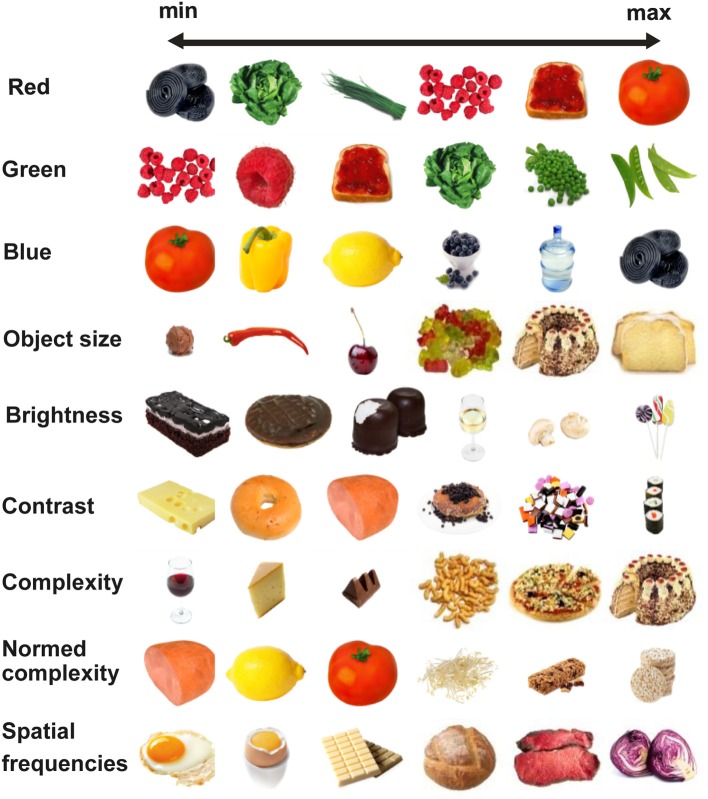
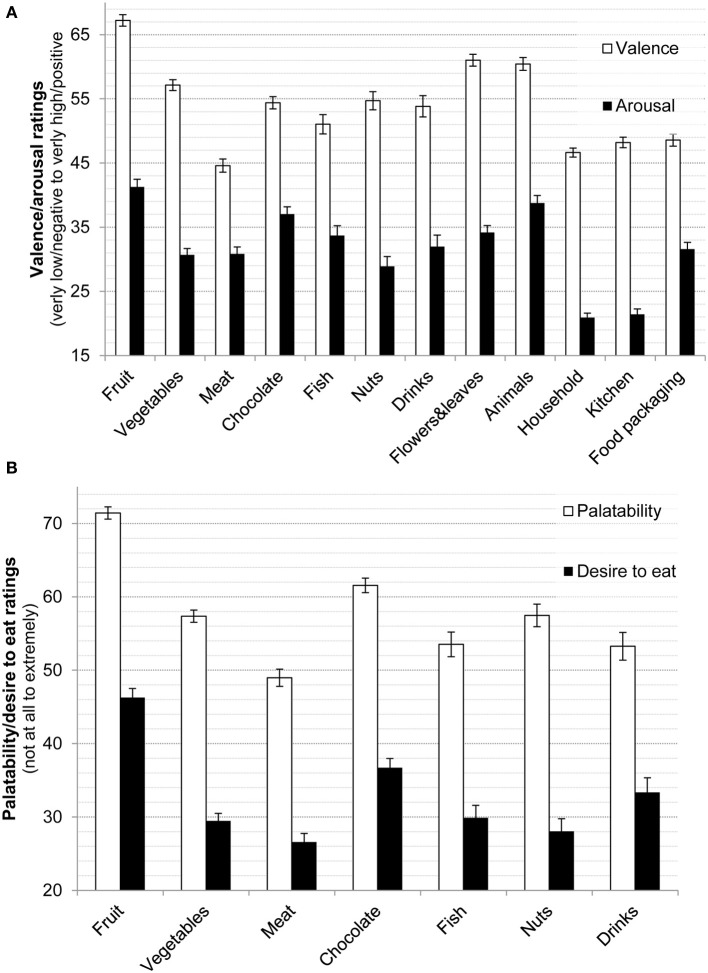
Our current environment is characterized by the omnipresence of food cues. The sight and smell of real foods, but also graphically depictions of appetizing foods, can guide our eating behavior, for example, by eliciting food craving and influencing food choice. The relevance of visual food cues on human information processing has been demonstrated by a growing body of studies employing food images across the disciplines of psychology, medicine, and neuroscience. However, currently used food image sets vary considerably across laboratories and image characteristics (contrast, brightness, etc.) and food composition (calories, macronutrients, etc.) are often unspecified. These factors might have contributed to some of the inconsistencies of this research. To remedy this, we developed food-pics, a picture database comprising 568 food images and 315 non-food images along with detailed meta-data. A total of N = 1988 individuals with large variance in age and weight from German speaking countries and North America provided normative ratings of valence, arousal, palatability, desire to eat, recognizability and visual complexity. Furthermore, data on macronutrients (g), energy density (kcal), and physical image characteristics (color composition, contrast, brightness, size, complexity) are provided. The food-pics image database is freely available under the creative commons license with the hope that the set will facilitate standardization and comparability across studies and advance experimental research on the determinants of eating behavior.
Keywords: ERP; eating behavior; fMRI; food pictures; food-cues; image properties; obesity; standardized food images.
Figures
References
LinkOut - more resources
Full Text Sources
Other Literature Sources
Medical
