


Characteristics of adults in the hepatitis B research network in North America reflect their country of origin and hepatitis B virus genotype
- PMID: 25010003
- PMCID: PMC4268271
- DOI: 10.1016/j.cgh.2014.06.028
Characteristics of adults in the hepatitis B research network in North America reflect their country of origin and hepatitis B virus genotype
Abstract
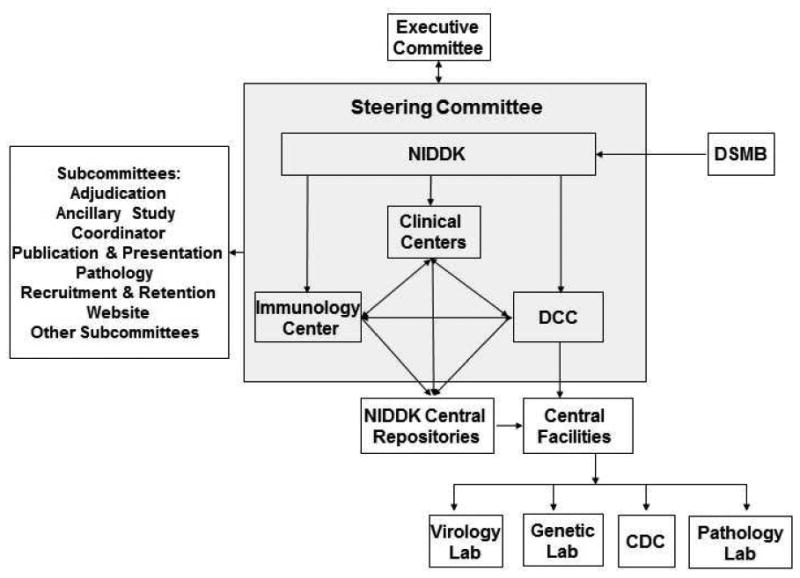
Background & aims: Chronic hepatitis B virus (HBV) infection is an important cause of cirrhosis and hepatocellular carcinoma worldwide; populations that migrate to the United States and Canada might be affected disproportionately. The Hepatitis B Research Network (HBRN) is a cooperative network of investigators from the United States and Canada, created to facilitate clinical, therapeutic, and translational research in adults and children with hepatitis B. We describe the structure of the network and baseline characteristics of adults with hepatitis B enrolled in the network.
Methods: The HBRN collected data on the clinical characteristics of 1625 adults with chronic HBV infection who are not receiving antiviral therapy from 21 clinical centers in North America.
Results: Half of the subjects in the HBRN are men, and the median age is 42 years; 72% are Asian, 15% are black, and 11% are white; with 82% born outside of North America. The most common HBV genotype was B (39%); 74% of subjects were negative for the hepatitis B e antigen. The median serum level of HBV DNA when the study began was 3.6 log10 IU/mL; 68% of male subjects and 67% of female subjects had alanine aminotransferase levels higher than the normal range.
Conclusions: The HBRN cohort is used to address important clinical and therapeutic questions for North Americans infected with chronic HBV and to guide health policies on HBV prevention and management in North America.
Keywords: ALT; Chronic Hepatitis B Virus Infection; HBeAg; USA.
Published by Elsevier Inc.
Conflict of interest statement
Drs. Ghany, Li, Belle, Terrault, Lau, and Ganova-Raeva report no potential conflict of interest relevant to this article.
Figures



References
-
- Lavanchy D. Worldwide epidemiology of HBV infection, disease burden, and vaccine prevention. J Clin Virol. 2005;34(Suppl 1):S1–3. - PubMed
-
- Perz JF, Armstrong GL, Farrington LA, Hutin YJ, Bell BP. The contributions of hepatitis B virus and hepatitis C virus infections to cirrhosis and primary liver cancer worldwide. J Hepatol. 2006;45:529–38. - PubMed
-
- Kowdley KV, Wang CC, Welch S, Roberts H, Brosgart CL. Prevalence of chronic hepatitis B among foreign-born persons living in the United States by country of origin. Hepatology. 2012;56:422–33. - PubMed
Publication types
MeSH terms
Grants and funding
- UL1 TR001111/TR/NCATS NIH HHS/United States
- P30 DK026743/DK/NIDDK NIH HHS/United States
- U01 DK082923/DK/NIDDK NIH HHS/United States
- UL1RR024986/RR/NCRR NIH HHS/United States
- DK082867/DK/NIDDK NIH HHS/United States
- DK082863/DK/NIDDK NIH HHS/United States
- M01-RR00040/RR/NCRR NIH HHS/United States
- ZIA DK054517/ImNIH/Intramural NIH HHS/United States
- DK082943/DK/NIDDK NIH HHS/United States
- UL1 TR000433/TR/NCATS NIH HHS/United States
- DK082871/DK/NIDDK NIH HHS/United States
- U01 DK082919/DK/NIDDK NIH HHS/United States
- U01 DK082927/DK/NIDDK NIH HHS/United States
- U01 DK082872/DK/NIDDK NIH HHS/United States
- U01 DK082943/DK/NIDDK NIH HHS/United States
- UL1TR001111/TR/NCATS NIH HHS/United States
- DK082866/DK/NIDDK NIH HHS/United States
- DK082919/DK/NIDDK NIH HHS/United States
- P30 DK050306/DK/NIDDK NIH HHS/United States
- P30 CA010815/CA/NCI NIH HHS/United States
- M01 RR000040/RR/NCRR NIH HHS/United States
- DK082864/DK/NIDDK NIH HHS/United States
- U01 DK082871/DK/NIDDK NIH HHS/United States
- U01 DK082944/DK/NIDDK NIH HHS/United States
- U01 DK082864/DK/NIDDK NIH HHS/United States
- DK082927/DK/NIDDK NIH HHS/United States
- UL1TR000058/TR/NCATS NIH HHS/United States
- P30DK50306/DK/NIDDK NIH HHS/United States
- U01 DK082867/DK/NIDDK NIH HHS/United States
- U01 DK082843/DK/NIDDK NIH HHS/United States
- U01 DK082863/DK/NIDDK NIH HHS/United States
- DK082874/DK/NIDDK NIH HHS/United States
- P30 DK034933/DK/NIDDK NIH HHS/United States
- DK082923/DK/NIDDK NIH HHS/United States
- Z01 DK054517/ImNIH/Intramural NIH HHS/United States
- UL1TR000004/TR/NCATS NIH HHS/United States
- U01 DK082874/DK/NIDDK NIH HHS/United States
- A-DK-3002-001/DK/NIDDK NIH HHS/United States
- DK 082843/DK/NIDDK NIH HHS/United States
- UL1 TR000004/TR/NCATS NIH HHS/United States
- U01 DK082866/DK/NIDDK NIH HHS/United States
- UL1 RR024986/RR/NCRR NIH HHS/United States
- U01DK082944/DK/NIDDK NIH HHS/United States
LinkOut - more resources
Full Text Sources
Other Literature Sources
