


When and how do seizures kill neurons, and is cell death relevant to epileptogenesis?
- PMID: 25012371
- PMCID: PMC4624106
- DOI: 10.1007/978-94-017-8914-1_9
When and how do seizures kill neurons, and is cell death relevant to epileptogenesis?
Abstract
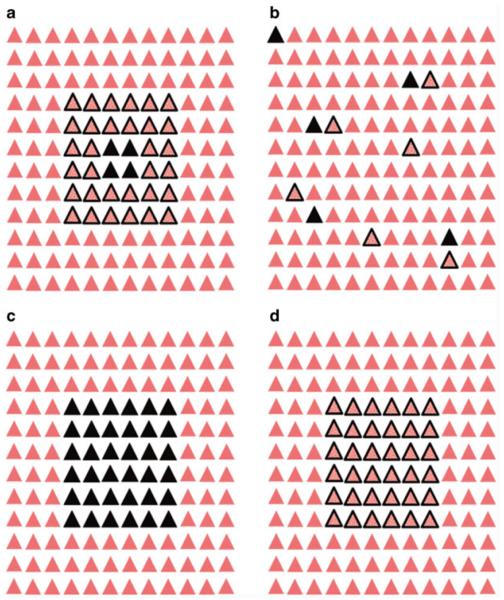
The effect of seizures on neuronal death and the role of seizure-induced neuronal death in acquired epileptogenesis have been debated for decades. Isolated brief seizures probably do not kill neurons; however, severe and repetitive seizures (i.e., status epilepticus) certainly do. Because status epilepticus both kills neurons and also leads to chronic epilepsy, neuronal death has been proposed to be an integral part of acquired epileptogenesis. Several studies, particularly in the immature brain, have suggested that neuronal death is not necessary for acquired epileptogenesis; however, the lack of neuronal death is difficult if not impossible to prove, and more recent studies have challenged this concept. Novel mechanisms of cell death, beyond the traditional concepts of necrosis and apoptosis, include autophagy, phagoptosis, necroptosis, and pyroptosis. The traditional proposal for why neuronal death may be necessary for epileptogenesis is based on the recapitulation of development hypothesis, where a loss of synaptic input from the dying neurons is considered a critical signal to induce axonal sprouting and synaptic-circuit reorganization. We propose a second hypothesis - the neuronal death pathway hypothesis, which states that the biochemical pathways causing programmed neurodegeneration, rather than neuronal death per se, are responsible for or contribute to epileptogenesis. The reprogramming of neuronal death pathways - if true - is proposed to derive from necroptosis or pyroptosis. The proposed new hypothesis may inform on why neuronal death seems closely linked to epileptogenesis, but may not always be.
Figures
References
-
- Bianchi ME. DAMPs, PAMPs and alarmins: all we need to know about danger. J Leukoc Biol. 2007;81:1–5. - PubMed
Publication types
MeSH terms
Grants and funding
- NS079135/NS/NINDS NIH HHS/United States
- NS058158/NS/NINDS NIH HHS/United States
- U01 NS058158/NS/NINDS NIH HHS/United States
- P20 NS080185/NS/NINDS NIH HHS/United States
- R01 NS086364/NS/NINDS NIH HHS/United States
- R21 NS079135/NS/NINDS NIH HHS/United States
- R21 NS074169/NS/NINDS NIH HHS/United States
- NS076775/NS/NINDS NIH HHS/United States
- NS086364/NS/NINDS NIH HHS/United States
- R01 NS079274/NS/NINDS NIH HHS/United States
- NS074169/NS/NINDS NIH HHS/United States
- NS079274/NS/NINDS NIH HHS/United States
- R01 NS076775/NS/NINDS NIH HHS/United States
LinkOut - more resources
Full Text Sources
Other Literature Sources
Medical
