


Patient-Reported Outcomes Measurement Information System (PROMIS): efficient, standardized tools to measure self-reported health and quality of life
- PMID: 25015409
- PMCID: PMC4179871
- DOI: 10.1016/j.outlook.2014.05.009
Patient-Reported Outcomes Measurement Information System (PROMIS): efficient, standardized tools to measure self-reported health and quality of life
Abstract
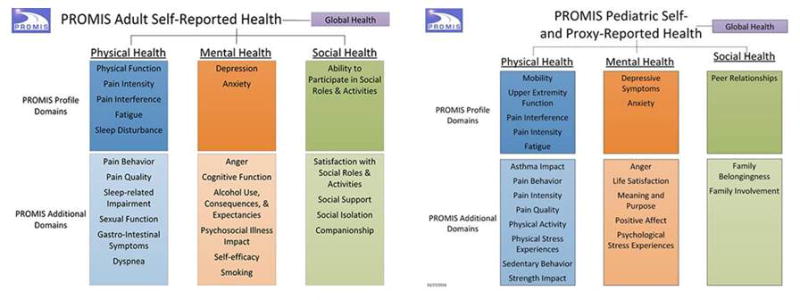
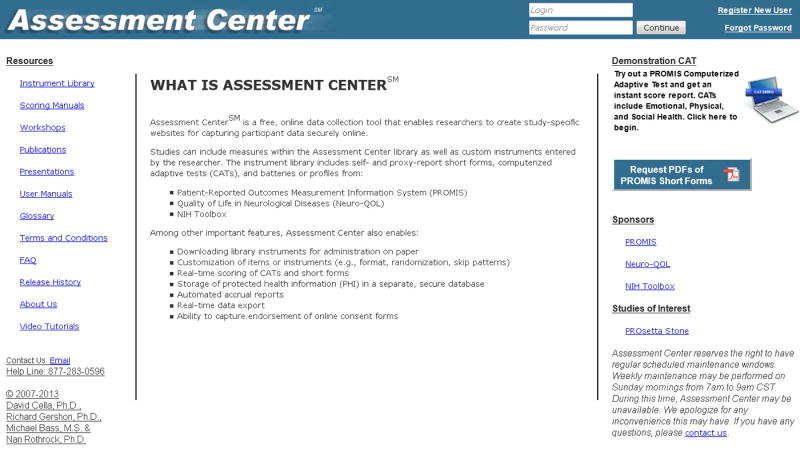
All nurses are interested in the effects of diseases and treatments on individuals. Patient-reported outcome (PRO) measures are used to obtain self-reported information about symptoms, function, perceptions, and experiences. However, there are challenges to their use, including multiple measures of the same concept, widely varying quality, excessive length and complexity, and difficulty comparing findings across studies and conditions. To address these challenges, the National Institutes of Health funded the Patient-Reported Outcomes Measurement Information System (PROMIS), a web-based repository of valid and reliable PRO measures of health concepts relevant to clinician and researchers. Through the PROMIS Assessment Center, clinicians and researchers can access PRO measures, administer computerized adaptive tests, collect self-report data, and report instant health assessments. The purpose of this article was to summarize the development and validation of the PROMIS measures and to describe its current functionality as it relates to nursing science.
Keywords: Item response theory; Measurements; Patient-centered outcomes; Web-based data collection.
Published by Elsevier Inc.
References
-
- Acquadro C, Berzon R, Dubois D, Leidy NK, Marquis P, Revicki D, et al. Incorporating the patient’s perspective into drug development and communication: An ad hoc task force report of the patient-reported outcomes (PRO) harmonization group meeting at the Food and Drug Administration, February 16, 2001. Value in Health. 2003;6(5):522–531. - PubMed
-
- Basch E, Abernethy AP, Mullins CD, Reeve BB, Smith ML, Coons SJ, et al. Recommendations for Incorporating Patient-Reported Outcomes Into Clinical Comparative Effectiveness Research in Adult Oncology. Journal of Clinical Oncology. 2012;30(34):4249–4255. - PubMed
-
- Beck CT, Gable RK. Item response theory in affective instrument development: an illustration. Journal of Nursing Measurement. 2001;9(1):5–22. - PubMed
-
- Bjorner JB, Rose M, Gandek B, Stone AA, Junghaenel DU, Ware JE., Jr Difference in method of administration did not significantly impact item response: an IRT-based analysis from the Patient-Reported Outcomes Measurement Information System (PROMIS) initiative. Quality of Life Research 2013 - PMC - PubMed
Publication types
MeSH terms
Grants and funding
LinkOut - more resources
Full Text Sources
Other Literature Sources
