


Pathogenesis of chronic hyperglycemia: from reductive stress to oxidative stress
- PMID: 25019091
- PMCID: PMC4082845
- DOI: 10.1155/2014/137919
Pathogenesis of chronic hyperglycemia: from reductive stress to oxidative stress
Abstract
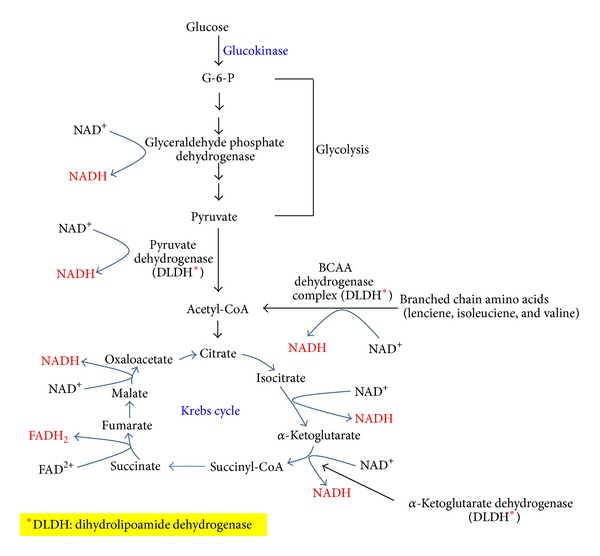
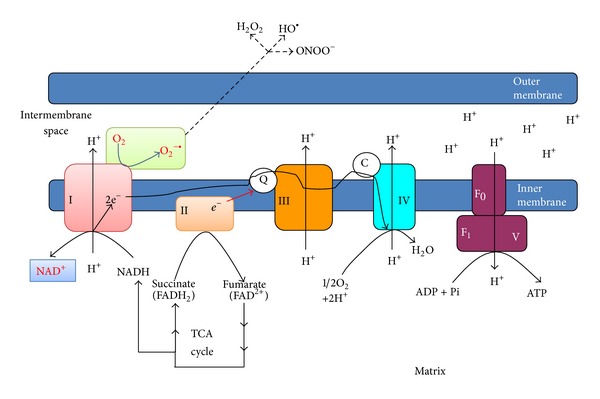
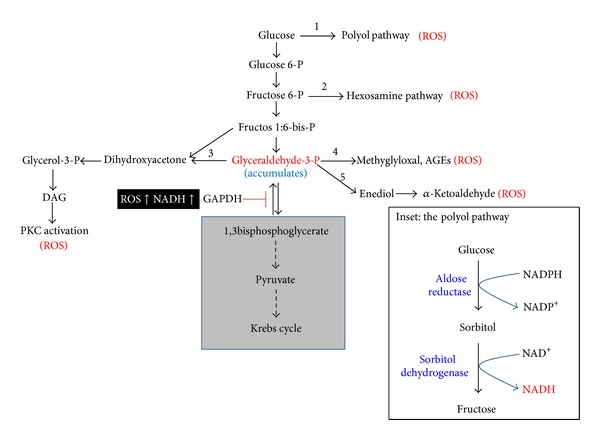
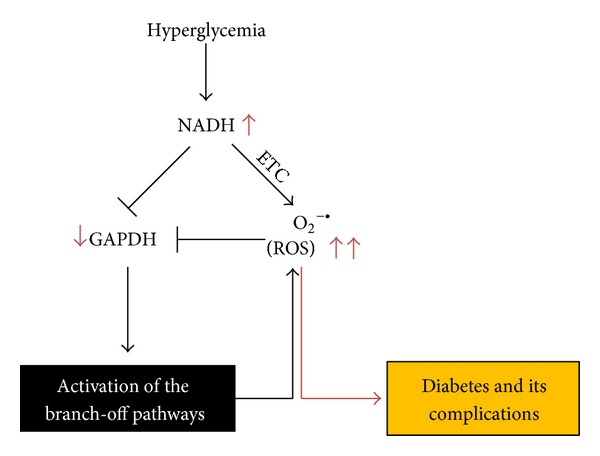
Chronic overnutrition creates chronic hyperglycemia that can gradually induce insulin resistance and insulin secretion impairment. These disorders, if not intervened, will eventually be followed by appearance of frank diabetes. The mechanisms of this chronic pathogenic process are complex but have been suggested to involve production of reactive oxygen species (ROS) and oxidative stress. In this review, I highlight evidence that reductive stress imposed by overflux of NADH through the mitochondrial electron transport chain is the source of oxidative stress, which is based on establishments that more NADH recycling by mitochondrial complex I leads to more electron leakage and thus more ROS production. The elevated levels of both NADH and ROS can inhibit and inactivate glyceraldehyde 3-phosphate dehydrogenase (GAPDH), respectively, resulting in blockage of the glycolytic pathway and accumulation of glycerol 3-phospate and its prior metabolites along the pathway. This accumulation then initiates all those alternative glucose metabolic pathways such as the polyol pathway and the advanced glycation pathways that otherwise are minor and insignificant under euglycemic conditions. Importantly, all these alternative pathways lead to ROS production, thus aggravating cellular oxidative stress. Therefore, reductive stress followed by oxidative stress comprises a major mechanism of hyperglycemia-induced metabolic syndrome.
Figures
References
-
- Gupta D, Krueger CB, Lastra G. Over-nutrition, obesity and insulin resistance in the development of β-cell dysfunction. Current Diabetes Reviews. 2012;8(2):76–83. - PubMed
-
- DeFronzo RA. Insulin resistance: a multifaceted syndrome responsible for NIDDM, obesity, hypertension, dyslipidaemia and atherosclerosis. Netherlands Journal of Medicine. 1997;50(5):191–197. - PubMed
-
- Tuch B, Dunlop M, Proietto J. Diabetes Research: A Guide for Postgraduates. Harwood Academic Publishers; 2000.
Publication types
MeSH terms
Substances
Grants and funding
LinkOut - more resources
Full Text Sources
Other Literature Sources
Medical
Research Materials
